Balance, maturity and regional identity define this year's standout sake styles
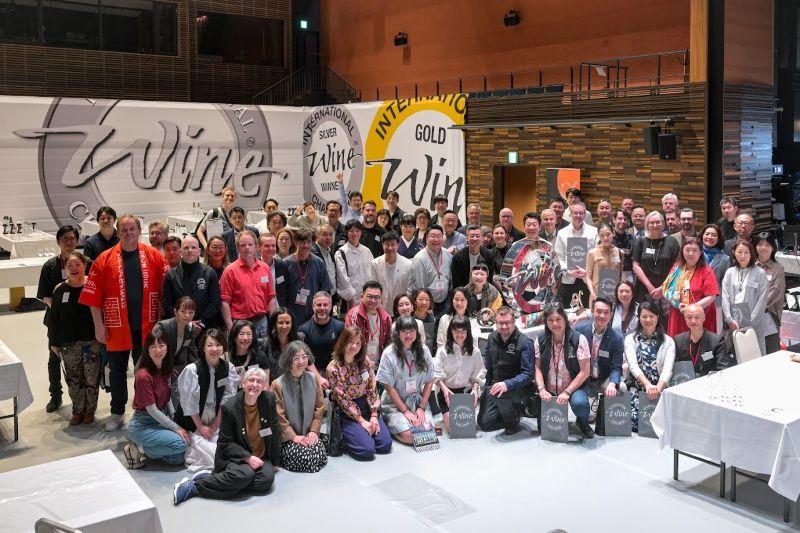
The International Wine Challenge Sake competition continues to cement its position as one of the world's most influential benchmarks for premium sake, with the 2026 results revealing a category that is increasingly diverse, internationally ambitious and stylistically confident.
While highly polished premium styles continue to dominate the top end of the competition, this year's judging also highlighted the growing success of mature, savoury and gastronomic expressions, alongside increasingly sophisticated sparkling and infused styles designed for a broader global audience.
What emerged most clearly from IWC Sake 2026 was a move toward balance, texture and identity. Across categories, judges consistently rewarded sakes that combined technical precision with drinkability, regional expression and a clear sense of style.
Junmai Daiginjo Continues to Define Premium Sake
As expected, Junmai Daiginjo remained the competition's dominant category by volume, accounting for close to a third of all entries and producing the largest share of Gold medals awarded at IWC Sake 2026.
These highly polished styles, known for their aromatic finesse, purity and silky texture, continue to set the benchmark for luxury sake internationally.
Among the standout Trophy-winning examples was ZAKU Kaizan Ittekisui from Shimizu sizaburo Shoten Ltd,winner of the Mie Junmai Daiginjo Trophy. Judges praised the sake's inviting aroma and layered notes of apple, clove, custard bun and strawberries with elegant and creamy texture.
Another standout was Raifuku Daiginjo Shizuku from Raifuku Sake Brewing Co. Ltd, a Daiginjo Trophy winner that highlighted the category's continuing evolution.
Junmai Ginjo & Junmai Reveal the Depth of Modern Sake
If Junmai Daiginjo represents the pinnacle, then Junmai Ginjo and Junmai remain the backbone of modern premium sake.
Together, the categories delivered a substantial share of the competition's Gold medals and Trophy winners, reinforcing the growing importance of gastronomic, food-oriented styles.
Among the standout examples was Rihachi Junmai Ginjo Sake Yeast No. 1801, 2025/2026 from Tanabe Takeshita Brewery, winner of the Shimane Junmai Ginjo Trophy. Judges responded to its freshness, purity and finely tuned balance.
Meanwhile, Kokushu Iyahiko Junmai Ginjo from Yahiko Shuzo Co. Ltd. demonstrated the clean, mineral-driven precision increasingly associated with top-performing Niigata producers.
Many of the strongest Junmai styles this year combined savoury umami depth with remarkable drinkability and versatility at the table — increasingly important as sake becomes more embedded within international restaurant culture.
The Trophy results also highlighted growing appreciation for fresher, more vibrant styles such as Nama sake. Among the stand out examples was Haneya Diamond Omachi 2024/2025 from Fumigiku Sake Brewery Co Ltd winner of the Nama Trophy, which combined freshness, texture and remarkable precision with an energetic, food friendly style.
Aged & Koshu Sake Emerged as the Story of the Year
Perhaps the defining trend of IWC Sake 2026 was the remarkable performance of mature styles.
Although accounting for only a relatively small proportion of total entries, Koshu and Aged Sake categories preformed exceptionally strongly relative to their size.
These styles are often characterised by nuttiness, spice, caramelised depth, umami richness and oxidative complexity.
Among the standout Trophy-winning examples was Junmai Daiginjo Zankyo Super7 2019/2020 from Niizawa Sake Brewery Co., Ltd, winner of the Miyagi Aged Sake Trophy. The wine combined extraordinary concentration with freshness and lift, showing how mature sake can achieve both power and elegance.
Judges increasingly responded to wines showing sherry- and whisky-like savoury depth rather than simple aromatic power, reflecting broader global drinks trends toward maturity, complexity and food pairing versatility.
Aged sake is no longer a niche category within the competition; it is rapidly becoming one of sake's most exciting premium sectors.
Sparkling Sake Continues to Mature
Sparkling sake again showed strong momentum, both in medal performance and Trophy recognition.
The category increasingly reflects a finer mousse, drier balance, greater precision, and gastronomic structure rather than novelty-driven sweetness.
Among the standout examples was Kaika Awa Sake 2024/2025 from Daiichi Sake Brewery Co.,Ltd., winner of the Tochigi Sparkling Trophy, which impressed judges with its freshness, elegance and refined texture.
Another notable performer was Born: Premium Sparkling from Katoukichibee Shouten, which showed Loquat crème fraîche lemon sour nose with fine mousse, with yogurt-lassi richness on palate and a saline, refreshing finish. The sake demonstrated just how sophisticated sparkling styles are becoming.
Several judges noted that the category is rapidly evolving from novelty into one of sake's most internationally adaptable styles.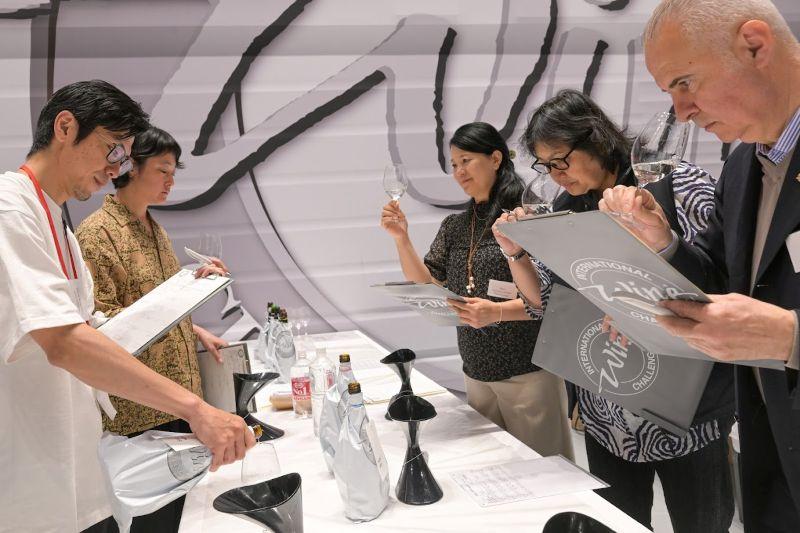
Traditional Categories Continue to Deliver Outstanding Quality
While premium Daiginjo styles often dominate headlines, the results also reinforced the enduring strength of more traditional categories such as Honjozo and Futsu-Shu.
These styles delivered impressive Gold conversion rates and several Trophy-winning examples despite significantly lower entry numbers than the premium aromatic categories.
Among the standout Trophy winners was Kimagure Dragon Kijoshu 2025/2026 from Mitsutake Shuzojo Co., Ltd, a richly textured, sweet-savory style winning Saga Futsu-shu Trophy, that highlighted the extraordinary diversity now present within the sake category.
The trophy winners also highlighted the extraordinary stylistic breadth of modern sake, spanning pristine Junmai Daiginjo, vibrant Nama styles, oxidative Koshu, sparkling sake, Kijoshu and citrus-infused expressions.
Fruit-Infused Styles Reflect Innovation & Market Expansion
The continued growth of Fruit Infused Style (FIS) entries highlights sake's expanding global identity and versatility. This IWC introduced the category this year in response to the growing popularity and quality of infused sake styles.
These styles, often incorporating yuzu, plum or citrus elements, increasingly target younger consumers, cocktail culture, export markets and casual drinking occasions.
Several high-performing infused styles demonstrated growing technical sophistication, particularly around sweetness balance and acidity management.
Among the standout examples was Watashi no Yuzushu 0/1 fromFujimasa Shuzo Co. Ltd., winner of the Shizouka Yuzu Trophy, whose vivid whole-yuzu character, freshness and zesty acidity demonstrated the increasing sophistication now emerging within infused categories.
While stylistically distinct from traditional premium sake, the category reflects sake's widening international appeal and adaptability.
Regional Identity Becomes Increasingly Important
One of the strongest themes across the 2026 results was the growing importance of regional identity.
Producers from Mie, Niigata, Fukui, Miyagi, Shizuoka, Tochigi, Shimane and Saga repeatedly appeared among thetop-performing entries and Trophy winners, highlighting the depth and regional diversity of modern sake production.
Niigata again impressed with cleaner, mineral-driven styles, while Fukui producers performed strongly across both traditional and sparkling categories.
Meanwhile, Mie reinforced its growing reputation as one of Japan's most exciting modern sake regions, particularly in premium Junmai Daiginjo production.
Producers Who Performed Particularly Strongly
Several breweries repeatedly appeared among the competition's highest-performing medal and Trophy winners.
Notable names included:
● Shimizu Seizaburo Shoten
● Raifuku Sake Brewing Co. Ltd
● Katoukichibee Shouten
● Niizawa Sake Brewery Co. Ltd
● Yahiko Shuzo Co. Ltd
Particularly striking this year was how many leading breweries succeeded not through a single flagship sake, but across broad portfolios and multiple styles: highlighting the increasing depth and technical sophistication of Japan's top producers.
The IWC Sake 2026 results suggest a category entering a new phase of maturity internationally.
The competition's strongest-performing sakes increasingly combined precision, regional character, gastronomic versatility, savoury complexity, texture and balance rather than relying solely on aromatic intensity or technical polish.
For sommeliers, buyers and consumers alike, sake is no longer defined by a single style. The 2026 results show a category broadening in confidence, from pristine Junmai Daiginjo to oxidative Koshu, elegant sparkling styles and innovative infused expressions — while remaining deeply rooted in regional creativity and brewing identity.
See Results

Get expert insights, weekly highlights, and exclusive stories from the world's most trusted wine competition.