


- James Lawrence
- 2026-05-19


As the UK market grapples with declining per-capita consumption, moderation trends and inflationary pressures, private label wines have proven remarkably resilient. According to NIQ data cited by The Grocer, own-label still wine added more than £260 million in value sales during 2024, with volumes rising 6.9% despite persistent pressure on household spending. Branded wines, by contrast, continue to struggle with falling volumes across much of the market; Nielsen and Kantar data show that private label already accounted for over a third of UK still wine sales by the mid-2010s.
Yet the modern story of private label wines is not just about resilience or value positioning. What was once derided as anonymous supermarket filler has evolved: premium retailer-owned ranges are increasingly built around exclusivity, provenance, segmentation and lifestyle branding, typified by Marks & Spencer's introduction of the very successful "Found" range in April 2021. The collection included Georgian Saperavi and Feteasca Alba from Romania – a milestone in demonstrating how multiples can play an active role in shaping customer trust and discovery. Increasingly, retailers are not merely selling wine – they are becoming wine brands in their own right, reshaping the balance of power between producers and retailers in the process.
When retailers become brands
Earlier this month, luxury retailer Fortnum & Mason unveiled a major redesign of its own-label wine portfolio, splitting the range into two distinct tiers: Piccadilly House and Fortnum's Collection. The move was emblematic of the role private label increasingly plays in the trade – less a mechanism for price competition than a sophisticated branding exercise.
"I wanted the range to feel more relevant to more people. We already had a large own-label offer, but it wasn't that easy to shop," explains senior buyer Edwina Watson.
She continues: "The clearer labelling and positioning now help guide people through the range. Piccadilly House focuses on variety, flavour and discovery; it's designed to be accessible and engaging. Fortnum's Collection showcases classic fine wine regions and the producers we work with. Together, they create a balanced structure that allows customers to trade up or explore, depending on the moment."
Historically, private label wines existed primarily to generate margin, price competitiveness and, of course, volume. But Watson emphasises that the category is now ideally positioned to take advantage of a key cultural shift, as consumer priorities pivot towards trust, occasion, and brand aesthetics.
"Producer reputation and appellation remain fundamental, particularly for more knowledgeable customers. However, it's clear that in today's market, aesthetics and brand identity are playing a much bigger role in how people discover and engage with wine, even at the premium end," she says.
"The new two-tier strategy allows us to retain our premium positioning while presenting the range in a way that's more engaging, much like we do across other Fortnum's categories, such as biscuits and coffee."
Pandemic acceleration
According to Nick Larsson-Bell, senior buyer at Harvey Nichols, direct price comparisons across the private label segment intensified greatly during the pandemic, as retailers fought tooth and nail to retain customer loyalty and provide real points of differentiation.
"Five years ago, own-label was absolutely vitally important for our hampers and online retail side of the business, as it offered us a chance of differentiation and allowed us to stock high-quality lines that couldn't be bought elsewhere. Now we have moved back to focus on these own-label offerings being a core component of our on-trade sales," he reveals.
Indeed, retailer-owned ranges are no longer confined to supermarket shelves; they are increasingly being integrated into hospitality environments, gifting and experiential luxury. Stigma, certainly at the premium end, appears to be a thing of the past.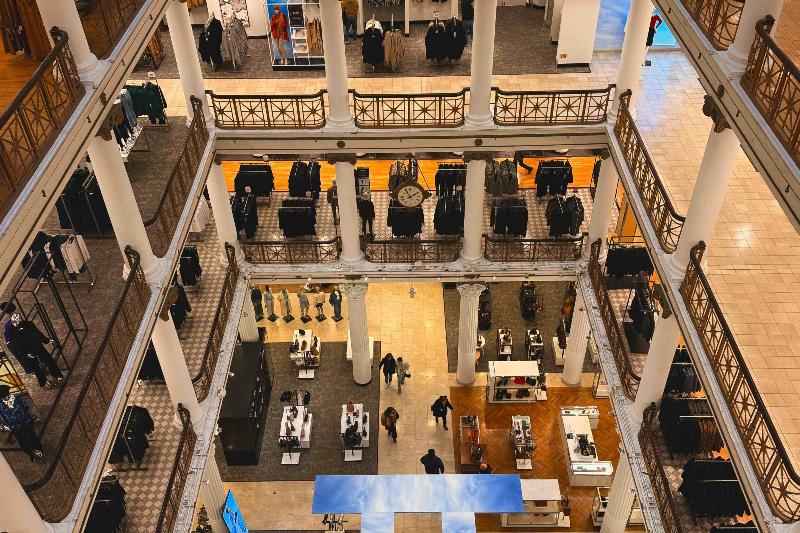
Champagne offers a clear illustration of this changing dynamic. Traditionally one of the most brand-loyal categories in wine, it is now providing fertile ground for premium own-label success.
"The majority of Champagne that we sell within Harvey Nichols is our own label brand, which is £35 for a 75cl bottle. This naturally makes it a very attractive option when looking across the price variety we have within the category," notes Larsson-Bell.
Beyond price
Meanwhile, major retailers such as Tesco remain committed to offering a broad selection of own-label SKUs, not least because they perform an important navigational role within the wider wine category.
"We know that some customers find the wine fixture tricky to navigate with confidence, and the signposts that the brands offer are a very useful tool in terms of adding clarity to the shopping mission," says Graham Nash, product development manager at Tesco.
"What we have noticed from customers over the years is the trust that they hold for the Finest range, and that reassures us that we can continue to innovate and continue to provide lesser-known wines for the more adventurous wine consumer." At the same time, supermarket private label has matured: Tesco's Finest range now stretches from £7.75 to £32 per bottle, encompassing everything from silky Rioja to Assyrtiko and spicy Nero d'Avola.
"Customers have always sought value in their wine purchases and with category inflation, due to duty and sustainability taxes, the promise of the right quality at the right price has never been more important," observes Nash. In terms of future innovation in the segment, Nash predicts exploration into the lesser-known countries (from a wine perspective) and varieties - "areas such as Greece and England, alongside other areas in Europe, can expect to gain more share as they become more known."
He adds: "The other area ripe for innovation will be in packaging and design, and the continued lightweighting of the traditional bottle as well as exploration into other formats."
Today, while own-label still wines remain cheaper per litre than branded equivalents on average, the category has become more nuanced and sophisticated, with marketing cues centred on provenance and emotional branding – both largely absent from the category two decades ago. Fortnum & Mason's Camel Valley 'English Coastal White', for example, reflects a growing emphasis on provenance-led partnerships rather than anonymous sourcing.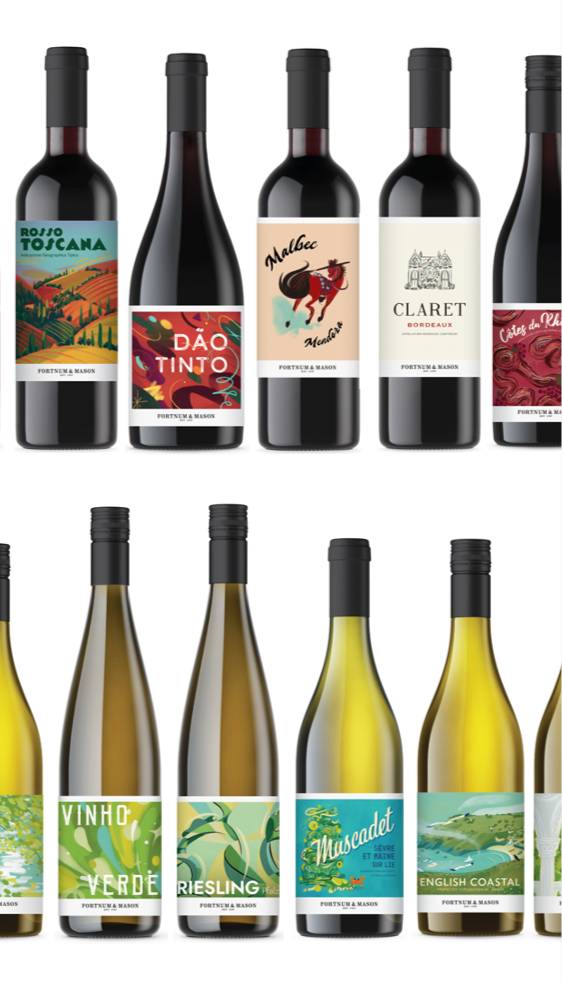
"We have plans for more exclusive bottlings and collaborations, as we know they appeal to both knowledgeable wine customers and to those who simply want to try something new," says Watson.
"Exclusivity, provenance and storytelling are vital in this market, as they give customers a reason to choose you, and help build a stronger connection to the wines themselves."
Twenty-five years ago, private label largely represented a high-volume race to the bottom: a concoction of aggressive discounting and bulk sourcing. In 2026, with the right branding and positioning, they have the potential to become some of a retailer's most valuable and sophisticated strategic assets.


.png)