

- Christy Canterbury MW
- 2026-05-19


"The winds and waves are always on the side of the ablest navigators." - Edward Gibbon, historical scholar
For many years in export markets, there was a noticeable gap between Spain's simple, easy-drinking whites and its more serious, oak-aged styles. Then, in the early 2000s, came the Albariño wave, followed by Godello. Around the same time, Verdejo became increasingly common on retail shelves. A little later, among a smaller circle of wine enthusiasts, Txakoli's Hondarrabi Zuri began attracting devoted followers (after all, only around 1,000 hectares are planted). Since then, attention has also turned to Garnacha Blanca from Terra Alta - a variety better known in red form elsewhere - as well as dry, still Xarel-lo from Penedès and Palomino from Jerez, grapes more traditionally associated with sparkling and fortified wines respectively.
Spain, of course, has long been known for charting new waters, and the country's winemakers continue to develop distinctive white wines from under-the-radar varieties and introduce them to the wider world.
My latest journey into Spain's newest white wine frontier began three years ago, when I fell head over heels for a wine made from Pansa Blanca, a grape variety I had never encountered before. The producer was Can Matons in the Alella PDO - Spain's smallest PDO and one of its oldest. In fact, only Jerez predates it.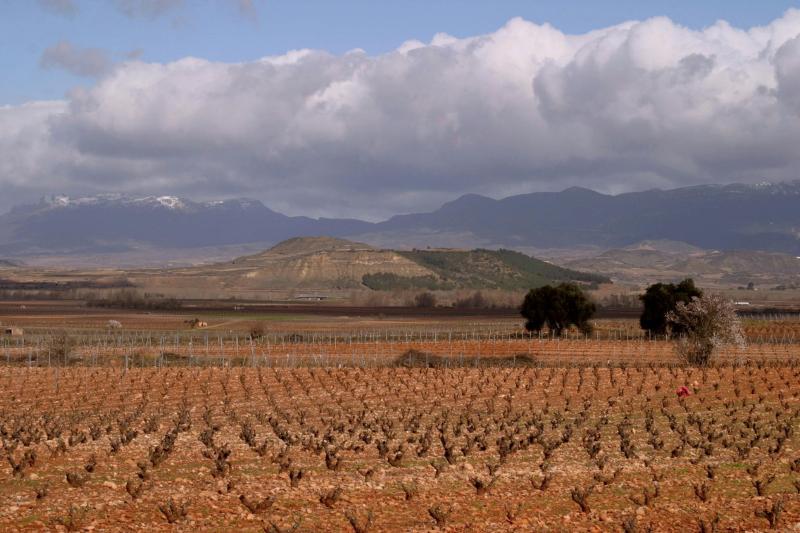
From there, the quest continued. These grapes are creating fresh excitement in Spanish white wine and are well worth discovering.
Pansa Blanca
Pansa Blanca is grown exclusively in Alella, in Catalonia, in north-eastern Spain. According to Marta Bericat, oenologist at Can Matons and an Alella native, the vineyard area in the region has been shrinking since industrialisation and continues to decline due to urban expansion. Today, just six wineries produce around 15,000 nine-litre cases annually from 200 hectares, with Can Matons farming 70 hectares of that total.
Technically, Pansa Blanca is genetically identical to Xarel-lo, and the two appear the same in the vineyard. However, Bruno Colomer, head winemaker for Codorníu, says Alella's expression is entirely distinctive. Old vines play an important role here, many of them well over a century old. Pansa Blanca tends to produce larger berries with thicker skins than Xarel-lo grown elsewhere. The region's steep slopes and well-drained sandy granite soils are crucial, helping prevent the grapes from swelling excessively. Even so, in these poor soils, the grape must be monitored carefully, as it can lose acidity rapidly.
The wines are intensely citrus-driven, with a calming saline character. Still styles range from taut and bone dry to more rounded expressions shaped by lees ageing. Sparkling versions also reflect Alella's hallmark salinity alongside delicate white fruit notes.
Albillo - Three Distinct Expressions
Spain's three Albillo varieties are compelling and genetically distinct.
Albillo Mayor, the parent of Tempranillo, originates from Ribera del Duero. Vicente Pliego, co-founder of Pinea, said, "You have to be patient to create Albillo [Mayor]. Albillo is so new that it is hard to know what to expect when you make the wines." The grape was only authorised for use in Ribera del Duero in 2019. Pinea ferments the wine in barrel and blends two vintages; their Korde white combines 2023 and 2024. Historically, and elsewhere, Albillo was often low in acidity and used mainly for blending. Yet when Albillo Mayor is cultivated as the focal point, it can display impressive freshness alongside flavours of crushed stone, yellow plum and earthy nuances..jpg)
Albillo Real is even more aromatic than Albillo Mayor. Like its counterparts, it may also be used as a table grape. At La Cendra in Cebreros, in the Sierra de Gredos, bush vines planted in 1910 grow in decomposed granite soils at an altitude of 1,100 metres. This singular setting, combined with some skin contact early in fermentation under the guidance of oenologist José Hidalgo, allows owner Félix Bellido to craft wines of remarkable character. White fruit, honeydew melon, and fresh floral and herbal notes combine with an elegantly creamy mid-palate.
A third Albillo, Albilla de Manchuela - also known as Albillo de Albacete - is produced by Juan Antonio Ponce in Manchuela. Like the other unrelated Albillos, it offers generous texture, though with even greater acidity and vibrancy. Of the three, this is undoubtedly the rarest.
Maturana Blanca
Maturana Blanca holds the distinction of being the first grape variety ever documented in Rioja, where it remains exclusively grown, dating back to 1622. (There is also a Maturana Tinta, though Blanca is not a mutation of it; the Tinta is in fact Trousseau.) Interest in the variety faded long ago, but a handful of producers are now reviving it.
The first example I tasted was with Mayte Calvo de la Banda, winemaker at Bodegas Bilbainas. According to Mayte, there are now just over 60 hectares of Maturana Blanca planted - a significant increase from the three hectares officially registered in 2008. Even so, she estimates that only around half a dozen producers work with the variety, largely because yields are exceptionally small. She produced only 3,000 bottles of the Viña Pomal 2018 that we tasted together.
Maturana Blanca also appears in blends with Viura, Garnacha Blanca and other varieties. Its aromas of ripe citrus - mandarin and clementine - together with white flowers bring aromatic lift and complexity..jpg)
Tardana
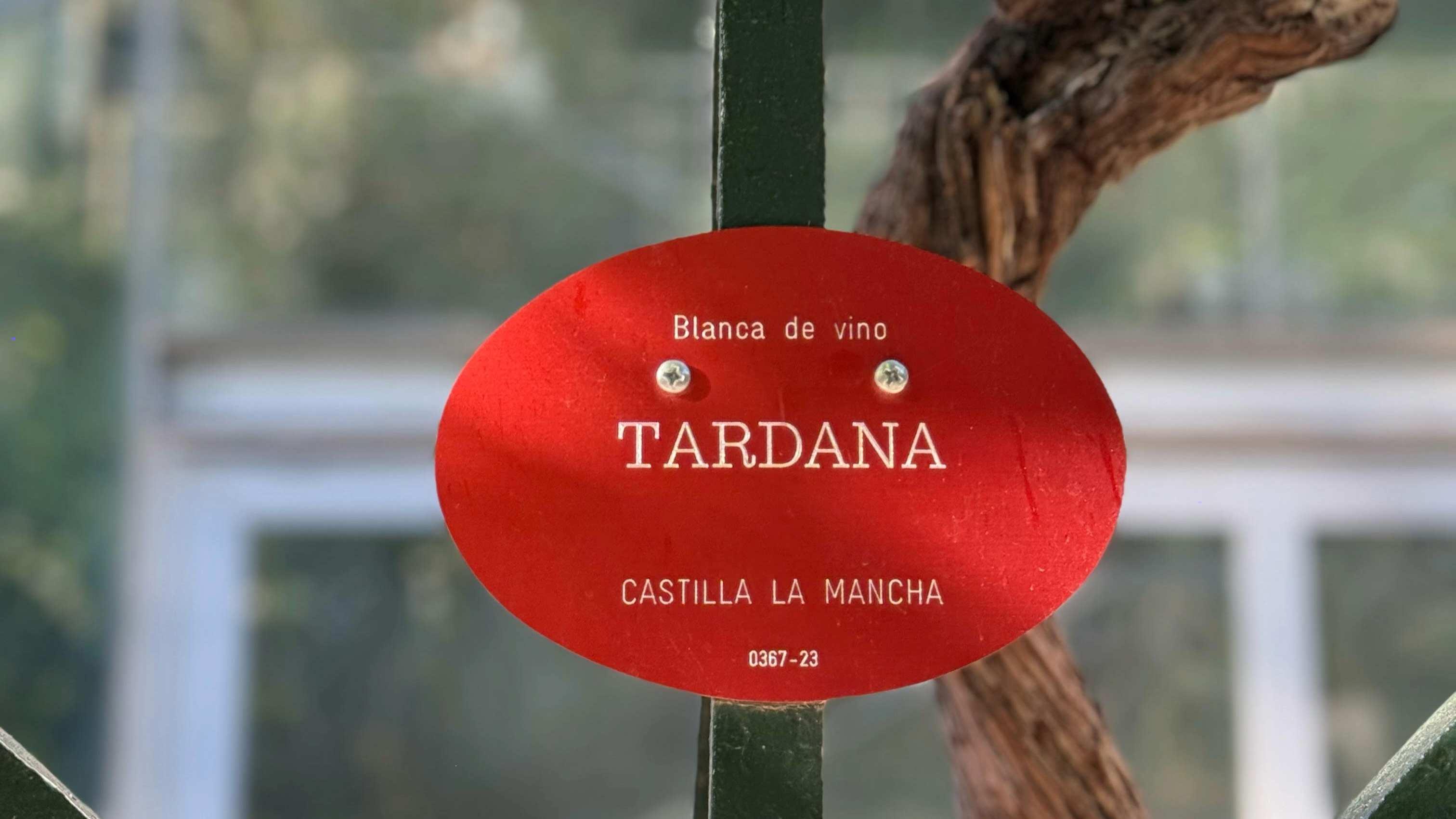
Last autumn, while exploring Madrid's Real Jardín Botánico, I came across Tardana - a grape historically cultivated in western Valencia both for eating and winemaking. A long walkway in the gardens is dedicated to Spanish grape varieties. Back in New York, I later had the chance to taste a Tardana from Vera de Estenas in Utiel-Requeña.
True to its name ("tarde" meaning "late" in Spanish), this rare variety, typically grown as bush vines, ripens very late. According to Félix Martínez Roda, winemaker at Vera de Estenas, Tardana once ripened in November, though over the past decade, harvest dates have shifted forward into October. Even so, thanks in part to cool nights and elevations exceeding 700 metres in Valencia, the grape typically reaches only around 11% abv.
Tardana is vividly aromatic, showing notes of "pear, green apple, pineapple and lemon", according to Félix. "It's refreshing and easy-drinking, instantly making you want another glass." The grape is also highly adaptable in the cellar, so Félix uses clay amphorae to soften its exuberant freshness and build additional complexity.
Tempranillo Blanco
Javier Bañales, General Manager of Rioja's Martínez Lacuesta, explains: "Tempranillo Blanco is a Tempranillo mutation that was discovered in 1988. We planted it here in 2002 with a single clone." There are now around 700 hectares planted across Rioja, a rapid expansion even within a region totalling 66,000 hectares overall.
Martínez Lacuesta aims to produce a wine showing green and yellow fruits alongside gentle herbal tones. Indeed, the wine I tasted was sweet-and-sour in profile, with tangy acidity and flavours of lemon thyme and lime zest. There is perhaps a slight resemblance to Sauvignon Blanc, although pure Tempranillo Blanco tends to have a greater glycerol texture through the mid-palate, even a faint oiliness.
These five Spanish white grapes are making waves at precisely the right moment, as consumers continue to embrace white wine in ever greater numbers. Yet they remain only the tip of the iceberg in today's innovative Spain. More fascinating white grape varieties are being rediscovered and revitalised with each passing year.




.png)