


- James Lawrence
- 2026-05-19


There are three things I have yet to experience: polyamory, a decent airline coffee, and palatable dealcoholised still wine. For while global brewers have managed to produce zero-ABV beer that can just about pass for the real thing – helped by carbonation and a flavour profile more forgiving of alcohol removal - non-alcoholic wine is, in my experience, a depressing compromise. To quote a friend in the trade, "alcohol doesn't just get you drunk - it's essential to wine's soul. Strip it away, and you lose structure, mouthfeel, aromatic complexity, balance, the ability to age, and just about everything else that elevates wine above its rivals."
Yet while he - and many others - regard dealcoholised wine as a contradiction in terms, some of the industry's biggest movers and shakers are investing significant resources into R&D, determined to close the gap between traditional wine and its alcohol-free counterpart. "The global NoLo market is growing rapidly with near double-digit annual growth forecast through to 2028 - by next year it is expected to have doubled from 2022 levels to be worth more than US$40BN," says Treasury Wine Estates (TWE) senior innovation winemaker, Clare Dry.
In the Barossa Valley, TWE has invested AU$15 million into a dedicated low- and no-alcohol facility, equipped with patent-pending aroma recovery systems; Italy's Argea is also developing its own dealcoholisation plant following legislative changes that now permit domestic production. Their goal is to take control of the process and discover the Holy Grail of wellness consumption, removing alcohol without stripping away the wine itself. Increasingly, it resembles a technological arms race in which proprietary processing is becoming almost as important as terroir itself.
A New World
According to Dry, previous iterations of dealcoholisation technology failed because flavour and aroma compounds were unavoidably lost alongside the ethanol during extraction. However, TWE's new state-of-the-art facility houses customised vacuum distillation equipment that separates the base wine into three fractions: dealcoholised wine base, aroma essence, and alcohol spirit.
"The aroma essence is the fraction that contains the wine's characteristic flavour and aroma compounds," she explains.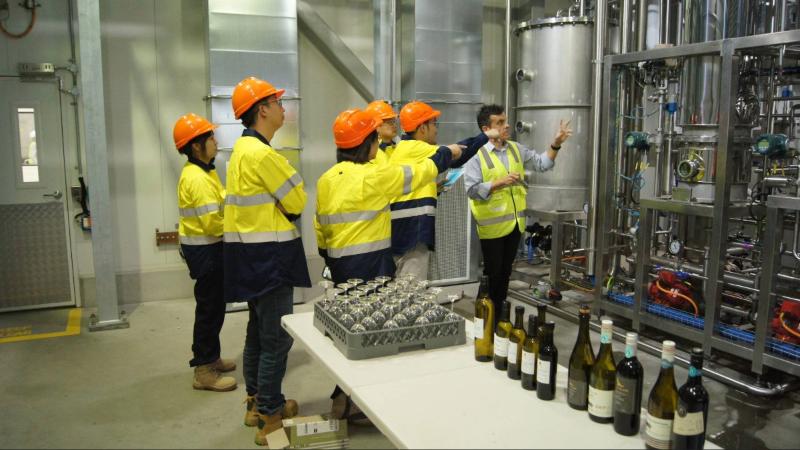
"Using a proprietary process, the aroma essence goes through a second treatment to remove alcohol while protecting delicate compounds responsible for the wine's aroma and flavour. This treated aroma is then blended with the dealcoholised wine base to produce a wine with superior aroma and flavour retention and one that is closer to its original wine base."
TWE, inevitably, describes its new process as "world-leading", bringing the industry a step closer to being able to produce alcohol-free wines that can genuinely rival traditional premium wine in blind tastings. Yet Dry concedes that low- and no-alcohol winemaking technology is still in its infancy, while "many of the principles that underpin traditional wine production do not directly translate to NoLo."
She continues: "To frame the scale of the challenge - for thousands of years, winemakers have refined techniques and approaches to consistently realise the full potential of their fruit. Thus, our approach is to draw on the established winemaking expertise at TWE to fast-track our understanding of NoLo production and the intricacies of where we can intervene to make quality improvement. And, while we are learning quickly, there remains a significant body of knowledge to build."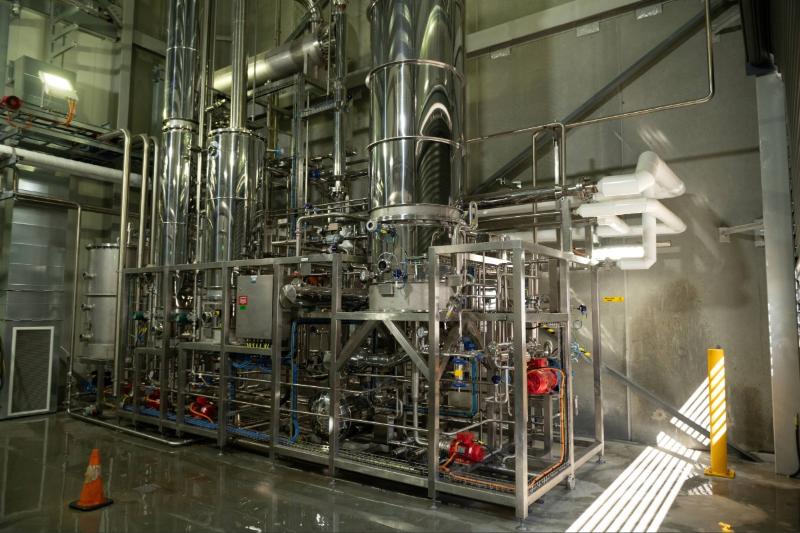
In essence, technological advances are transforming dealcoholisation from a subtractive process into a reconstructive one. Producers are no longer simply removing ethanol; they're attempting to rebuild texture, aroma, and balance through increasingly sophisticated sensory engineering.
"At Vilarnau, we use Spinning Cone Column technology, which allows us to remove alcohol at low temperatures while preserving as much of the wine's original character as possible," reveals winemaker Eva Plazas.
"Advances in low-temperature dealcoholisation and selective aroma recovery have been crucial in improving the sensory quality of alcohol-free sparkling wines. In our case, the precision of the Spinning Cone process allows us to work with greater respect for the base wine, helping to retain freshness, varietal expression and overall balance."
She adds that a deeper understanding of how alcohol removal affects structure and texture "has enabled more refined, less corrective approaches, focusing on harmony rather than simply compensating for loss."
Replication or substitution?
I recently tried the Vilarnau alcohol-free white and rosé: they were pleasant, carbonated drinks that offered a reasonable(ish) facsimile of Cava, albeit one missing depth, persistence and textural creaminess that makes premium fizz so compelling. Indeed, Plazas freely admits that producing a 'blind-tasting-proof' replication of the real thing is probably an impossible goal.
Instead, she believes this nascent category is evolving into something fundamentally different: a parallel beverage culture with its own expectations, rituals and standards.
"Alcohol is the structural backbone of all fermented beverages, and removing it inevitably changes the sensory experience," she says.
"While technology allows us to move closer to the aromatic profile and balance of a traditional sparkling wine, some fermentation-derived elements can be interpreted, but never fully replicated."
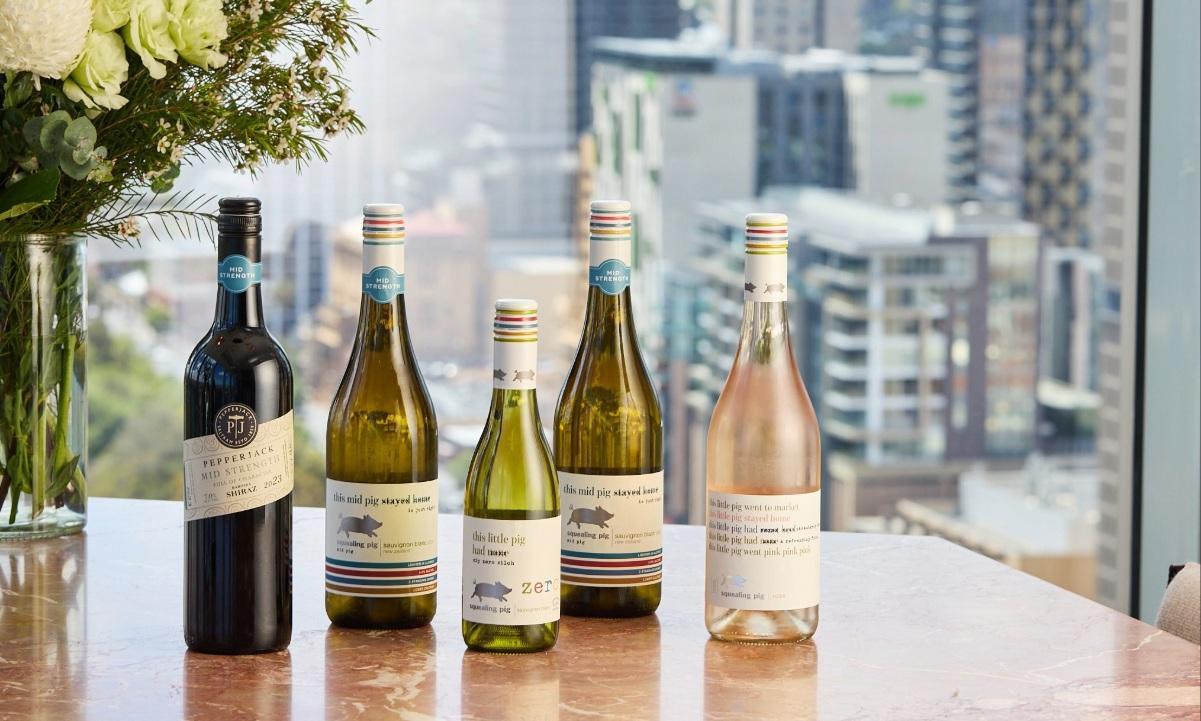
Still wines, too, remain particularly difficult. Clare Dry admits that while mid-strength wines, such as TWE's Squealing Pig Sauvignon Blanc, are approaching parity with full-strength equivalents in blind tastings, the industry is "not there yet" when it comes to benchmarking alcohol-free brands.
However, Giacomo Tarquini, group marketing director at Argea, argues that "with continued advances in technology and dealcoholisation techniques, we are likely to get increasingly close to the profile of traditional wine."
He adds: "We have already delivered strong results with our sparkling wines, and our whites are performing well. The remaining opportunity is to further strengthen our reds. Of course, it would be wrong to see no-alcohol wines as a cure-all for declining consumption, but they are certainly an additional option we can offer consumers."
But what do the gatekeepers think? The sommeliers I interviewed last week, while recognising the commercial advantages of listing alcohol-free brands, were generally lukewarm in their responses, citing familiar scepticisms and concerns.
"I attended the Parched No & low drinks tasting last year. I believe there has been an improvement in the technology; however, I don't think most of the products are suitable for a fine dining or luxury environment. So far, I've found non-alcoholic beer the best performing category," says Leonardo Barlondi, assistant head of wines at The Dorchester, London.
"I also find many alcohol free wines lack minerality and tend to have a sweeter finish."
Historically, the premium wine industry differentiated itself through terroir, craftsmanship, vintage and viticulture rather than industrial processing. But as dealcoholised wine evolves, a niche but parallel category is beginning to emerge: one increasingly shaped by sensory science and proprietary technology rather than soil, climate and place. It competes for space alongside sparkling teas, kombucha and other fermented beverages on Michelin-starred pairing menus and in trend-conscious wine bars.
The opportunities for producers struggling with declining consumption are obvious. Yet so too are the risks: a weakening of the very cultural and agricultural foundations that make white Burgundy and Alsace Riesling distinctive in the first place.
Dealcoholised wine? Even now, the suffix remains highly misleading, despite the onward march of progress.




.png)