
Why the Trade Trusts the IWC
Blind. Multi-stage. Consistent.
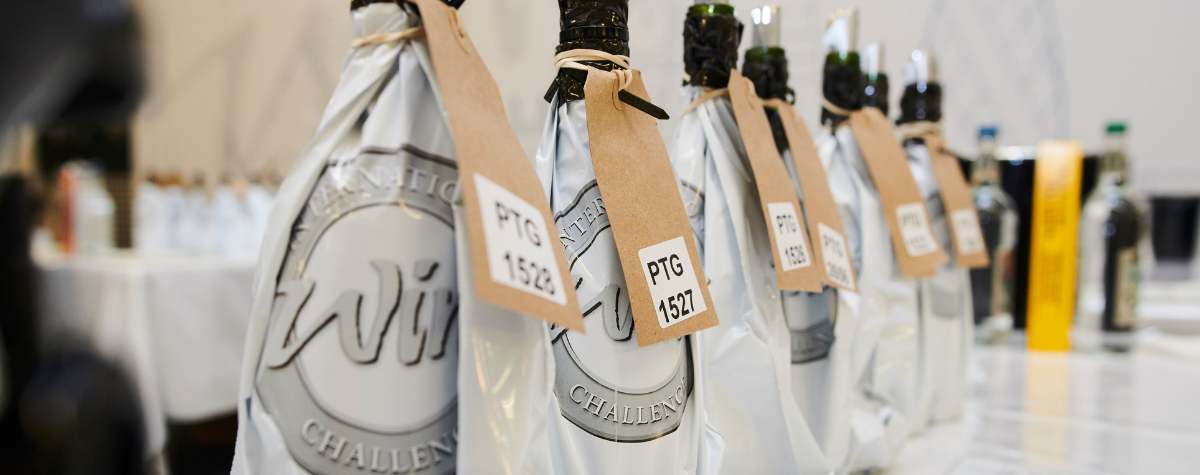
Every wine is judged blind — no labels, no producers, no reputations, and definitely no price.
Because the moment you see a bottle, bias creeps in.
We don't allow that.
Judged for what matters.
Every wine is assessed for:
● Quality
● Balance
● Character
● Style accuracy
● Regional expression
● Vintage correctness
If it claims to be Marlborough Sauvignon Blanc, it should taste like it.
If it doesn't — the score reflects that.
500+ judges. 40+ countries. One shared standard.
Master Sommeliers, Masters of Wine, winemakers, senior buyers, sommeliers, critics, educators — the most experienced tasting room on the planet.
This isn't "one palate decides everything."
It's thousands of hours of tasting experience, aligning behind one final result.
Co-Chair oversight on every medal.
Six of the most influential voices in wine —
Tim Atkin MW, Sam Caporn MW, Oz Clarke, Dr Jamie Goode, Peter McCombie MW and Helen McGinn —
personally re-taste and confirm every Gold and Trophy candidate.
If your wine wins big here, it's because they agreed it deserved to.
How We Prepare the Wines
1. Sample Arrival
Every bottle is checked, coded, and anonymised.
No one tasting your wine ever sees the original bottle.
2. Sorting & Photography
Temperature-controlled storage.
Organised by style and origin.
Photographed for digital accuracy.
3. Picking & Flighting
Wines are grouped into blind tasting flights by variety, region, style and vintage.
Everything goes into identical coded tasting bags.
No labels. No exceptions.
How the Judging Works
Stage 1: Panel Judging
Panels of 3–4 expert judges taste every wine blind — but it's far more than a quick sip and a score.
Each panel is briefed by a Panel Chair before they start.
They taste as a team, but never as clones.
Panels are built to be deliberately diverse — MWs, winemakers, buyers, sommeliers — so no group gets locked into one regional mindset or stylistic bias.
A panel might judge Champagne first, then Taiwanese whites, then Rhone reds.
The order is always correct — lighter to fuller — but the mix of regions and styles is intentional.
It keeps palates sharp and judgements honest.
Each judge works through 5–8 flights per day, with deliberate breaks in between.
Breaks aren't optional — they keep palates fresh and results fair.
After discussion, the panel awards:
● Gold
● Silver
● Bronze
● Commended
● or marks a wine Out
And here's the important bit:
If a panel dismisses a wine, it isn't the end.
Dismissed wines go straight to the Co-Chairs, who re-taste them blind.
If the Co-Chairs believe the wine deserves another look, they send it back to a different panel for a second round.
No wine is written off too quickly.
Every wine gets the chance to show its best.
Stage 2 — Co-Chair Review
All Golds and potential Trophies go to the Co-Chairs.
They confirm — or challenge — panel outcomes.
This is the final quality gate.
No wine gets through without their backing.
Touchpoints by now:
Up to 10 judges have tasted 1 bottle of wine.
Stage 3 — The Trophy Ladder: How Winners Rise
Sub-Regional Trophies
Best Golds compete within a small appellation.
Regional Trophies
Sub-Regional winners face off.
National Trophies
The top wines in each country advance.
International Trophies
Country winners compete by varietal — blind.
Champion Trophies
A final blind tasting determines the Champion Wines of the year.
If your wine reaches this point, it's one of the best in the world.
Sustainability Matters
Once judging is over, bottles, boxes, corks and remaining wine are responsibly recycled.
Good decisions shouldn't come at the planet's expense.
The IWC Difference
Most competitions taste once.
We taste again. And again - for 95+ Golds when looking for trophies..
Some competitions rely on one quick opinion.
We put your wine in front of up to ten different judges — blind, fresh and without mercy.
Some award too generously.
We don't. Our medal rate stays low for a reason: trust.
Some settle for "good enough."
We don't. Accuracy is the whole point.
This is why retailers trust IWC medals.
Why producers use them.
And why consumers follow them.



.png)