


- James Lawrence
- 2026-06-02


The Languedoc has long battled perceptions around value versus prestige. Do you think the region still suffers from outdated assumptions, or have we turned a corner?
I think we still encounter a degree of prejudice in certain markets, though not everywhere. The US has historically been a particularly difficult example, but over the past decade, I've noticed a growing understanding and acceptance of the IGP classification. Consumers and trade professionals there increasingly recognise that great wines do not have to come with an AOP label.
Maintaining and elevating the region's reputation is not rocket science. It comes down to two relatively simple things: continuing to produce high-quality wines at accessible prices - offering the best possible quality-to-price ratio - and communicating that message effectively throughout the sales and marketing chain.
As a family-owned winery, we fully embrace the first point. We work tirelessly to improve quality year after year while keeping prices as fair as possible, although they must of course remain economically sustainable.
Communication remains the bigger challenge, as the message can sometimes stall at the importer or distributor level. Social media, however, gives us an opportunity to engage directly with consumers, and we are investing heavily in professionalising our digital presence. We need to keep telling our story - and telling it better.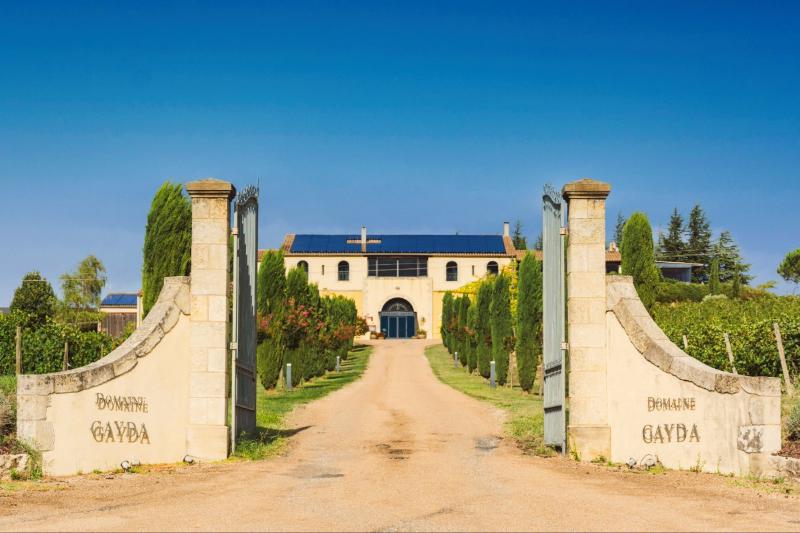
How has your approach in the vineyard and winery evolved over the past decade in response to hotter vintages, water pressure and changing harvest patterns?
Climate change is an ongoing challenge. In the Roussillon, we are seeing reduced yields as rainfall declines and temperatures continue to rise. The nature of the soils there - schist, which is very free-draining and friable - means water retention is extremely low. Even after heavy rainfall, the ground can dry out completely within a day or two.
As a result, our policy is not to expand plantings in that area, difficult though that decision may be. Instead, our future vineyard development is centred around our home estate in Brugairolles, where the soils contain more clay, providing far better water retention. The geography there also gives us slightly cooler temperatures and higher average rainfall.
Harvest dates have shifted dramatically since we started Gayda. Picking now begins in mid-August rather than the first week of September. In some ways, this is the easiest challenge to manage, but earlier harvests create technical pressures in the winery, so our winemaker Vincent, has to stay extremely agile.
Water pressure is another major concern. If we have a strong flowering and good winter rainfall - as we have this year - it can be tempting to aim for higher yields. But without guaranteed summer rainfall, that can become risky. We therefore manage yields very carefully, and green harvesting may be necessary to ensure the remaining fruit achieves full ripeness and balance.
To what extent does global market demand influence winemaking decisions today, and how do you avoid creating wines that feel overly shaped by export expectations?
This has always been one of the most difficult balancing acts in the cellar.
We want to produce wines in the style Vincent is known for, with his personal signature clearly evident, so that the wines retain genuine Gayda identity rather than becoming generic or trend-driven. At the same time, global consumer preferences and market trends cannot be ignored.
The move towards fresher, lower-alcohol styles, for example, is very real. In response, we have invested in jars, amphorae, concrete tanks and concrete eggs, all of which help us mature wines in a way that preserves freshness, balance and elegance.
Whatever changes the market brings, we remain relentless and uncompromising in our pursuit of excellence. In today's environment, there is simply no room for mediocrity.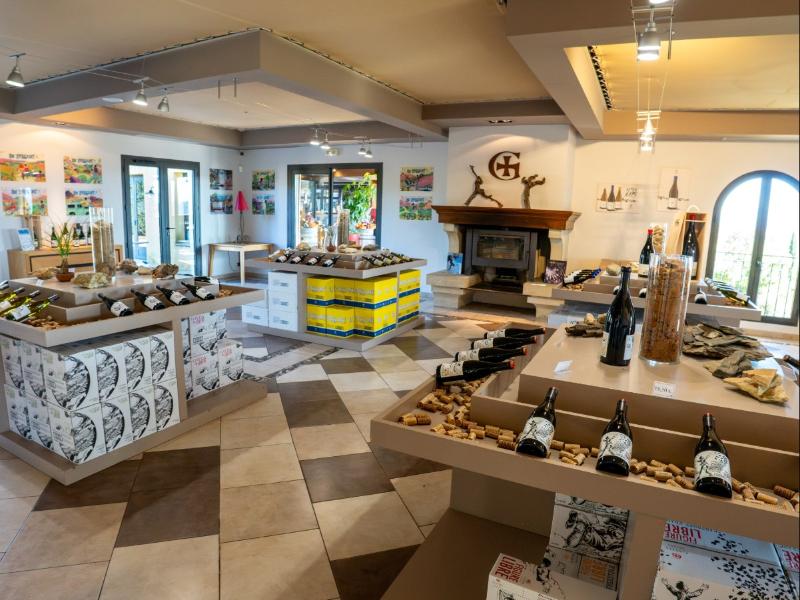
Wine tourism is increasingly important for estates like Domaine Gayda. What are the biggest challenges in balancing hospitality and tourism growth with the operational realities and demands of wine production?
Wine tourism and hospitality are now essential elements of a modern winery business model. Direct revenue from cellar door sales can be significant, but perhaps more importantly, tourism strengthens brand identity and helps educate consumers. I've lost count of the number of visitors who have said after a tasting: "I'll look out for your wines when I get home."
In reality, offering visits and tastings is often less disruptive than people imagine. In fact, the busier the winery is - with grapes arriving, tanks fermenting and equipment in use - the more engaging the experience becomes for visitors.
Naturally, safety is critical. Visits must be carefully controlled, with clearly designated areas where guests can observe the working winery safely, always accompanied by a member of staff. Vineyard tours are somewhat easier to manage because, as a fully organic estate, we do not have to contend with chemical treatments.
Of course, hospitality also requires trained, engaging people. I still conduct visits personally whenever I can, although running a business as complex as Domaine Gayda inevitably demands a great deal of office time.
We also operate four on-site cottages at the old domaine, but they run independently as their own profit centre, which avoids conflict with the investment and management needs of the winery itself. The restaurant operates in the same way, with its own dedicated team. Trying to manage hospitality and wine production within a single structure simply does not work efficiently.
I remember during Gayda's first decade, when we managed the restaurant directly, it consumed around half of my time for relatively little financial return.
Separating the three businesses also removes another potential source of tension: capital investment priorities. Each part of the business must generate its own revenue and justify its own investment. My winemaker would hardly be thrilled if I told him there would be no new barrels this year because the restaurant needed a new kitchen.
Ultimately, the key is creating synergy between hospitality, tourism and the winery itself. Each supports the others, but each also needs its own management structure and financial independence.

.png)