


- James Lawrence
- 2026-06-02


Although reports of the death of the traditional 200-page tome have been (somewhat) exaggerated, modern – and profitable – wine lists are increasingly defined by curation, and not by scale. Faced with a perfect storm of rising costs, moderation trends and supplier pressures, sommeliers are rethinking everything from list design to pricing strategy, not to mention their own role on the restaurant floor. In 2026, discovery, accessibility and commercial sustainability are the buzzwords of the moment, reflecting a wider shift away from prestige-led buying towards an approach more suited to a belt-tightening age.
According to Rachel Coe, Wine Director at Quince in San Francisco, there is a growing emphasis on going back to basics: putting the guest first.
"Top sommeliers are putting the guest first when structuring a wine list. Truly thinking about the guest experience as a whole makes all the difference in creating a programme," she says. "The most common mistake a sommelier can make is to create a list for themselves, rather than the guest."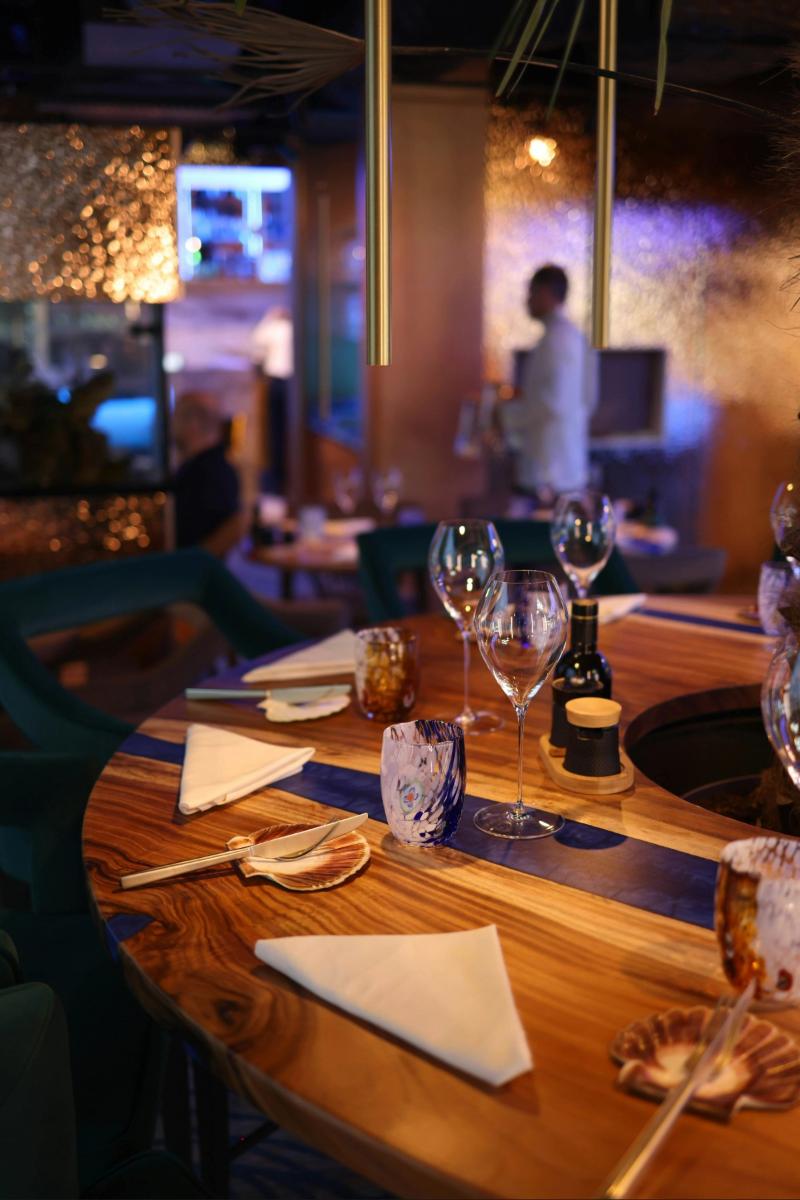
This sentiment is increasingly reflected on both sides of the Atlantic. Notwithstanding declining consumption, wine sales remain a leading driver of profitability for the prestige on-trade, albeit margins have been stretched considerably of late. Therefore, while fine dining has not lost its commitment to depth, the days of lists as a showcase for a sommelier's personal preferences appear to be fading.
"I think before deciding on the format of a wine list, we as sommeliers should first consider the type of guests we typically welcome and what format makes the most sense for them," says Jiachen Lu, head sommelier at Cord.
"I believe that the more effectively a wine list answers guests' unspoken questions, the less intimidating lesser-known producers, regions, or grape varieties become. Then, guests are much more willing to explore, often leading to a genuinely pleasant surprise." In practical terms, this involves tried-and-tested techniques: promoting grape varieties over appellations, organising wines by style or body, and even creating sections based on price sensitivity can all help demystify the category.
"If price is a key consideration for guests (absolutely nothing wrong with that), why not reflect that in the structure of the list? The 'Under £50' section on the wine list at Mountain Beak Street is one of my favourite examples," Jiachen adds.
Out with the old
I remember glancing in awe at the wine list at Le Negresco hotel in Nice in 2010 – a glorious ode to the great and the good of fine wine, stuffed full of famous appellations and blue-chip labels. But, while this approach has not yet gone the way of the dodo - London's Ritz remains committed to an impressively weighty tome – margin pressures and more adventurous diners are encouraging buyers to look beyond the obvious.
"Creativity is important in not only curating a wine list, but pricing a wine list," observes Coe.
"A great tactic is showcasing lesser-known regions that offer strong quality-to- price ratios, allowing guests to discover new wines while restaurants achieve healthier margins than they might on highly allocated or traditionally 'popular' wines."
This is perhaps the most era-defining challenge of modern list construction: how to maintain profitability without undermining guest trust. "I like to position wines such as Quincy AOC or Cabernet Sauvignon blends from South Africa alongside more established appellations like Sancerre or Bordeaux," says Lu.
This strategy is becoming increasingly common. Rather than relying solely on famous names to drive sales, sommeliers are using carefully selected alternatives to deliver value for guests while protecting essential margins.
Lu adds: "For me, profitability and guest satisfaction are not diametrically opposed. If guests feel they are discovering something delicious and fairly priced, they are far more willing to come back, and to order another glass/bottle."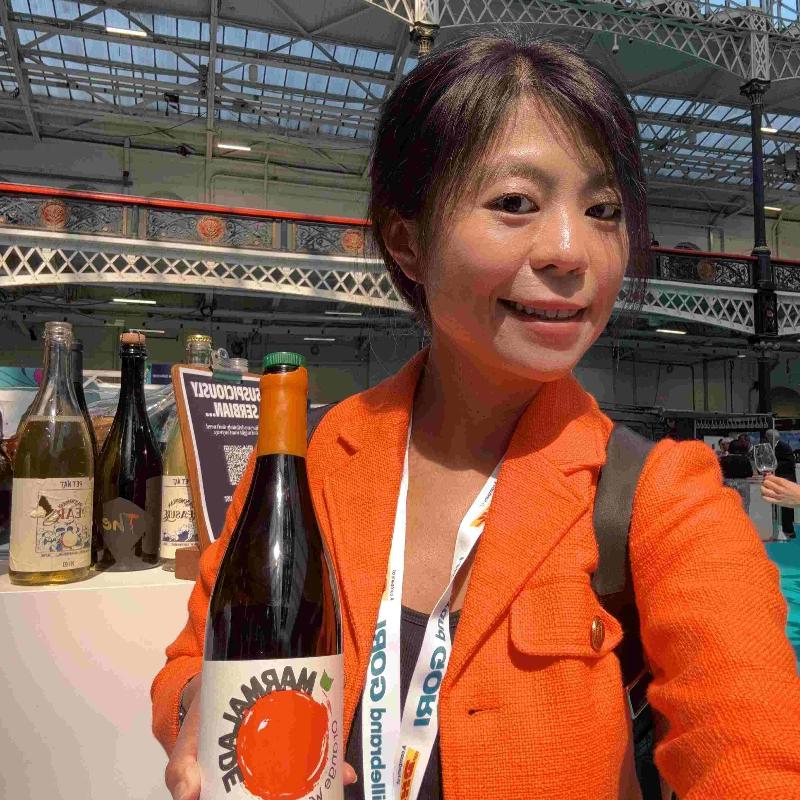
Sommeliers in 2026 are expected to pull off a near miracle – restaurants are under immense financial pressure, yet consumers are increasingly conscious of value. As a result, professionals are being more strategic in how they build their programmes, reveals Adam Saun, assistant head sommelier at Claridge's.
"There's definitely a shift towards more considered pricing structures," he says.
"Rather than relying on broad mark-ups across the list, sommeliers are being more strategic, protecting accessibility at key price points while still maintaining balance and profitability overall."
Yet the demand for Screaming Eagle and La Tache has not yet completely faded. "I come across a lot of guests who want expensive wine just for the sake of price. So sometimes I feel like I'm experiencing the flip side of wine getting more expensive," explains Paris McGarry, wine director at Cove restaurant in New York.
Bespoke drops
Meanwhile, a successful by-the-glass programme has become fundamental to encouraging exploration and, of course, generating margin. Once viewed as a supporting act, by-the-glass can be one of the primary ways that guests engage with wine. Particularly, observes Lu, among younger diners.
"From my observations, younger guests are far more likely to explore through by-the-glass selections, allowing them to try several wines over the course of a three-course meal rather than committing to a full bottle. Because of this, building a more interesting by-the-glass selection has become one of my main focuses this year."
At Cord, this has yielded some surprising results. According to Lu, Cypriot Xynisteri and Chinese Riesling have consistently been preferred over Sauvignon Blanc since they were introduced to the list, while Japanese Koshu orange wine has also gained significant popularity.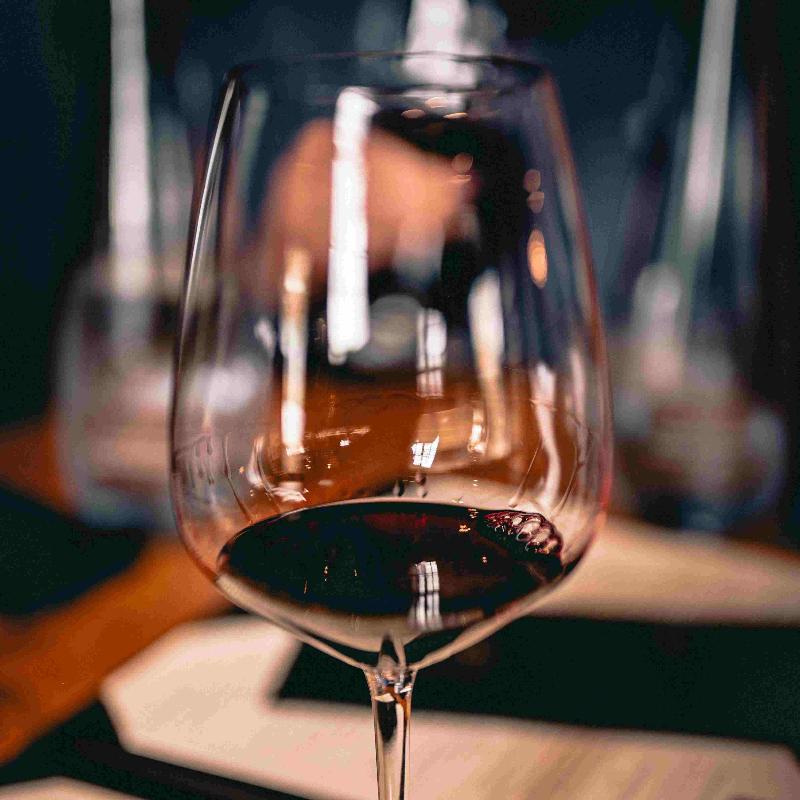
"What has been especially exciting is seeing guests actively choose wines outside the expected classics. I think when younger diners are genuinely willing to discover something new, it's our responsibility as sommeliers to feed that curiosity with classic wines and lesser- known yet well-made wines through a thoughtful selection."
The subject of Coravin, however, is a divisive one, with different sommeliers travelling in different directions. At Claridge's, Saun describes Coravin as "transformative in making wines accessible that would otherwise be impractical to offer by the glass," allowing guests to explore super-premium styles without forking out hundreds – or thousands – for a full bottle.
Yet others are more cautious. At Quince, Coe argues that by-the-glass programmes should remain focused and carefully curated. "Seeing a restaurant that over- utilises the Coravin programming (say 20+ wines by-the-glass) is somewhat discouraging."
McGarry takes it one step further. "We don't have anything poured by Coravin. I think the wine should breathe and be opened. And I think there are so many great producers with wine in my by-the-glass range that sometimes I feel spoiled with options," she says.
A new world
But perhaps the most significant change is the role of the sommelier itself. Traditionally viewed as gatekeepers of expertise – stereotypically adorned in a penguin jacket with all the warmth and approachability of a Siberian winter – the new guard increasingly describe themselves as storytellers, guides and educators..jpg)
"I'd like to think the sommelier's role has moved from gatekeeper to guide, as I've always aimed to make wine education accessible to everyone at Claridge's," enthuses Saun.
Indeed, communication skills have become just as, if not more important, than encyclopedic wine knowledge.
"Guests today are often more informed and engaged with wine, through building their own collections, travelling to wine regions, reading wine publications or pursuing formal education such as WSET qualifications," explains Lu.
"Therefore, the modern head sommelier needs to balance product expertise with communication skills. It's no longer just about knowing the wine; it's about understanding the guests, telling the story inside and around the bottle, and making wine experience more approachable rather than intimidating."
The profession itself is also becoming more diverse and multifaceted. Coe points to the rise of hybrid roles such as sommelier/GM and sommelier/owner, while McGarry believes the industry has become "more inclusive to newcomers and people with passion and perspective instead of just a lot of fancy certifications."
Ultimately, the perfect list depends on the venue. As Ian Campbell, owner of 10 Cases in Covent Garden, once put it: "Sake and a porter with a smoked oyster floating in it in a classic French restaurant doesn't instinctively feel right." Yet certain principles appear universal. Today, a successful list will strike a balance between discovery and familiarity, profitability and value, and ambition and accessibility. It may not be a foolproof formula, but in a challenging market, it's probably as close as the industry can get.




.png)