


- Angela Mount
- 2026-04-21


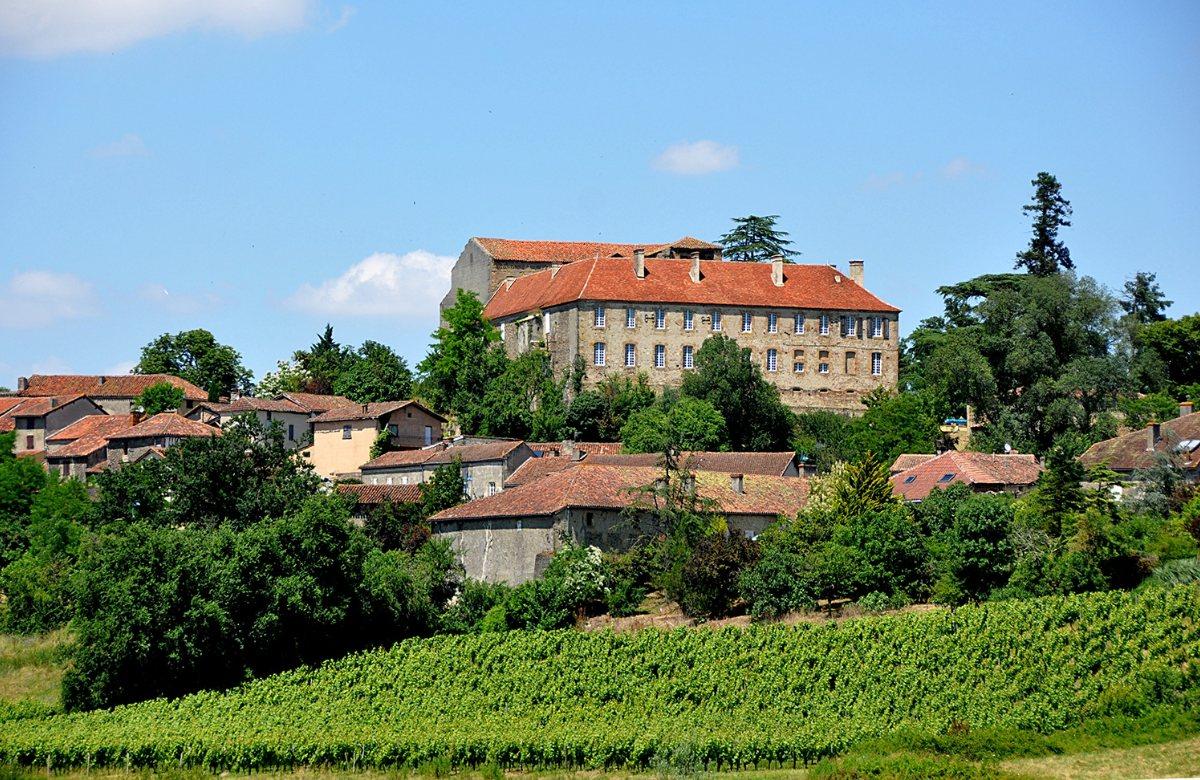
From 5,300 hectares of vineyards across the rugged landscapes of South West France, stretching from the foothills of the Pyrenees to the hills of Gascony and the Gers, Plaimont is based around Saint Mont and its winery at the centre of its operations.
Less famed than their more celebrated neighbours, Bordeaux and Languedoc, and therefore frequently offering far better value, the Gascony-based Plaimont cooperative has quietly yet relentlessly driven quality and innovation into the region over the last forty years. It has also been instrumental in bringing previously unknown appellations to the repertoire of international wine consumers.
Founded in 1979 by three young local winegrowers, over the last forty years, Plaimont has been at the forefront of driving change in the vineyards and the wineries, gaining widespread recognition for the wines of IGP Côtes de Gascogne, whilst also reviving the AOCs of Saint-Mont, Madiran, Jurancon alongside the late harvest wines of Pacherenc du Vic-Bilh.
Today, this pioneering spirit continues under the watchful eye of head winemaker and Managing Director Olivier Bourdet-Pees, who is intent on keeping the personality, typicity and tradition of the region's wines, whilst championing new flavour profiles and recapturing the hearts of today's wine-drinking public. He works with over 600 member families, who share his philosophy and his dream. "There's no magic here," he told me, "it's all about the grapes, understanding the land, discovering new terroirs, and adapting to the challenges of a changing climate."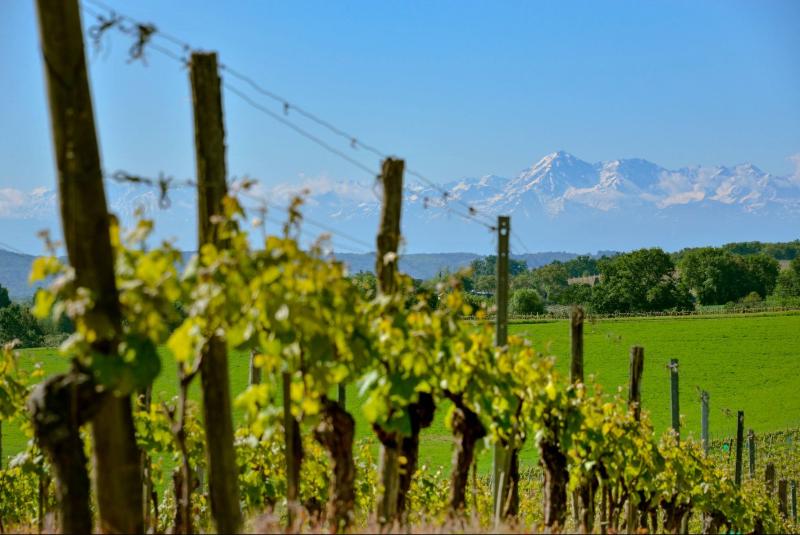
"Our Co-Op members fully embrace our vision and the challenges of change," he continued.
"They also want to transform the philosophy, and adapt styles of wine to suit today's consumer – fresher, lighter styles, far less oak; we've accepted that we have to pay more for quality grapes, picked earlier, in peak condition, to deliver the styles that we need to keep developing."
Élia, a naturally lower-alcohol white wine at 9 per cent ABV, made predominantly from the Colombard grape, is a classic example of adaptation; a result of earlier harvesting, grapes from higher, sun- shielded vineyards, and specific vinification techniques, resulting in a fresh, aromatic wine which maintains the style and the tonal depth of the region.
For a wine producer from a region steeped in heritage and tradition, Bourdet-Pees has a refreshingly forward-thinking approach, with the consumer firmly at the heart of his strategy; he also shows unbridled excitement at the wave of new opportunities, that have now opened up, due to climate change, embracing new terroirs, earlier harvests, new styles... and the rediscovery and rebirth of one long-forgotten, and once obsolete grape variety – the Tardif.
The Tardif is an ancient and, until fairly recently, largely extinct black grape, originating in the foothills of the Pyrenees. It was abandoned in the 19th century, due to its inability to ripen fully in the local climate, however late the harvest, hence its name. Back in 2000, two isolated vines of Tardif, hardy survivors of the phylloxera plague, were discovered by Saint Mont's viticultural technician. This unexpected find marked the beginning of a research and rebirth programme, which would span 24 years, resulting in the reinstatement of the grape as a permitted varietal for the Saint Mont appellation.
"It's been a real 'Jurassic Park' journey," reflected Bourdet-Pees. "From the first experimental plantings in the early 2000s, when it was forbidden to label a wine Tardif, and the first microvinifications to identify the grape's aromatic profile, to the first Tardif cuvee in 2020, it's been an amazing journey of rediscovery."
In 2024, the Tardif was finally introduced into the Saint Mont AOC as an accessory grape variety, and in early 2025 the first AOC Saint Mont Tannat/Tardif assemblage was released. The future and potential for Tardif is emerging at an opportune time, when climate change is dramatically altering the natural ripening cycle of grapes. A grape that even fifty years ago was unyielding and tannic, is now producing red wines of great freshness and lift; a slow ripener, usually harvested well into October, it is remarkably light in colour, with pronounced aromatic and peppery notes, fermented at lower temperatures in stainless steel. In Plaimont's 'Cepages D'Auteurs' Tannat/Tardif blend, it adds freshness and brightness to the traditional Tannat spice and depth.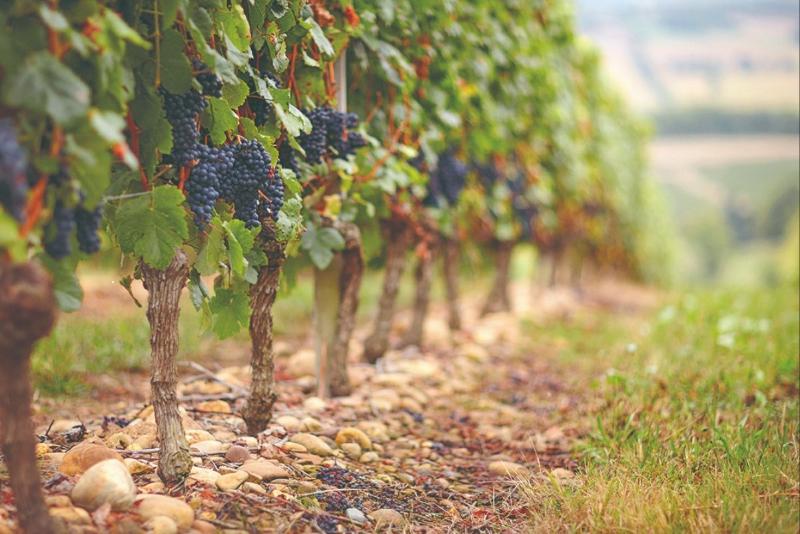
There are still only around ten hectares of Tardif planted in the region, with Plaimont planting, on average, a further four hectares each year. "We're having to grow slowly", Bourdet-Pees concluded, "We don't have enough volume yet for mainstream retail, but that's only a matter of time. Tardif survived phylloxera, and now it has a new lease of life, potentially crucial in the future of our region's wines. It's a new story, it's the future, and it's at the beating heart of our pioneering philosophy – our customers expect it of us; so do our distributors".
At a time of rapid change in the wine world, climatic and economic, together with swiftly evolving consumer trends, which include renewed interest in unknown and rediscovered grape varieties and regions, the future looks bright for Saint Mont, Tardif and Plaimont.




.png)