
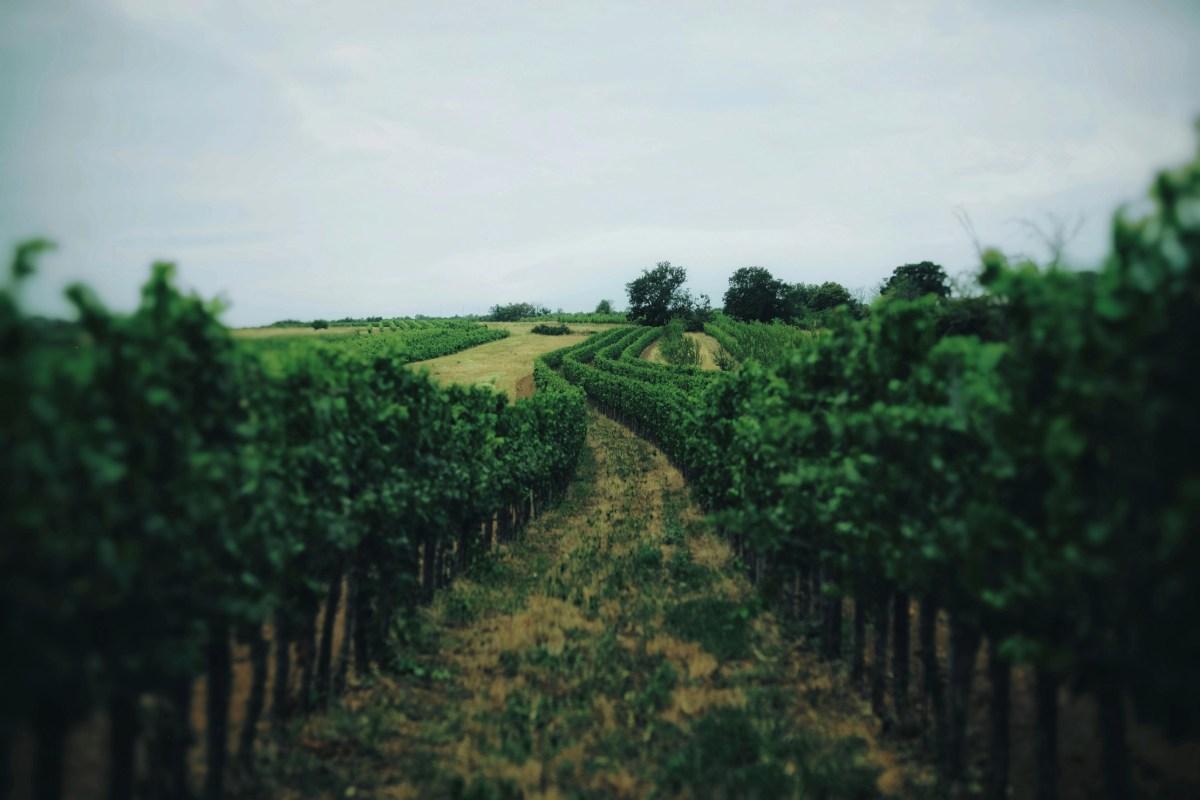
Once dismissed as a curiosity, English still wine is emerging as a serious category – but how far can it realistically go?
Remember when English wine was derided as "tasting of rain?" That now seems a laughable cliché, with vineyards in Kent and Sussex producing Chardonnay and Pinot Noir that can, in strong vintages, pass for Burgundy in blind tastings. And while the industry remains defined – and commercially underpinned – by sparkling, still wines are increasingly central to both producer strategy and category identity. The question is: how far can the category realistically travel?
According to WineGB, sparkling production accounts for roughly 69-76% of total output, depending on the vintage. Yet many leading wineries have increased their still volumes over the past five years, drawn by the potential for stronger margins, lower production costs, and faster routes to market.
"Our still wine production today is almost three times what it was five years ago," says Fergus Elias, director of wine at Balfour. "Back then, still wines accounted for around 15 to 20 per cent of our production. Today, that figure sits closer to 35 to 40 per cent. That change has been entirely deliberate." Among Balfour's expanding portfolio is an Albariño, benchmarked against the best of Galicia in both price and quality.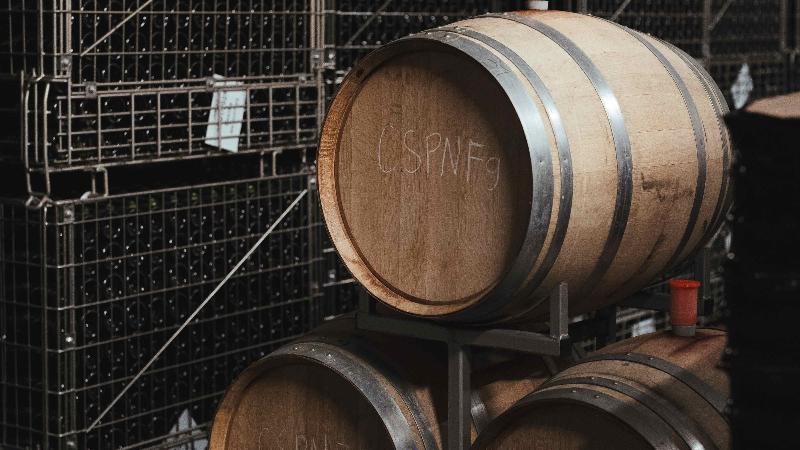
"There is definitely a structural and economic dimension to this change. Sparkling wine, while foundational to England's success, is capital-intensive and slow to bring to market," agrees Sergio Verrillo, co-founder of Blackbook Winery.
"Still wines offer producers greater flexibility and faster cash flow, encouraging further investment and experimentation in the category. As a result, still wines are no longer treated as secondary products, but as an essential part of a balanced and commercially viable portfolio."
Meanwhile, a series of warmer, drier summers over the past decade have improved ripening conditions, with recent harvests delivering a step-change in fruit quality and consistency.
"At the same time, increased climatic volatility has forced producers to adapt quickly. This has accelerated the industry's understanding of site selection, with regions such as Sussex, Kent and Essex now consistently delivering riper, more balanced fruit," Verrillo adds. copy final.jpg)
"Better sites, farmed with greater precision, are producing fruit that is no longer just suitable for sparkling bases, but capable of underpinning high-quality still wines with real structure and definition."
The sky is not the limit
Yet while the role of climate change in this shift is undeniable, producers caution against assuming that a wholesale transition towards still wines is feasible. Global warming may have expanded the boundaries of possibility; however, success remains highly contingent on precision. "Successful still wine production is only possible in very specific sites within the UK, and that, regardless, we are still on the very fringes of viable viticulture," observes Ruth Simpson, co-founder of Simpsons' Wine Estate.
She highlights the essential conditions: a south-facing slope, low elevation, shelter from wind, and optimal soil composition – ideally chalk – as prerequisites rather than "nice to haves." At the same time, advances in vineyard management and clonal selection have significantly raised the quality bar over the past decade.
"Historically, around half of our Chardonnay and Pinot plantings were Burgundy clones. Today, that figure is closer to 80 per cent," explains Elias. This has been a critical factor, he adds, in ensuring reliability and "earning trust from the gatekeepers."
Balfour, like many still wine producers, is focusing on building resilience through site diversification and long-term vineyard planting, spreading risk across multiple counties to mitigate variation. Meanwhile, English still wines are benefiting from a longer, slower growing season, says Simpson, who notes that she "sometimes harvests their still wine plots in early November."
At current price points, however, English still wines typically sit alongside far more established European regions, inviting inevitable comparisons – and questions over relative value. So what's the argument - beyond novelty - for a buyer to choose English Bacchus or Chardonnay over Loire or Burgundy?
"The argument is that there have undoubtedly been changes in the climate and Burgundian producers are having to pick earlier and earlier in order to achieve the same acidity levels that they could boast 30 years ago," replies Simpson.
According to Verrillo, buyers today are not only looking for quality but also for "distinctiveness and relevance, something English wine now delivers."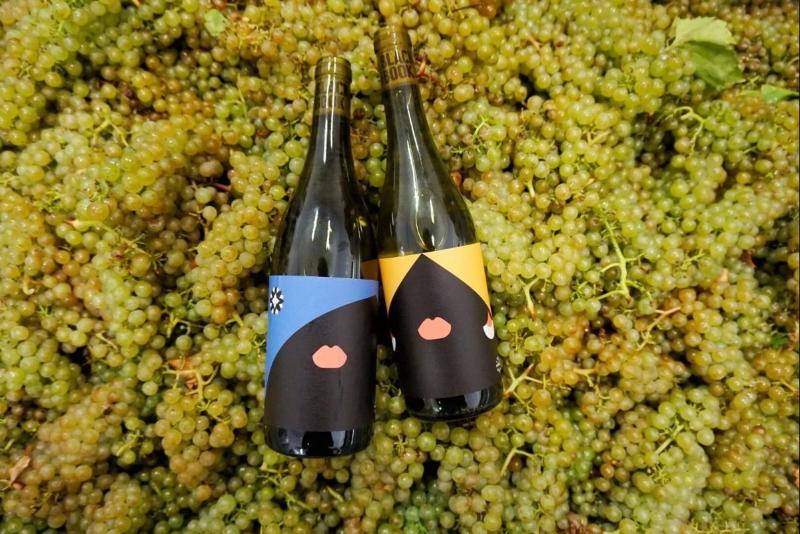
He adds: "With Burgundy pricing continuing to rise, English Chardonnay in particular is increasingly seen not just as a substitute, but as a compelling alternative in its own right."
Litmus test
Of course, the ultimate arbiter of success remains the market – particularly the on-trade. Sommeliers continue to play a critical role in introducing the category to consumers, but acceptance is far from universal.
"I believe English still wines are still approached with a degree of doubt, but curiosity has grown significantly," reveals Imre Somogyi, assistant head sommelier at The Ritz.
He continues: "Pricing is a crucial factor in making English still wines more accessible and popular. That said, they do not need to be the cheapest wines on the list." He identifies (without naming names) "serious, high-quality English still wines" that can compete with classic regions in price, although for Somogyi, the bar remains high.
Indeed, he expects the wine stylistically "to be precise, expressive, and able to stand confidently alongside comparable European examples." It must also offer fair value and "fit logically within the wine list," in addition to demonstrating consistency.
"When all these elements align, an English still wine can absolutely justify its place to compete with a more established European option," he says.
Inevitably, producers are also busy developing export opportunities, piggybacking off the credibility established by English sparkling wines in the Nordics and other sophisticated markets.
"We launched our still wines in Norway in 2019, starting small in HORECA but immediately submitting wine for the Still English White tender," reports Simpson. She proudly adds that within a year, the estate's Gravel Castle Chardonnay had displaced a well-known Chablis as the best-selling still white wine in the Monopoly shops and "it is now the number 1 selling product of all English wines (still + sparkling) sold to Vinmonopolet."
The category has travelled a remarkable distance in a relatively short time – but structural barriers clearly remain. Identifying the key challenges ahead, Verrillo believes English still wines require "stronger stylistic benchmarks, clearer regional identities, and greater consistency across vintages."
He adds: "As the industry continues to establish itself, we'll see more defined sub-regional character emerge, something that will be key to long-term credibility. The likes of Essex are already starting to pull away, defining the category."
Like all stakeholders, he accepts that scale will remain limited by climate and geography. Yet while still wines are unlikely to displace sparkling as the industry's commercial backbone, for now, the category occupies a compelling position: small in scale but growing in confidence and ambition.

Get expert insights, weekly highlights, and exclusive stories from the world's most trusted wine competition.