


- James Lawrence
- 2026-04-08


A leading supermarket buyer once told me: "When economic conditions are good, you can buy, at least in part, with your heart; when they're bad, you buy with your head." By that measure, today's buyers are navigating a minefield of tough decisions: inflation may have eased from its peak; however, costs remain structurally elevated and may yet rise further amid the prospect of an ongoing war. Layer on fragile consumer confidence and a rising moderation trend, and the result is a business environment where buyers across the spectrum – from national suppliers to independent merchants – are ditching any personal preference for cold, hard logic. Romance is definitely not in the air.
"We're streamlining and trying to reduce the number of agents we deal with, rather than simply the number of wines we offer. It's such a challenging environment that any decisions are primarily taken with the profit and loss sheet in mind," says Rupert Pritchett, MD at Taurus Wines.
"Burgundy would be a classic case in point here. Prices are rising at a time when customers are spending less, so the region is effectively pricing itself out of the market. This has meant the range has inevitably shrunk."
Today, across both the retail and hospitality sectors, the word that most routinely crops up is "rationalisation." Ranges are being streamlined, portfolios tightened, and individual performance is being scrutinised.
According to Frances Bentley, wine buyer at LWC Drinks: "The on-trade is seeing sustained pressure from duty increases, EPR costs, energy and labour costs have all risen this year, and it's never been more difficult for operators to be profitable. Wine is still important in the on-trade, but it's having to work even harder for venues, both nationally and in the independent free trade."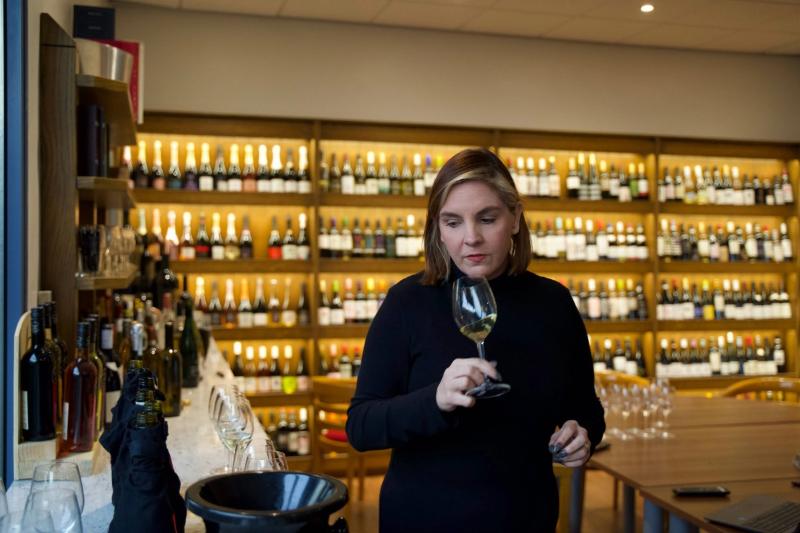
Meanwhile, independent retailers, long defined by their breadth and individuality, are undergoing a parallel period of recalibration.
"We have certainly streamlined our range over the past 12-24 months, and looked to work with fewer suppliers so that we can increase our buying power and negotiate better pricing so that we can achieve better margins," said Phil Innes, MD at Loki Wines, in 2025.
He added that "customers are sticking to their usual price points; however, due to persistent inflation, buyers are nonetheless trading down." This has created two dynamics: a renewed focus on value-driven wines that deliver character at under £20, and a greater reliance, if at all possible, on direct sourcing.
Not quite a race to the bottom
Ongoing rationalisation, of course, is merely a symptom of a far bigger problem – a fundamental shift in the economics of selling wine, driven by external shocks and evolving consumer preferences. In the on-trade, Bentley notes that while operators are passing on some cost increases, they are also absorbing more than is sustainable.
"That disconnect is influencing their behaviour, and so therefore my own," she explains.
"The balance has shifted toward protecting margin where possible, while absorbing increases where customer resistance is highest. We need to offer excellent value in all the most common styles of wines, but create new margin-enhancing moments for customers - these include our 8% wines and the rise of non-glera spumante."
Yet many smaller retail buyers are finding themselves caught between a rock and a hard place as they attempt to navigate today's economics. As Pritchett observes, while Taurus Wines is forced to offer more entry-level wine to accommodate shrinking consumer budgets, the arithmetic is unforgiving.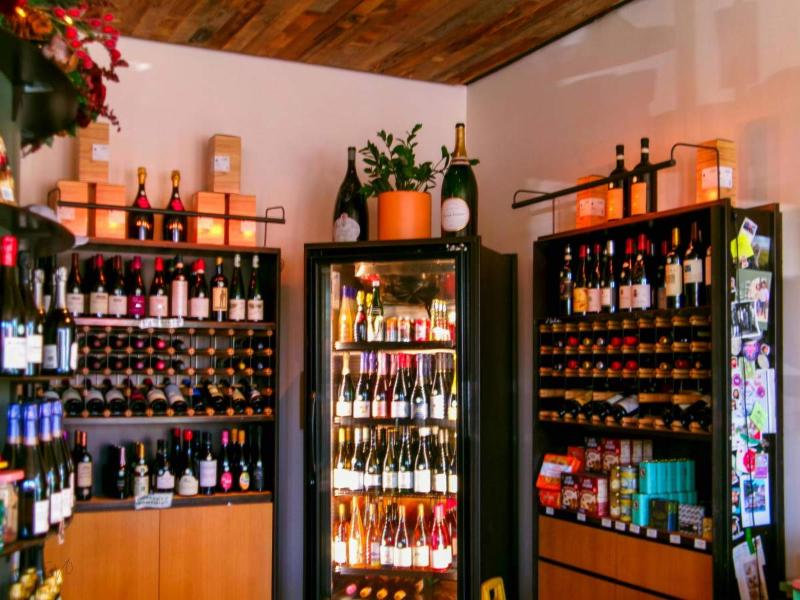
"The issue is covering our costs as the profit is so low on these wines it doesn't cover the level of service we give," he says.
"After allowing for training and paid breaks, the jobs tax staff now cost a business getting on for twenty quid an hour. If that member of staff takes 20 minutes to sell a six-pack of ten-pound wine, the margin made will barely cover their wages, let alone contribute to other overheads."
This tension – between the need to offer wines at accessible price points and ever-stretched margins – is reshaping buying strategies across both sectors. As a corollary, merchants are having to stock fewer, more commercially robust lines.
However, the story is more nuanced than simply "a race to the bottom." Bentley points to a more bifurcated market, noting that while "venues have absolutely simplified their wine lists, that's not the full story."
She adds: "We are seeing mainstream venues cut back and protect margin, but other, smaller operators are making the most of their opportunity to stand out and are willing to experiment, try more niche products and place emphasis on provenance." Nevertheless, in a difficult context, every SKU has to earn its keep – whether through margin, volume, or its ability to enhance the overall proposition.
Winners and losers
More positively, buyers report that certain categories are proving remarkably resilient, including quaffable pink and other lifestyle-driven styles.
"Thank goodness for rosé," says Bentley. "At all price points, it's in growth. It's the easiest way for venues to capture new wine sales, improve margin and create social, Instagrammable moments for their consumers."
Equally, Innes reports that consumer demand for Bordeaux and Champagne has fallen off, "so these ranges have decreased a bit," he says.
" I think we are seeing New Zealand Sauvignon running out of steam as well."
Will Burgess, director at The Sourcing Table, adds that "generally, anything over £40 a bottle is now a tough sell, without having a good established relationship with the customer." And so businesses are tasked with trimming lines that no longer earn their shelf space while maintaining a portfolio that is able to pique the interest of their customer base.
Still, even within this difficult landscape, there are opportunities for the more agile buyer. "Value", emphasises Bentley, "doesn't have to come from cutting prices; it can come from attracting real wine lovers who help elevate the category."
"I'm genuinely proud of how we've continued to strengthen our national wine offer while staying tuned in to what our regional customers need. "
The (relative) freedom that once defined portfolio building – whether through expansive ranges or speculative buying – has narrowed under the weight of a troubled world. But there is still money to be made, even now, provided buyers lead with their heads rather than their hearts.




.png)