


- James Lawrence
- 2026-04-21


PIWOSA is a collective of like-minded, premium, independent wine producers drawn from the diverse wine regions of South Africa's Western Cape. Established in 2013 with the endorsement of key industry bodies, the group was founded on a shared ambition: to elevate and promote premium South African wines on the international stage. The current membership comprises Avondale, De Grendel Wine, Glenelly Estate, Jordan Wine Estate, Journey's End (Gabb Family Wines), Ken Forrester Wines, Paul Cluver Wines, Raats Family Wines, Radford Dale, and Springfield Estate – all exceptional winemakers.
In a significant move for the UK trade, all ten producers will travel to London this June for their first collective tasting in over a decade. "The Return of Wino" will take place on Wednesday, 24 June, from 11 am to 5 pm at Quo Vadis. For more information, please contact Eleanor Standen: eleanor@randr.co.uk.
Ahead of this landmark tasting, James Lawrence sits down with three members to discuss sustainability, social equality, and meeting the climate crisis head-on.
Sir David Pieter De Villiers Graaff, owner, De Grendel
What is the most urgent sustainability challenge facing the South African wine industry today, and how should producers collectively respond?
From my perspective within PIWOSA, one of the most urgent sustainability challenges facing the South African wine industry is the growing pressure on natural resources - particularly water security - alongside the broader impacts of climate change. Increasingly erratic weather patterns, prolonged droughts and rising temperatures are already affecting vineyard performance, wine quality and the long-term viability of our farms.
Addressing this requires a far more collective and proactive approach from producers. It's no longer enough to act individually; collaboration across the industry is essential. We need to share knowledge and experience, particularly around water-efficient farming practices, climate-resilient vineyard management and the adoption of technologies that allow for more precise use of resources.
There also needs to be a clear focus on improving soil health and protecting biodiversity, as these are fundamental to long-term resilience. Journey's End, for example, uses a regenerative worm farming (vermicomposting) programme to produce its own organic fertiliser, including aerated "worm tea" brewed from vermicompost to feed both soil and vine canopy. Unlike conventional fertiliser, which simply feeds the vine, worm tea introduces billions of beneficial live micro-organisms into the soil - improving soil health and enhancing the natural expression of each vineyard block.
Ultimately, sustainability has to go beyond compliance. For us, it's about embedding practices that will safeguard the future of our vineyards and ensure the continued strength of South Africa's premium wine sector in an increasingly challenging environment.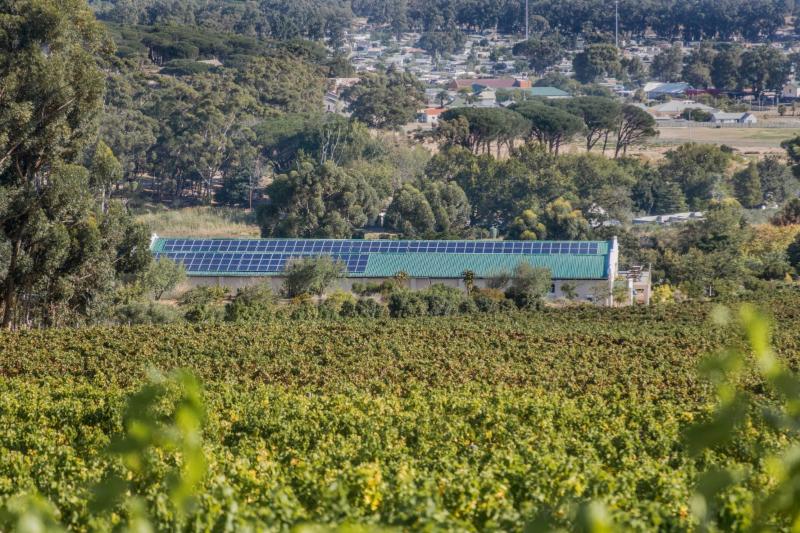
Jeanette Bruwer, owner, Springfield Estate
How effective has PIWOSA been in driving measurable change across the industry, and where do you think it still falls short?
From our perspective at Springfield Estate, PIWOSA has been effective in bringing together a group of like-minded, independent producers united by a shared commitment to quality, authenticity and responsible practices. Crucially, it provides a platform not only to promote PIWOSA itself, but to showcase the diversity and individuality that define South African wine more broadly.
In the absence of meaningful state subsidy, this kind of collective effort is essential. Building and maintaining a strong, positive international reputation requires alignment and consistency, and PIWOSA has played an important role in positioning South Africa as a serious, quality-driven wine-producing country in global markets.
Where it still falls short is in scale and measurable reach. While the message is clear and compelling, its impact remains relatively contained within the group and its immediate audience. The opportunity now is to extend that influence - ensuring that the diversity and credibility PIWOSA represents are communicated more widely, and that this translates into broader recognition and tangible benefit for the South African wine industry as a whole.
Rollo Gabb, MD, Journey's End Wines
Social sustainability is another major issue in South Africa - how can PIWOSA members lead meaningful, industry-wide improvements in labour conditions and community uplift?
Advancing social sustainability is a central part of our remit - within PIWOSA we are already deeply engaged at a practical level. At Ken Forrester Wines, for example, there has long been a focus on supporting education and community initiatives for workers and their families. At Journey's End Vineyards, we've developed one of the more structured empowerment programmes in the industry, including employee share schemes and ongoing skills development. Importantly, this extends beyond farm workers to their families and the surrounding communities, with the aim of helping to break cycles of inequality rather than simply alleviating them.
Journey's End has also been closely involved in the upliftment of Sir Lowry's Pass Village - supporting soup kitchens since the start of the pandemic and delivering more than seven million meals, as well as working directly with local schools to help children off the streets and back into education, while fostering empathy, respect and opportunity. These are just some of the initiatives we've implemented as part of a broader commitment to social responsibility.
Similarly, Paul Cluver Wines has built a strong model around worker welfare, education and housing, demonstrating clearly that long-term investment in people strengthens both community and business resilience. The opportunity now is to scale these models - creating greater transparency, sharing best practice and encouraging broader adoption across the sector.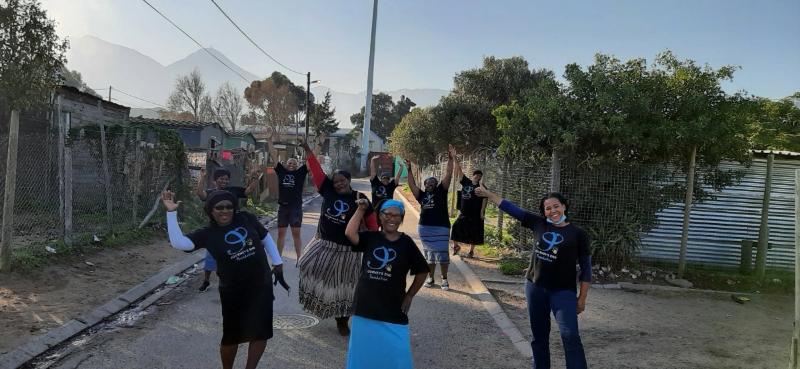
Climate change is increasingly impacting viticulture - what role should PIWOSA play in helping producers adapt?
Members are responding in different but complementary ways: Raats Family Wines focuses on site-specific varietals such as Chenin Blanc and Cabernet Franc suited to local conditions; Springfield Estate relies on low-intervention farming and careful water management in a dry, challenging climate; and Radford Dale has taken a regenerative approach, including organic conversion and soil health initiatives.
Importantly, while many producers across South Africa are already acting decisively, real progress depends on a more collective response. Wider participation in climate adaptation- particularly from those not yet fully engaged - is essential if the industry is to meet the scale of the challenge.
It's also worth recognising that South Africa is not starting from behind. Pioneers such as Rosa Kruger have long worked with growers on erosion control, drought resilience and sustainable vineyard practices. In many respects, South African producers are already ahead of the curve globally.
Finally, how can PIWOSA ensure that sustainability is not just a niche commitment but becomes standard practice across the entire South African wine sector?
The key is to normalise sustainability by making it both accessible and measurable. Within PIWOSA, members already demonstrate that it can sit comfortably alongside premium wine production, across a range of scales and business models.
Avondale Wine Estate and Radford Dale show what is possible through regenerative and organic farming. De Grendel Wine Estate and Jordan Wine Estate demonstrate how sustainability can be embedded within larger, commercially driven operations. Glenelly Estate and Springfield Estate reinforce the importance of long-term stewardship of land and resources.
Going forward, PIWOSA's role is to amplify these working examples, align best practices, and ensure sustainability is practical and scalable. The goal is to move it from a point of difference to a baseline expectation across the South African wine sector.




.png)