


- James Lawrence
- 2026-06-16


Region: County Louth, Ireland
Founded: 2020
Owners: Laclie family
Vineyard holdings: eight hectares
Lead Winemaker: Bertrand Laclie
Annual production: 16,000 bottles
Fairy Trees Winery offers compelling evidence that climate change is reshaping the boundaries of European viticulture. At a latitude of approximately 53º N on Ireland's east coast, roughly parallel with Minsk in Belarus, winemaker Bertrand Laclie manages to ripen Chardonnay and, even more astonishingly, Syrah.
Having initially established a distillery in County Louth, the Laclie family (whose distilling heritage stretches back five generations in Cognac) became convinced that the site benefited from a unique maritime microclimate. Further study and analysis convinced them to trial winegrowing, despite being located at a latitude traditionally considered too extreme for quality viticulture. But Laclie has proven the naysayers wrong.
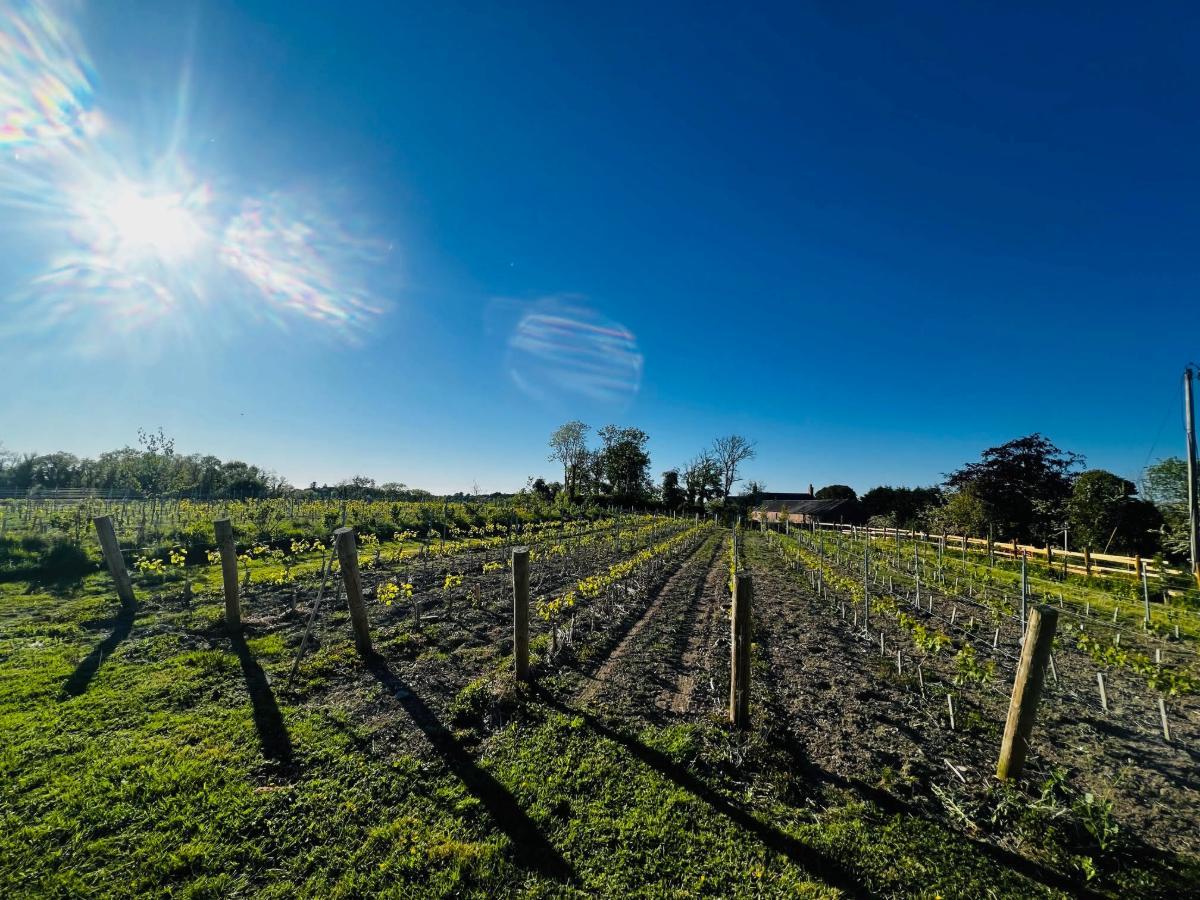
Today, the estate encompasses eight hectares of vineyards in County Louth, overlooking the River Dee and the Irish Sea. Mindful of the cool, oceanic climate, Fairy Trees cultivates a range of disease-resistant varieties, including Artaban, Cabernet Cortis, Floreal and Solaris, in addition to Burgundy's flagship white grape, and a few vines of Syrah. The vineyard is managed according to permaculture principles, with ponds, biodiversity corridors, and thousands of trees incorporated into the landscape.
Yet Laclie freely admits that growing vines this far north is far from easy. "The challenge is moisture - rainfall and humidity mean that airflow, canopy management, drainage and timing are absolutely critical," he says. "Compared with inland cool-climate regions, our wines tend to be less about power and more about tension, brightness and delicacy. They carry a distinctly maritime Irish character."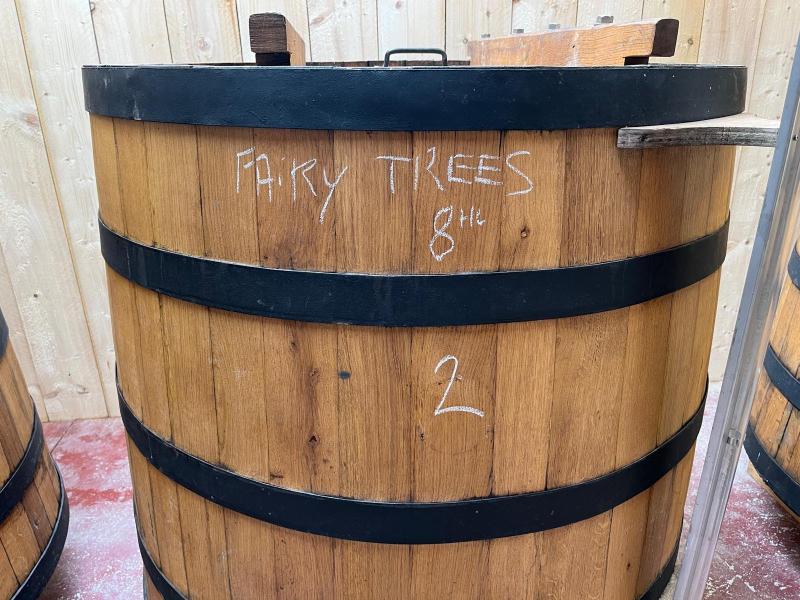
Laclie produces still and sparkling wines using the Charmat method, including the Signature and Discovery Series, while a selection of cuvées matured in Irish whisky casks represents an attractive fusion of the country's historic and contemporary drinking traditions. Meanwhile, the estate has also expanded into grape brandy production, using Charentaise double distillation in the Cognac mould. A generation ago, the very idea of Irish premium wine would have been considered ludicrous. But in County Louth, a new frontier of cool-climate viticulture is already taking shape.
"My vision is not only that Fairy Trees succeeds, but that Fairy Trees helps encourage the creation of a real Irish wine community," enthuses Laclie.
"If producers unite, share experience and promote Irish wine together, we have a chance to create something credible and lasting. In twenty years' time, success would mean that Irish wine is no longer introduced with surprise. It is introduced with respect."
Q&A: Bertrand Laclie, Co-Founder, Fairy Trees Winery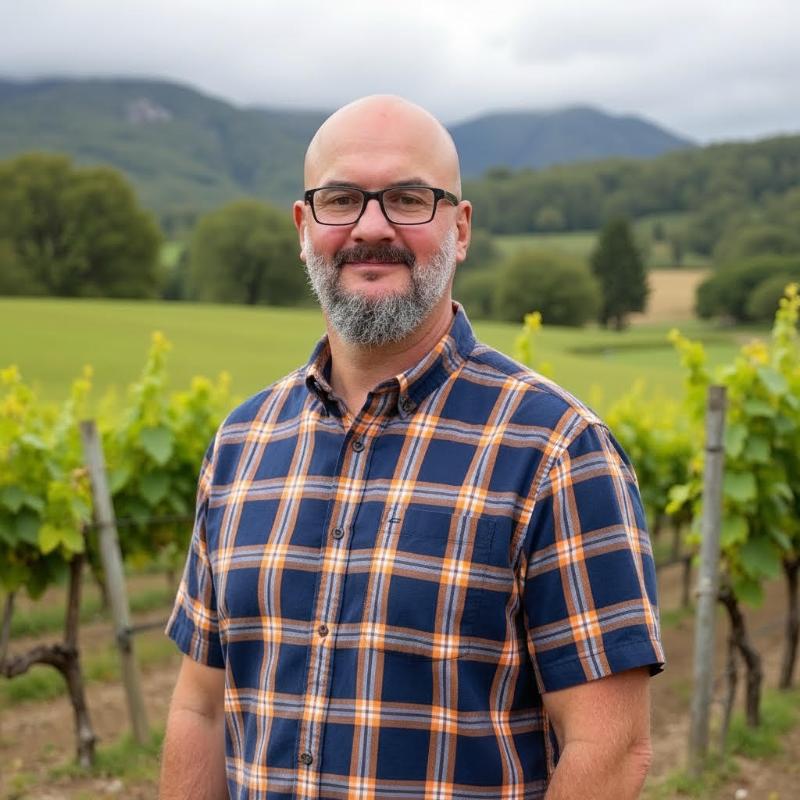
Ireland is not traditionally viewed as a wine-producing nation. What convinced you that County Louth could support a commercially viable vineyard?
We first established a distillery in County Louth and, after a few years, I noticed that, living beside the Irish Sea, we benefited from a unique microclimate that was noticeably warmer and drier than many other parts of the county. We invited a French oenologist to conduct soil analyses to determine whether viticulture was genuinely possible here. We also took soil samples from sites in Wexford and County Cavan, and worked with Alain Malard, one of France's pioneers in combining viticulture with permaculture.
After their visit and analysis, the conclusion was quite simple: producing wine in Ireland would not be the problem; the real challenge would be selling Irish wine.
The biggest misconception we have encountered is that Ireland is simply too wet or too cold for wine. The reality is far more nuanced. Yes, it is challenging, and success depends on careful site selection, drainage, canopy management and variety choice. But cool-climate winemaking is not a disadvantage if you understand how to work with it. It can deliver freshness, natural acidity, elegance and aromatic purity.
Another misconception is that tradition is the only measure of credibility. Every wine region was new once. Ireland may not have centuries of commercial winemaking behind it, but that also gives us freedom — the freedom to innovate, to work sustainably and to define what Irish wine can become, rather than simply inherit somebody else's model.
Your family brings five generations of Cognac and winemaking experience from France. Which French traditions have you deliberately preserved at Fairy Trees Winery?
We brought the French discipline, but not the French recipe. The mistake would have been to create an imitation of France in County Louth. What we are trying to produce is something genuinely Irish, guided by five generations of French experience.
From France, we have preserved a respect for terroir, patience, craftsmanship, a culture of tasting and a refusal to compromise on quality. However, we have had to reinvent almost everything practical: variety selection, vineyard management, harvest timing and the way we respond to the weather.
In France, tradition gives you confidence. In Ireland, the climate teaches you humility. That combination is what makes Fairy Trees exciting. It is not French wine made in Ireland; it is Irish wine made with French experience.
If Fairy Trees succeeds in its ambition to put Irish wine on the global map, what will the Irish wine industry look like in twenty years' time?
The future of Irish wine must be built on quality. For me, success means wines with precision, character and a genuine sense of place. In twenty years' time, I hope Irish wine is no longer introduced as a surprise, but as something credible, distinctive and respected.
That industry would consist of a network of small vineyards, family producers, skilled growers, winemakers, restaurants, hotels and wine tourism businesses. Ireland already enjoys a global reputation for food, hospitality, storytelling and craft drinks. Wine can become part of that identity — not by competing with France, Italy or Spain on volume, but by offering something they cannot: Irish terroir, Irish freshness, Irish landscapes and Irish character.
However, that will only happen if producers work together. At present, the small number of Irish wine producers often operate too independently, without enough communication or collaboration. That is one of the biggest risks. A wine region is not built by isolated vineyards; it is built through a shared vision, common standards, shared knowledge and a collective voice.
The greatest technical challenge is consistency. One successful vintage may attract attention, but an industry is built on producing quality year after year. In Ireland, that means being extremely precise: choosing the right sites, planting the right varieties, ensuring proper drainage, managing the canopy effectively and having the right people in the vineyard at exactly the right time.
The second challenge is perception. Many people still hear the phrase "Irish wine" and assume it must be impossible, or merely a curiosity. That perception has to change, but it will only change through quality. We cannot talk our way onto the global stage; the wines must earn their place in the glass.
There are also practical challenges: investment, training, research, infrastructure, regulation, distribution and, above all, patience. Vineyards take years to prove themselves. Ireland will need greater technical knowledge, more viticultural support and greater confidence from consumers, restaurants and retailers.


.png)