



- James Lawrence
- 2026-06-02


It's all guns blazing in the world of alternative format innovation: design firm Barcelona Brands has solved one of the biggest historical weaknesses of canned wine, namely the inability to see the product. Rosé by ¡Hola!, one of the company's best sellers, is now available in a 25cl transparent recycled PET can in several European markets, launching in the UK this autumn.
"The RTD boom has trained consumers to value ease. A premium rosé in a can bridges the gap between RTDs and traditional wine, offering convenience without sacrificing authenticity," says co-founder Christopher Heirwegh.
"This is where innovation becomes critical. The transparent can allows consumers to see the rosé's colour before purchasing, something traditional cans never offered. That visual connection builds trust and desire.".jpg)
Have the stars finally aligned for alternative formats? For years, investors have been waiting for a breakthrough moment – a revolution in how we package and distribute wine. Yet glass retains its stubborn hold on the industry. It still accounts for over 85% of wine sold in the UK, particularly when measured by value rather than volume. The challenge is therefore no longer whether alternative formats can win consumers over, but whether they can overcome wine's deeply entrenched emotional attachment to glass.
The sustainability imperative
This ancient vessel, perfected by artisans in the Venetian workshops of Murano, has come under heightened scrutiny of late. Over 50% of the total carbon footprint of wine emanates from the production and distribution of 75cl glass bottles; noticeably higher than the CO2 involved in the manufacture of canned beverages and bag-in-box. At the same time, international organisations continue to push for the introduction of global carbon taxes on shipping. Is it simply a matter of time before the environmental lobby gets its way?
According to Richard Hamblin, owner of More Wine: "My sense is that production costs and the associated costs of getting the material to the winery are only going to increase. So I'm very hopeful that there will be a mass transition away from glass."
He adds: "Alternative formats offer a great incentive: the chance to operate in different market sectors, and to reduce the costs per litre of wine exported. If we're talking about still wine made to be consumed within the next 12 months, then there really is no need for it ever to be packaged, shipped, and transported in unnecessarily heavy glass."
Yet it's not just manufacturers who are lobbying for greater market share. Last year, Siobhan Wilson, general manager of sales and marketing at Marisco Vineyards, told me that the winery "had received requests from our EU customers, particularly in Scandinavian countries, who want to be glass-free by 2030."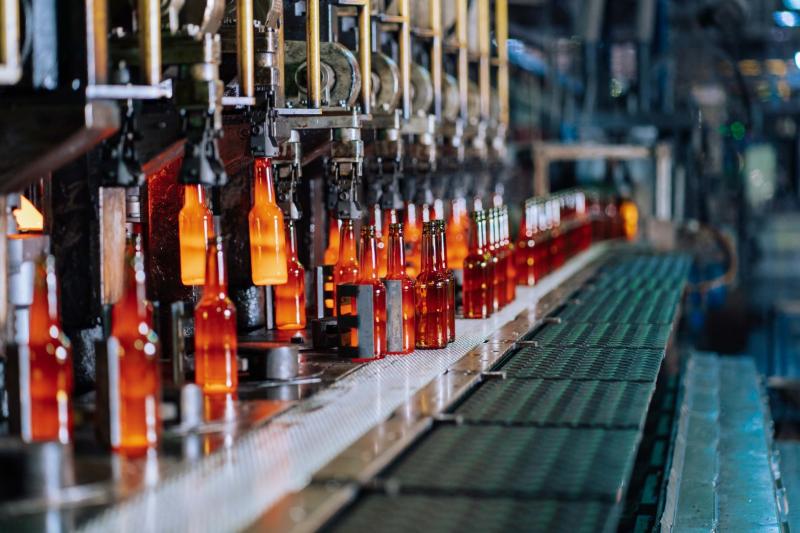
As a result, Marisco has been seriously looking at alternative packaging formats, including a supplier in Italy producing 'test tubes'. "By shipping wine in bulk and bottling it closer to the market, we reduce transportation costs and impact while still delivering high-quality wine to consumers," she added. Meanwhile, rising freight costs, regulatory oversight and shifting consumer priorities all favour wider adoption. The impetus to ditch glass, certainly at the lower end of the market, has never been stronger.
"With new carbon taxes and the broader discussion around environmental impact, there is growing momentum for change," said Anne Bousquet, co-founder of Domaine Bousquet. "As this trend accelerates, we believe the wine trade will continue to adopt alternative formats where feasible, balancing tradition with a forward-thinking approach to environmental responsibility."
Pushback
Of course, "where feasible" is the essential bit here. Although alternative formats are uniquely positioned to capitalise on key trends – single-serve formats align neatly with moderation, while cans and pouches allow brands to access occasions where glass is impractical – psychological (and logistical) barriers remain significant. With notable exceptions such as rosé brand Mirabeau, relatively few premium producers are willing to embrace non-glass formats.
Indeed, heavy bottles carry strong connotations of luxury in many markets, despite growing criticism of their environmental impact. In this world, presentation and ceremony matter as much as the liquid itself.
"The biggest barrier to wider adoption is perception," agrees Heirwegh.
"Many consumers still associate heavy bottles and traditional packaging with premium quality - the industry must help consumers understand that sustainability and quality can go hand in hand. The second challenge is industry inertia. Retailers, distributors and hospitality operators are still largely built around traditional formats."
But there is also the question of scale to consider. Bernard Fontannaz, CEO and founder of Origin Wine, acquired the canned wine brand Hun in 2022. Yet while he accepts that "alternative packaging is an important growth area, both from a consumer orientation and sustainability standpoint", he has serious doubts about wider adoption in the wine industry.
"You need to sell a great deal of volume to make the model pay its way. In truth, I'm not sure wine as a category can scale as fluidly as RTDs or hard seltzers sold in cans. For us, the venture didn't really work," Fontannaz said.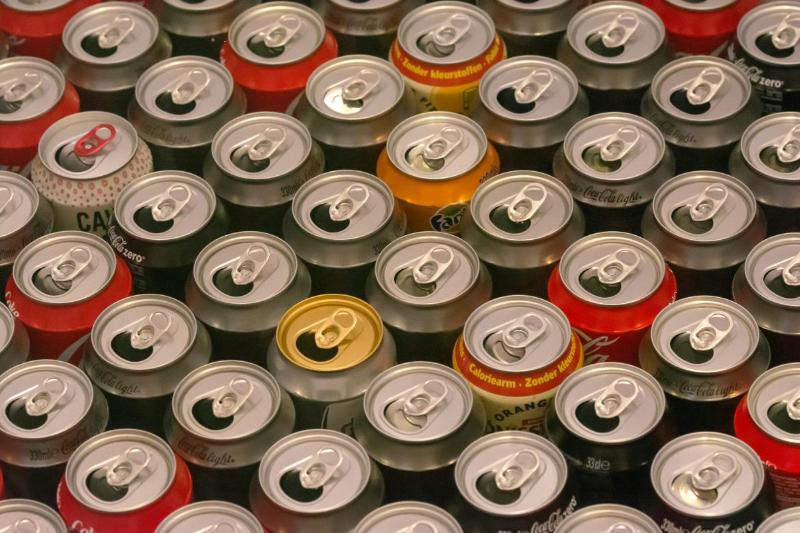
"Bag-in-box and smaller formats all have a role. Nevertheless, the capital investment required to achieve profitable scale is considerable."
The hospitality sector is another obvious and significant hurdle. Alternative vessels are ideally suited to festivals, sporting events and transport hubs. But fine dining menus at £150 a head before alcohol? That's a different matter entirely.
Moreover, notwithstanding its relatively high carbon footprint, glass is based on natural elements, while bag-in-a-box contains an environmental no-no: plastic. Or Beelzebub, as it's known in eco-conscious circles.
"A complete transition away from glass in the near future may be unlikely, but the industry is increasingly prioritising sustainability," notes Anne Bousquet. "While glass remains a core part of wine packaging, we see opportunities for more environmentally-friendly solutions, with businesses seeking partnerships with companies that align with their sustainability goals."
Ironically, the technologies capable of transforming wine packaging have existed for decades: Mouton Cadet started marketing wine in a can in the 1980s. Today, over 80% of wine purchased is consumed within one week. Does it really need to be housed in glass? For much of the market, probably not. And so the question remains: will wine give up a container that has become part of its identity, even if that container is increasingly hard to justify? Or is attachment to tradition stronger than the case for change?

.png)