

- Gemma Boucher
- 2026-02-24


Not long ago, celebrity wines were seen as a novelty, often overlooked and seldom taken seriously. Today, they occupy a fast-growing, commercially significant space in the market, supported by substantial investment, polished branding, and millions of fans and followers. Musicians, actors and sports stars are increasingly embracing wine and spirits as extensions of their personal brands, creating new ways to connect with audiences beyond the stage or screen.
As the category has grown, so too has its pricing ambition. Many of these bottles are now moving into the £15-£30 bracket: the crucial mid-premium tier that the industry has spent years championing as the gateway to better wine. This is the price point where consumers expect a clear step up in quality, winemaking, and a stronger sense of provenance. Yet in the UK, that segment is already under pressure. Rising duties, higher production costs and growing price sensitivity have made it one of the most contested and vulnerable areas of the market.
At the same time, there are signs that the rapid expansion of celebrity wine may be waning. Data from IWSR shows that the pace of celebrity brand launches has slowed since 2022, suggesting the market may be approaching saturation. As growth decelerates and competition intensifies, the question of value becomes harder to ignore, particularly in the mid-premium category.
Against that backdrop, a fundamental question emerges: do celebrity wines strengthen this part of the market, or do they risk undermining it?
Why celebrity wines work
For consumers, a celebrity-backed bottle can ease some of the uncertainty that still surrounds wine. A familiar name offers a point of recognition and can make the category feel more approachable, particularly for younger drinkers. There is also an element of identity and connection: choosing a wine associated with a favourite musician or actor is another way to engage with that world.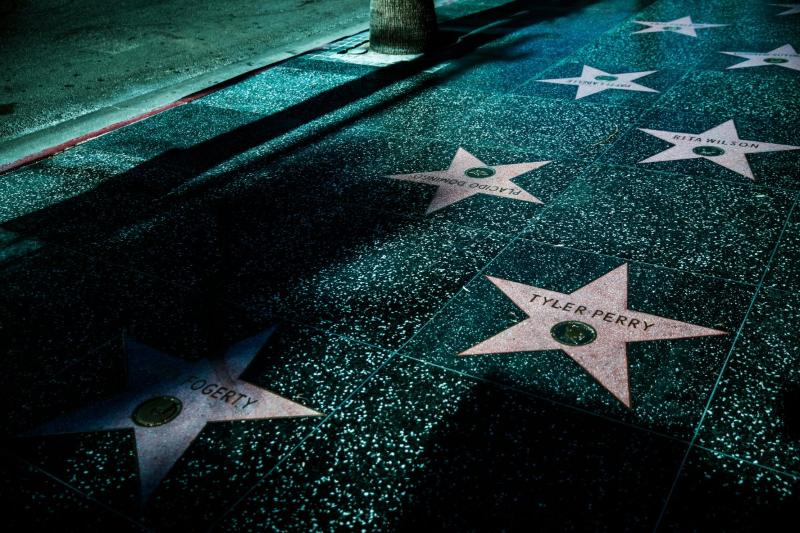
For brand owners, a well-known figure brings instant visibility, a ready-made narrative and, crucially, direct access to millions of followers through social media. As Emily Neill, Chief Operating Officer of Research at IWSR, observes: "With celebrity involvement, a brand immediately has a personality ready-made. Non-celebrity brands, by contrast, have to work over a period of time to create their personality and positioning."
The premiumisation paradox
This growing presence of celebrity wines is especially significant given the wider direction of the market. For years, the wine trade has encouraged consumers to drink less but drink better, placing greater emphasis on quality over quantity. In theory, celebrity wines priced at £15–£30 should support that shift; in practice, the picture is more nuanced.
Award-winning broadcaster and drinks journalist Aidy Smith believes the category is evolving. "There have been plenty of historical examples where celebrity-founded wines and spirits carry a big name, but lack in taste," he says. "That said, over the last few years I feel like we're beginning to enter a new paradigm of increased quality."
As consumers become more selective, buying less but better, Smith argues that emphasis is increasingly shifting from name recognition to what is actually in the bottle. "With more choice than ever, tighter purse strings, and consumers buying less but better, it's been refreshing to see more emphasis put into the taste aspect, beyond solely relying on the name alone to shift bottles from the shelves."
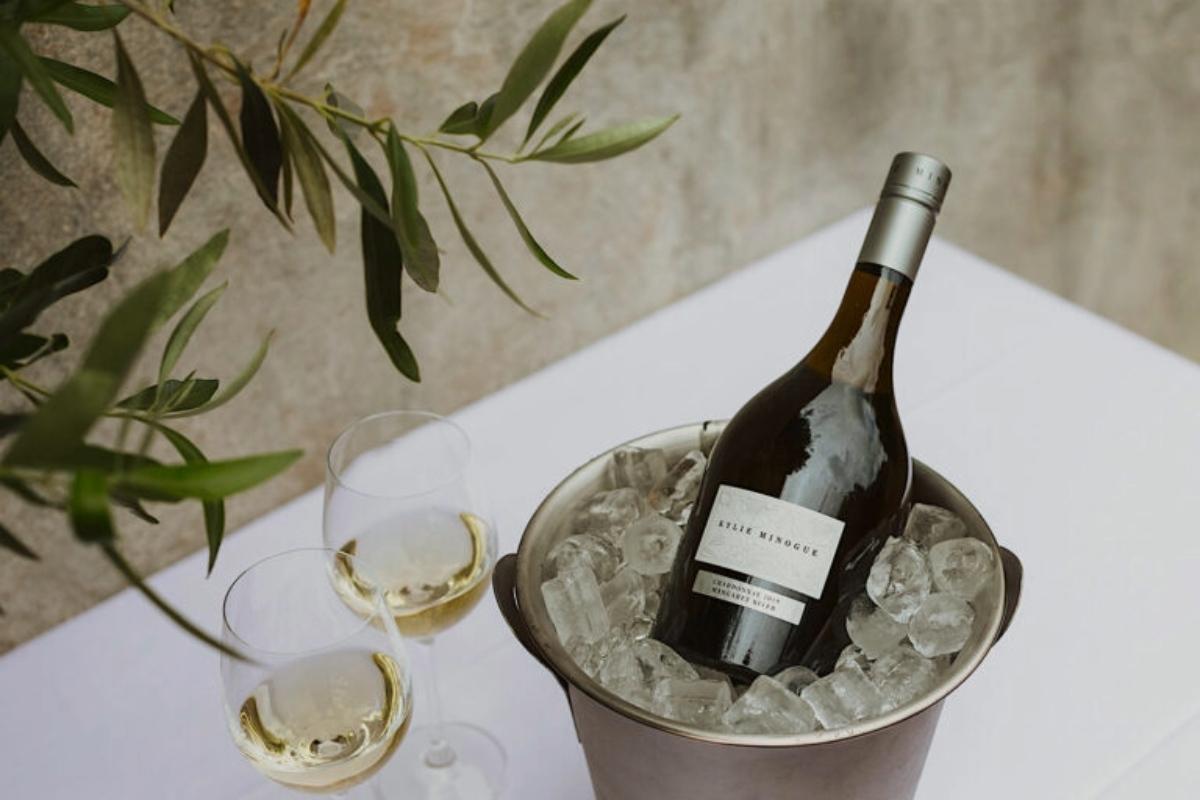
Indeed, there are examples of celebrity involvement that have delivered genuine success. Kylie Minogue's wine range, launched by the Australian singer in 2020, is perhaps the most frequently cited, having sold more than 22 million bottles across over 30 countries. The wines are aesthetically attractive, competitively priced and consistently reliable in quality, an essential factor in turning curiosity into repeat sales.
Della Vite, the Prosecco brand launched by Chloe, Poppy and Cara Delevingne, is another collaboration that has earned credibility with both trade and consumers. Produced in partnership with the Biasiotto family in Valdobbiadene, the wines emphasise sustainability and DOCG status, positioning the brand in the premium Prosecco category rather than the entry-level tier often associated with celebrity launches.
These successes demonstrate that celebrity wines can bring genuine benefits to the category. A recognisable name can encourage consumers to spend a little more and introduce them to new levels of quality and wine styles.
Problems arise when the balance shifts. For Smith, much depends on the level of genuine involvement behind the label. "One of the major differences sits in how much input these notable profiles have when it comes to the liquid in their bottles," he explains. Celebrity founders who "rock up twice a year for a branded video of them blending with pipettes" may generate headlines, but longevity, he suggests, correlates with commitment. By contrast, those who "roll up their sleeves due to an undeniable passion for the grape" are, in his view, producing some genuinely exciting wines..jpg)
However, if branding and short-term publicity take precedence over quality, provenance or long-term partnerships, wines may struggle to maintain momentum once the novelty fades. And in a crowded market, bottles that feel overpriced quickly lose consumer confidence. If drinkers begin to associate the £15-£30 bracket with wines that overpromise and underdeliver, other brands may also suffer, potentially eroding confidence in the tier the industry has worked hardest to build.
Credibility and the future of premiumisation
At a time when wine already faces pressure from health messaging, generational shifts in drinking habits and competition from other beverage categories, credibility has never been more important.
The "drink less, drink better" philosophy depends on consumers believing that higher prices reflect genuine improvements in quality, sustainability and craftsmanship. If a growing share of bottles in the mid-premium segment appears to be driven primarily by branding, that message becomes harder to sustain.
Ultimately, the evolution of celebrity wines marks a turning point for the industry. For this segment to support the future of premium wine, brands must move beyond surface-level appeal and deliver consistent quality, transparency and authenticity. Only then can celebrity labels help build consumer trust, reinforce the value of the mid-premium tier and support a more confident, credible marketplace for wine as a whole.




.png)