



- James Lawrence
- 2026-02-24


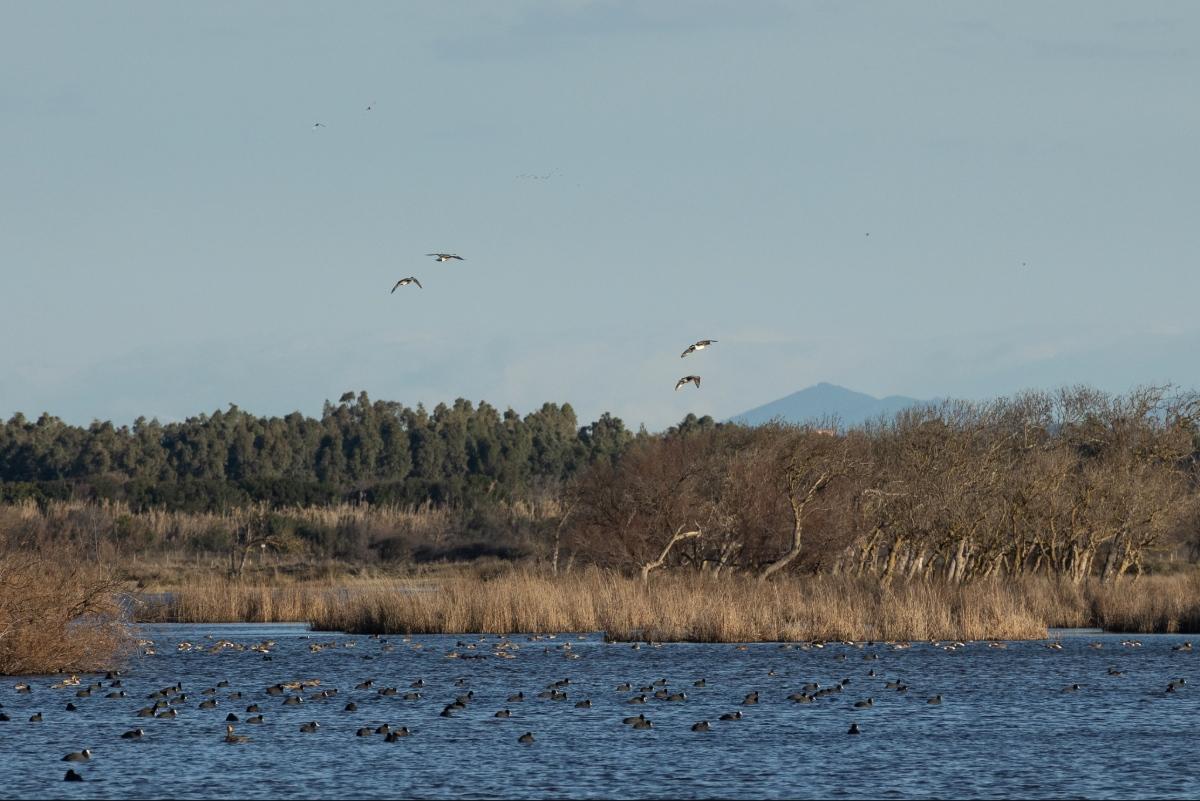
From Australia to the Andean foothills, the pursuit of biodiversity is increasingly becoming a form of religion as producers eschew the certainties of chemical control for more environmentally-sensitive pest management systems. Working under farming frameworks that restrict the use of phytosanitary products, growers must maintain a difficult balance between adhering to a more eco-friendly paradigm, while also safeguarding commercial yields in an era of rising costs. Hedgerows replace bare earth; nest boxes appear between rows, and certain fauna are encouraged to proliferate in the hope of providing a natural defence against grape-hungry predators.
Yet beneath the rhetoric lies a sober reality: encouraging biodiversity can bring substantive benefits, both from a wider ecological and viticultural perspective; however, it is not always tidy, and it is rarely predictable.
"Biodiversity is the key indicator of the health of an ecosystem. The benefit of a micro climate rich in biodiversity means an environment which can recover quicker from unpredictable weather events, contribute to climate stability, pollution break down and absorption, nutrient storage and recycling," says Jo Nash, winemaker at Tahbilk in Victoria.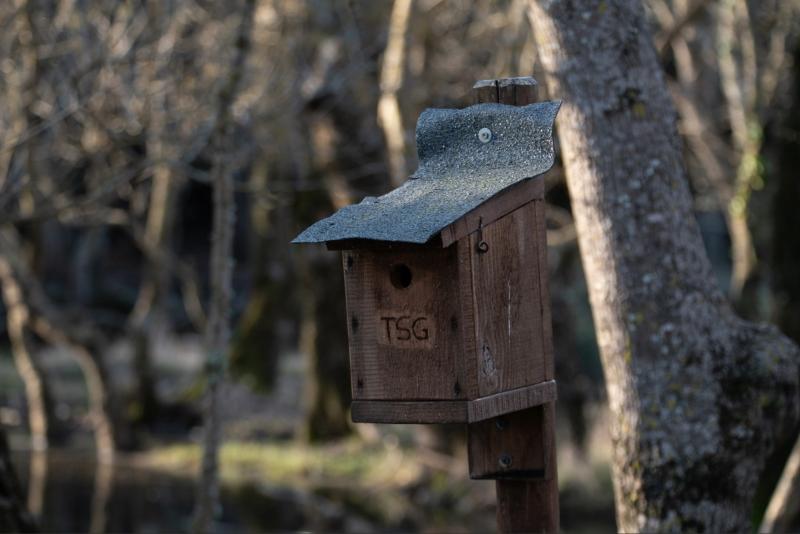
However, Nash freely admits that "there are trade-offs in yield in some years, and it certainly comes at a cost," although she stresses that "it is the right thing to do, which is why we do it."
This tension – between ecological imperative and commercial pragmatism – runs through many biodiversity-led strategies today. By embracing a more holistic approach to vineyard management, producers exchange short-term control for longer-term resilience, accepting that the unpredictability of biological systems is the price to be paid. In practical terms, that may mean lower volumes in certain vintages and greater labour inputs throughout the growing season.
Chaos Theory
At Tenuta San Guido, agronomic director Nicola Politi continues his longer-term observation of how different vineyard parcels behave under different biodiversity conditions. Hillside vineyards surrounded by woodland or interspersed with hedgerows and spontaneous vegetation, he notes, "consistently show lower pressure from certain pests, such as grapevine moth and scale insects, compared to larger, more homogeneous blocks with lower internal biodiversity."
These differences, observed year after year, give the estate a clear indication of how biodiversity directly supports vine health and resilience.
But he adds: "Managing the variability of biological systems is never simple, because many factors interact with one another and even a small change in one of them can disrupt the entire balance."
Nevertheless, advocates of biodiversity accept this trade-off freely, with frequent references to mitigation of risk, thresholds, and the absolute need for constant vigilance. The language is less about elimination and more about equilibrium.
"If introducing beneficial fauna creates unintended effects, the response is to adjust release rates or modify the habitat to bring the system back into balance," says Politi.
Yet he is clear-eyed about the instability inherent in biological control systems. "We cannot be fully confident in the long-term stability of predator–pest dynamics, because plant, insect and microbial communities are constantly evolving and co-evolving," he observes.
"There are no fixed contingency plans, because biological systems do not respond in fixed ways." Indeed, for those of us accustomed to thinking of sustainability as an unqualified good, these admissions are thought provoking. Biodiversity requires patience and an acceptance that outcomes may not be immediate – or desirable.
A plague of ants
Meanwhile, producers in Mendoza have an ant problem. According to insiders, they have a rapacious appetite for vine leaves and young shoots, with no clear remedy or paradigm for eradication. "It's important to understand that ants are a plague that are impossible to eradicate," revealed a candid Franco Bastias, head of agronomy & sustainability at Domaine Bousquet, in 2023.
"So the main focus it's how we can reach a balance between their life and the health of the vineyard."
The difficulty, however, is compounded by the region's sustainability ambitions. Even staunch advocates of organic viticulture, such as Herve Birnie-Scott, founder of Terrazas de los Andes, will concede that ecological virtue can go hand-in-hand with financial pain.
"The biggest challenge, so far, in converting to organic methods has been the ants. There is no efficient organic product to fight them, so you must remove the anthills from your vineyards by hand. And doing it right you still lose as much as 5% of your production," he explains. In a market where margins are already under pressure, five per cent is not insignificant – it's profit.
Claudio Mestre, technical director at Terrazas de los Andes, is equally blunt about the limits of ecological remedies.
"For the time being, we have not found an organic/sustainable way of managing this issue that is efficient enough. We have tried destroying their nest, sulphur, Diatomita (Diatomaceous earth) but so far none of these have worked 100%."
Today, with climate patterns shifting, how confident can producers be that the ecological balances they have fostered - particularly predator–pest relationships - will remain stable?
"I don't think that we can be certain of what climate change looks like moving forward, and what will happen to our eco-systems," says a frank Jo Nash. "All we can do is continue to monitor the effects and change as we go. There are a lot of considerations with the climate changing, biodioversity is just one of them."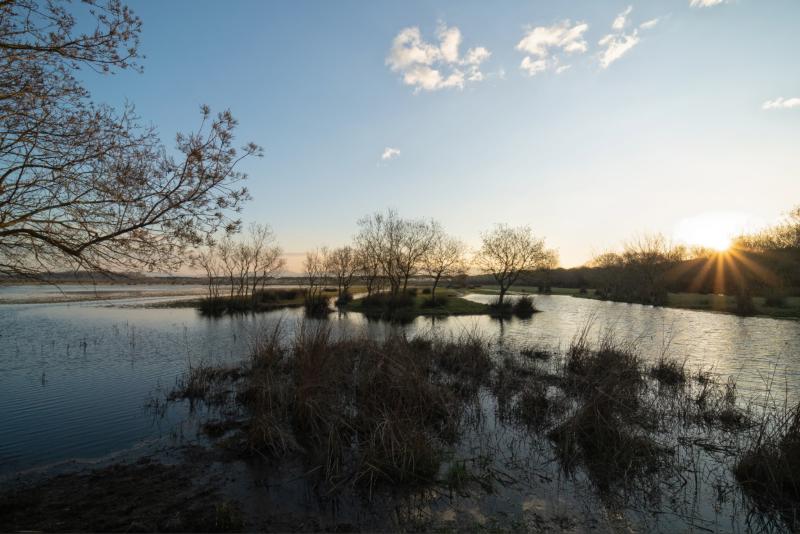
For producers like Tahbilk, biodiversity, despite the risks, offers a compelling narrative of resilience. It promises reduced reliance on synthetic inputs, healthier soils, and the considerable rewards of encouraging diverse fauna and flora to flourish. It also aligns neatly with the sustainability expectations of buyers and consumers – particularly in mature export markets.
Yet coexistence with nature is not always plain sailing. Encouraging biodiversity may be one of the most fashionable movements of the 21st century, but it is also a strategic gamble that requires growers to accept uncertainty, cost, and occasionally, loss.




.png)