


- IWC Insight
- 2026-02-12


In a year when margins are tight and logistics rarely straightforward, the practicalities of entering a wine competition matter just as much as the judging itself.
At the International Wine Challenge, two considered but meaningful updates for 2026 are designed to make participation more efficient for producers — particularly those shipping internationally.
The first is simple: IWC now requires three bottles per entry instead of four. On paper, it is a modest adjustment. In reality, across multiple entries and export markets, it reduces weight, freight costs and administrative handling. For producers carefully managing allocations and costs, that reduction is not insignificant. Quite simply, every bottle counts.
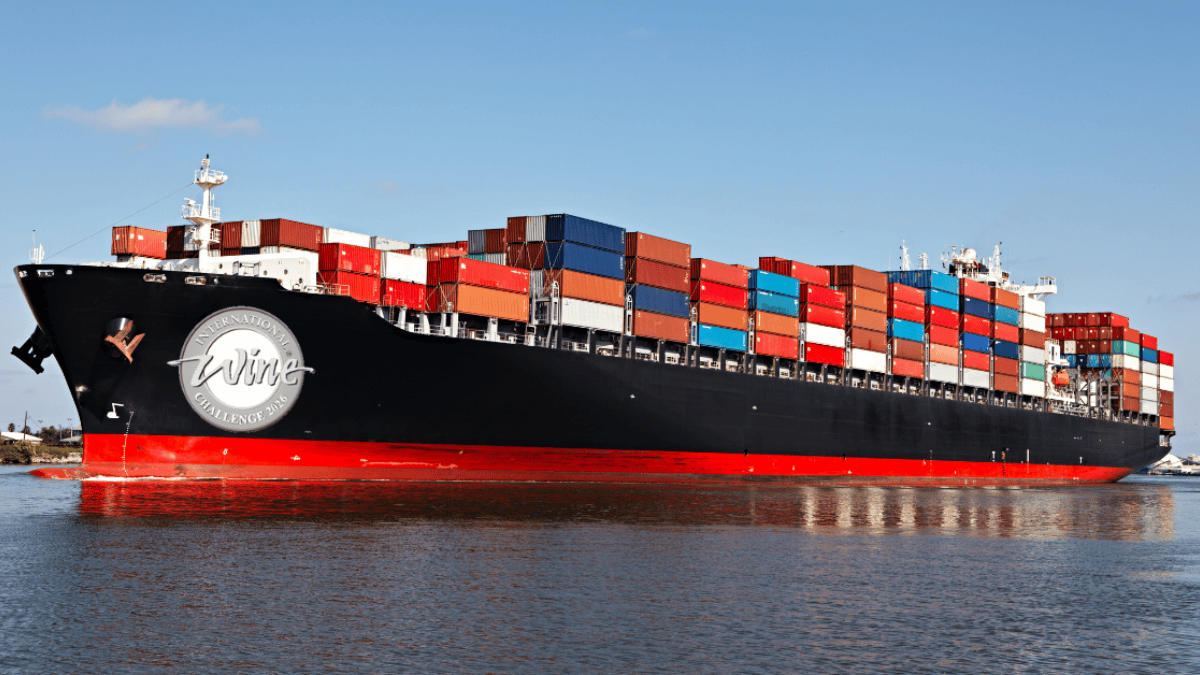
The second consideration is shipping. As in previous years, consolidated shipping is available through Hellmann, allowing producers to send wines as part of a grouped consignment. For many, this removes much of the uncertainty around customs documentation and individual courier arrangements, while also helping to control costs during a busy export period.
For 2026, consolidated rates have been reduced compared to last year — part of a wider commitment to keeping shipping costs under control at a time when producers are facing sustained margin pressure across markets. The updated fees now include UK duty, taxes, customs clearance, handling and storage within a single per-entry rate, providing clarity and predictability around the total landed cost - often more competitive than private courier alternatives.
Consolidated shipments operate to fixed schedules. The deadline for the current Hellmann tranche is 6 March 2026, with online entry required by 28 February for those using this service. As always, late arrivals cannot be accepted, and shipping schedules are strictly observed.
Each case must travel with the official IWC commercial invoice template and delivery label to ensure smooth customs processing. Approved Hellmann contacts are listed on the IWC website, and local agents can confirm country-specific collection deadlines and documentation requirements.
Full shipping details and key dates can be found here.
Behind the logistics sits the reason many producers continue to prioritise IWC. Wines are tasted blind, across multiple stages, by international panels — a process designed to ensure consistency and fairness year after year.
For some, the relationship spans decades.
"As every year, also this year we have decided to participate in your challenge. I think the first year we started was exactly 1999, as Balciana won the White Wine Trophy. We owe you a lot as a winery and as a family. Thanks to that award, the perfect timing, and to Balciana, Sartarelli has been able to grow and go through challenging times and wonderful times, too. Grazie infinite." — Caterina Chiacchiarini Sartarelli
While shipping details and bottle counts may feel procedural, the impact of recognition can resonate far beyond a single vintage - shaping export growth, distribution opportunities and long-term reputation.
With reduced bottle requirements and structured logistics support in place, entering is more streamlined this year. What remains unchanged is the standard - and the fixed judging timetable. 6 March will arrive quickly.
Producers planning to participate would be wise to secure arrangements now.




.png)