


- James Lawrence
- 2026-02-24


Region: Maldonado, Atlantic Coast, Uruguay
Founded: 2007
Owners: Alejandro and Bettina Bulgheroni
Vineyard holdings: 240 hectares (within a 700ha estate)
Lead Winemaker: Germán Bruzzone
Winemaking consultant: Alberto Antonini
Annual production: Approximately 2.2 million litres (maximum winery capacity)
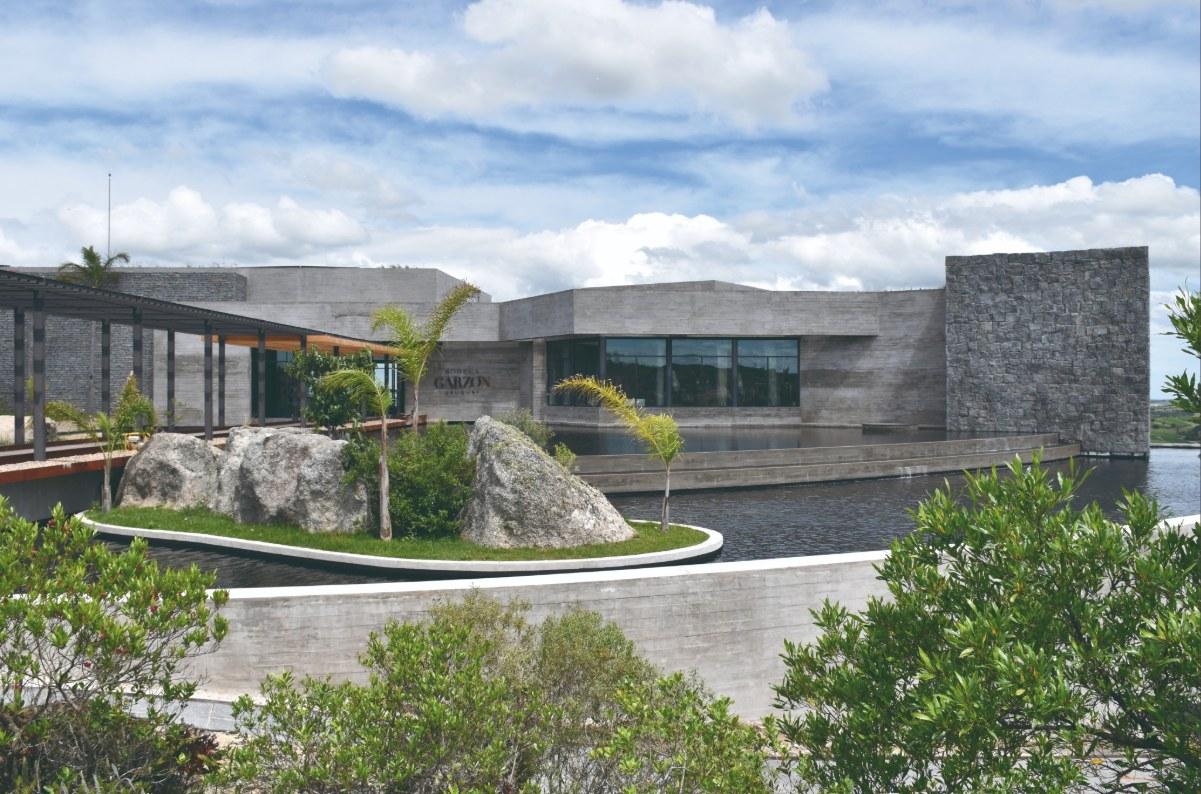
At first glance, Bodega Garzón's origin story is decidedly unassuming. Founded by Argentine billionaire Alejandro Bulgheroni, this 700-hectare estate was once dominated by olive groves and Instagram-friendly vistas – a pleasant weekend destination for the family. Yet following a visit to the property in 2007, the renowned Italian oenologist Alberto Antonini convinced the owners that Garzón had the potential to be far more. Described by Bulgheroni as a project that "blends innovation, sustainability, and authenticity," what began as a hefty capital investment from a wealthy businessman has, over the last decade and a half, become the standard-bearer for premium wine from Uruguay.
According to Antonini, his purpose from the beginning was to craft wines of unmistakable Uruguayan identity with genuine international resonance. "The vineyards are located just eighteen kilometres from Uruguay's Atlantic coast, at 525 feet above sea level," he explains. "The estate is divided into more than 1,100 plots, each with its own microclimate, orientation, humidity, sun exposure, and soil composition." Indeed, rather than maintain sprawling monocultural blocks, Garzón's model is one of microscopic precision: growers typically farm parcels of 0.2 hectares each, "carefully matched to specific varieties according to soil type and microclimate."
The estate's winemaking philosophy is also one of precision and restraint. Under the close watch of consultant Alberto Antonini – with Germán Bruzzone overseeing day-to-day vinification – Garzón eschews heavy extraction, favouring instead minimal intervention, moderate oak use, and an emphasis on elegance over brute force. Fermentations take place primarily in a combination of stainless-steel and concrete; traditional barriques have largely been replaced by these more 'neutral' vessels and large, untoasted oak vessels "to preserve varietal character and transparency of place."
Antonini says: "This light-touch approach ensures wines that balance freshness, structure and Atlantic-influenced vibrancy, with clarity of fruit and a strong sense of origin." Garzón's portfolio is led by the Estate and Reserva wines: above them, single-vineyard bottlings reveal the nuances of specific terroirs, showcasing a level of typicity that speaks to meticulous viticulture and site-specific selection. Key varieties cultivated include Tannat, Albariño, Cabernet Franc, Sauvignon Blanc, and Marselan.
The property's flagship, however, is the justly venerated Balasto, named in homage to the stone fragments that litter the surrounding vineyards. Crafted from the very best parcels, it offers a depth, poise and architectural precision that is rare even among South America's A-list.
Of course, Garzón's story isn't confined to icon wines and stony soils. Long before sustainability became a marketing buzzword, the owners pursued certification at a level unrivalled in the Southern Hemisphere. "Built into natural terraces to maximise energy efficiency, the winery operates using a gravity-flow system to minimise mechanical handling during production. Renewable energy sources, including wind and solar power, further reinforce its environmental commitment," says Bulgheroni. In 2019, the winery became the first in the world to earn LEED Silver certification for its entire set of facilities – a distinction that encompasses not only the production areas but also hospitality and vineyard operations.
Today, Bodega Garzón carries a heavy responsibility – it remains a defining voice in Uruguay's developing industry, one of the few brands that carries truly international recognition. In a world where story, terroir and sustainability increasingly matter, it delivers a masterclass in shrewd marketing. A 'First Growth' in everything but name.
Q&A: Alberto Antonini, Consultant Winemaker, Bodega Garzón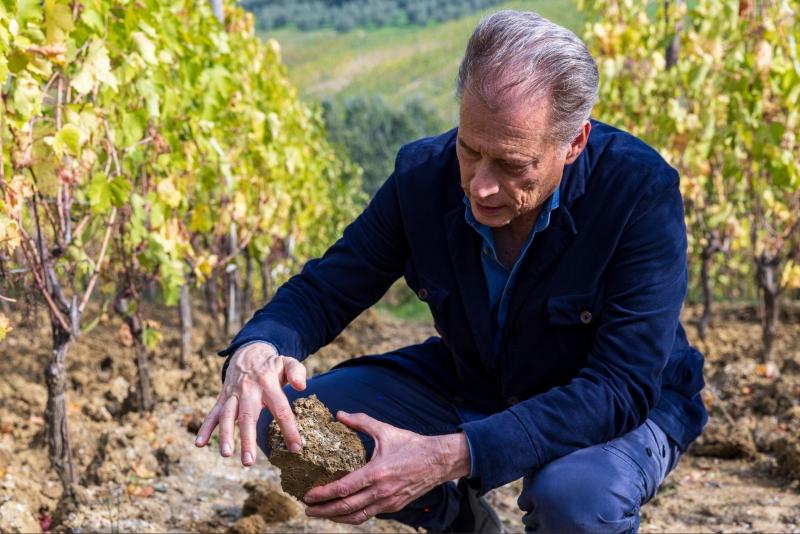
The winery has achieved world-first LEED certification for its entire operation and incorporates gravity flow, renewable energy and other sustainability measures. From a technical perspective, what innovations have had the greatest impact on wine quality?
Gravity flow has been essential in preserving grape integrity from the vineyards to the tanks. In addition, installing the cooling system (piping) within the concrete tank walls ensures smooth and uniform temperature control of the juice. This promotes better activity of the indigenous yeasts, resulting in a natural and gentle fermentation process.
How has your approach to vinification evolved at Garzón over successive vintages?
At the very beginning of the project, we carried out several trials using traditional 225L barrels, concrete tanks, and large untoasted casks. We found that the purity, authenticity, and vitality achieved with concrete and cask were more aligned with our mission: to preserve the integrity of the flavours and aromas shaped by the combination of granite mother rock, grape variety, and Atlantic Ocean climate.
Bodega Garzón has played a pivotal role in putting Uruguayan wine - particularly Tannat and Albariño - on the world stage, and was recently ranked among the top vineyards globally. From your perspective, what is the next vital stage in the country's wine evolution?
The country is now focused on establishing its reputation as a producer of high-quality wines - not only reds - and is constantly evolving with a dynamic approach. There is growing interest in developing a wider range of grape varieties, such as Cabernet Franc, Marselan, Mencía, and others, in order to maximise the potential of its diverse terroirs. One region in particular, Maldonado - pioneered by Garzón 20 years ago - has proven to offer an exceptional environment for producing premium wines. Today, it is becoming one of the most exciting areas for new high-end vineyard developments.




.png)