
.jpg)
Regenerative viticulture is the topic du jour among environmentally-focused wineries. Yet questions remain about how clearly it is defined and regulated, says Gemma Boucher.
Few terms in the wine world have gained traction as quickly in recent years as "regenerative." Producers, importers and retailers are increasingly using the term to signal a deeper level of environmental commitment, promising healthier soils, greater biodiversity and vineyards better equipped to cope with climate change.
For a growing number of advocates, regenerative farming represents something more ambitious than sustainability alone. Often described as a farmer-led movement, it focuses on restoring soil health, improving farm profitability and increasing wildlife across agricultural landscapes. In an era of rising costs, extreme weather and heightened scrutiny of environmental practices, that vision is understandably appealing.
As regenerative viticulture shifts from a niche philosophy to a mainstream marketing concept, evidence of real impact, rather than good intentions, becomes critical to its credibility.Unlike organic or biodynamic farming, which have global governing bodies to oversee standards, regenerative wine still occupies a grey area. It is widely discussed, increasingly adopted, but often loosely defined. For consumers, this can be confusing. For the industry, it raises the question: if almost anyone can claim to be regenerative, does the term risk losing its meaning?
What does regenerative mean?
According to the Regenerative Viticulture Foundation: "Regenerative viticulture is a system of farming grapes that restores and enhances soil health. It creates a biodiverse, climate-resilient vineyard ecosystem. It goes beyond sustainability by actively rebuilding the natural systems that support vineyard resilience."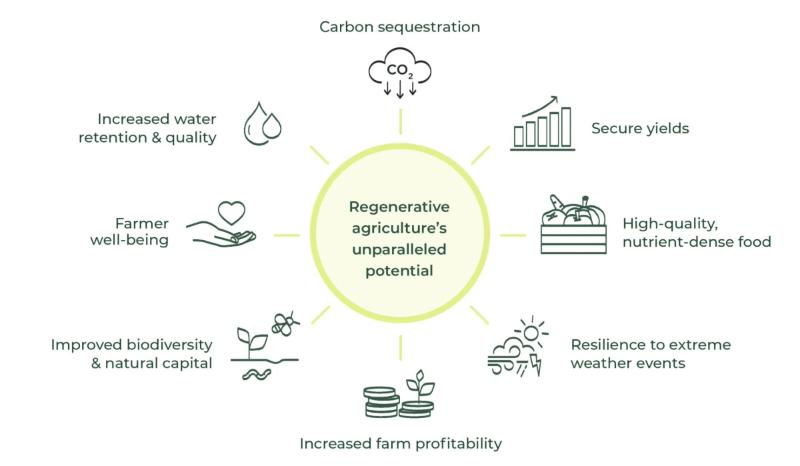
At its core, this approach is about improving the land rather than simply maintaining it.
Organic certification, by contrast, is governed by clearly defined rules about what may and may not be used in the vineyard, especially regarding synthetic pesticides, herbicides and fertilisers. Biodynamic farming goes a step further by incorporating a holistic, systems-based approach using specific preparations and lunar cycles.
Regenerative viticulture differs in that it focuses less on inputs and more on outcomes. A vineyard may technically meet organic standards but still suffer from degraded soils or limited biodiversity. Regenerative farming aims to address this imbalance. However, the central challenge is that outcomes are more difficult to define and even harder to measure.
Changes in the vineyard
For growers who adopt regenerative practices, the most visible changes often begin with the soil. Bare, tilled vineyard floors are replaced with diverse cover crops,tractor passes may be reduced, and compost or other organic matter provide nutrients for the vines. In some cases, sheep or other livestock graze between rows. This naturally controls vegetation without the use of machinery, while also improving soil fertility. These practices can improve water retention, reduce erosion and increase resilience to extreme weather.
There is also growing interest in the role of regenerative farming in carbon sequestration (the process of capturing and storing atmospheric carbon dioxide). Healthier soils can store more carbon, potentially reducing the overall environmental footprint of vineyard operations. However, accurately quantifying these gains remains difficult.
Biodiversity is another significant benefit. Regenerative vineyards often support a greater diversity of insects, birds and plant life, contributing to a more balanced ecosystem and, in some cases, reducing reliance on chemical interventions or heavy machinery.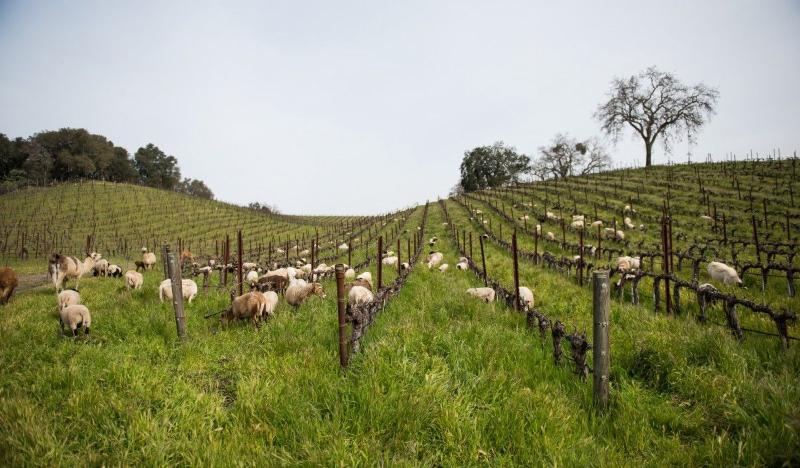
Nevertheless, while the principles are widely accepted, robust data is still emerging. Soil health can be measured through organic matter content, microbial activity and water infiltration rates, but these indicators vary by region, soil type and climate. Meaningful results may take years to appear, making short-term comparisons difficult.
For many producers, regenerative viticulture is therefore less about immediate results and more about long-term observation and gradual change.
Beyond the concept
A growing number of producers are beginning to experiment with regenerative principles, adapting techniques to suit their specific terroirs and growing conditions.
Champagne Perrier-Jouët, for example, launched an experimental regenerative viticulture programme in 2021, which now spans more than 40% of its vineyards. Initiatives under trial include biomass-rich cover crops, elements of vitiforestry, and the establishment of green corridors, with a focus on restoring soil health, fostering biodiversity and improving the vines' resilience in the face of climate change.
A similar approach can be seen at Maison Mirabeau in Provence, where regenerative principles are being introduced gradually, beginning with a detailed ecological baseline study to assess soil quality, flora and fauna. Establishing a benchmark allows the team to monitor how the vineyard ecosystem evolves over time. Initial work has focused on sowing cover crops between the vines to improve soil structure and microbial life, while plans are underway to plant more than 100 fruit and nut trees. Beyond increasing biodiversity and attracting pollinators, the goal is to move the estate away from strict monoculture and towards a more diverse and balanced agricultural system.
The challenge of definition
As interest in regenerative viticulture grows, producers are increasingly concerned about greenwashing. For those who have invested heavily in regenerative practices, it is frustrating to find themselves forced to compete with wines making similar claims but supported by far less rigorous implementation.
Some efforts are being made to introduce greater standardisation. One of the most prominent frameworks is Regenerative Organic Certified® (ROC), a voluntary certification launched in 2017 by the Regenerative Organic Alliance, based in Sacramento, California. Designed to go beyond standard organic certification, ROC requires producers not only to improve soil health but also to meet standards for biodiversity, animal welfare and social fairness. So far, however, uptake has been relatively limited. Currently, just 38 producers from eight countries have achieved certification, reflecting both the high bar it sets and the practical complexity of implementation.
Certification: solution or compromise?
Certification provides reassurance to consumers, helps create a level playing field, and reduces the risk that "regenerative" becomes little more than a marketing term. But it also raises practical questions.
One of the strengths of regenerative viticulture is its flexibility. Vineyards vary enormously in soil, climate and scale, and some growers worry that rigid certification frameworks could impose a one-size-fits-all approach. Cost is another consideration: certification requires time, record-keeping and investment, which may be difficult for smaller producers.
For now, the sector appears to be in a transitional phase, similar to the early years of organic farming, balancing credibility with accessibility and freedom to innovate. However, if the balance is achieved, regenerative viticulture has the potential to represent something genuinely significant: a shift from minimising harm to actively improving vineyard ecosystems.

Get expert insights, weekly highlights, and exclusive stories from the world's most trusted wine competition.