



- Gemma Boucher
- 2026-03-24


Momentum is building in the fine wine auction market. Rising values, increasing volumes, and renewed confidence in provenanced, ready-to-drink bottles all point to a broader shift in buyer behaviour.
At a time when the industry is rocked by uncertainty, the market for mature fine wine is gaining momentum despite a challenging backdrop. In 2025, the threat of US tariffs of up to 200% on European wines loomed over the industry, while in the UK, the Autumn Budget introduced a 3.66% rise in alcohol duty. Global wine consumption slumped to a 60-year low, and inflationary pressures continued to take their toll on consumers.
Despite what might appear to be the perfect storm, the UK wine market has shown remarkable resilience and is forecast to reach US$36.3 billion by 2033, growing at a compound annual growth rate (CAGR) of 3.65% between 2025 and 2033, according to figures from IMARC Group.
Secondary market surge
Fuelling this resilience is a surge in auction activity. The most traction has been in mature fine wine sales, as buyers are increasingly interested in rare, ready-to-drink bottles.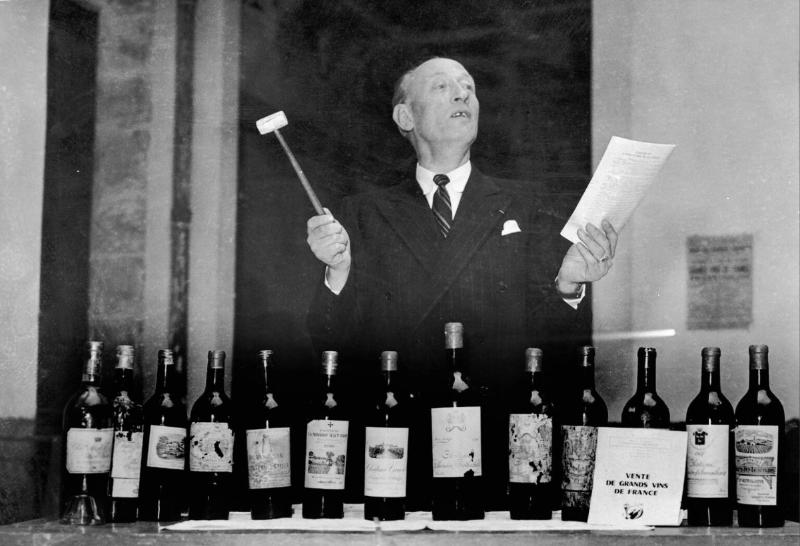
Sotheby's recorded US$127.5 million in sales from its wine and spirits division in 2025, with Europe emerging as the strongest region, driven by sales in France and the UK. This represents an increase of nearly 12% year-on-year, and is more than double the level recorded a decade ago.
In September, US wine auction house Zachys drew headlines for the sale of a wine collection previously belonging to Jacqueline (de Rothschild) Piatigorsky, granddaughter of the purchaser of Château Lafite in 1868. The auction realised a staggering US$11,160,375, far exceeding its US$2.8 million pre-sale estimate. More than 98% of lots sold, including three bottles of 1875 Giscours for US$106,250.
Changing buyer behaviour
Behind these figures is a shift in collector psychology. There is a growing appetite for immediate drinkability, high-quality matured vintages, and genuine rarity. Sotheby's has noted that wine, alongside rare spirits, is increasingly being treated by collectors as both a consumable luxury and a long-term investment.
In addition, high-net-worth, often younger individuals - particularly from Asia and the US - view bottles from prestigious producers as 'blue-chip' assets. The most sought-after include Domaine de la Romanée-Conti, Krug Champagne, and top Bordeaux estates. These bottles are considered alternative investments, similar to art or classic cars, valued for their rarity and strong secondary-market demand.
A further driver of demand is the reduced risk that mature wines present. Buying young wines, particularly en primeur, demands confidence, not only in the producer and vintage, but also in long-term cellaring, future market performance, and anticipated drinking windows. Mature wines eliminate much of this unpredictability. For many collectors, especially those building cellars later in life or seeking immediate enjoyment, this is an increasingly attractive option.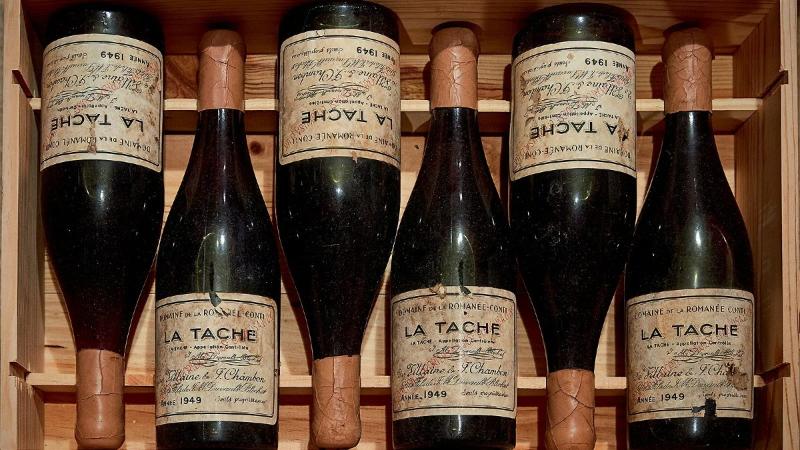
This growing preference for mature fine wine contrasts with traditional systems like Bordeaux En Primeur, which are showing signs of decline. Liv-ex's 2025 Year In Review Report described the 2024 En Primeur campaign as "fairly disastrous," with top UK merchant sales down 60% and offers "met with buyer apathy," according to the report.
Yet, at the same time, French-based online platform iDealwine reported annual sales over €42 million - a 9% increase on the previous year. The online auction house credits the increase to digital-first auctions and a new generation of collectors moving beyond traditional buying patterns.
How trade is adapting
What are the implications for traditional wine merchants and online retailers, many of whom depend on early allocation schemes to sustain cash flow? For some, this has meant diversifying and offering customers the opportunity to buy mature vintages, alongside traditional E.P systems.
The Wine Society now offers a specialised Museum Release programme, which features wines that are "secured on release, then matured in the perfect conditions of our cellars until ready to enjoy."
Meanwhile, Berry Bros. & Rudd, Britain's oldest fine wine merchant, held its inaugural auction in 2024, achieving a 100% sell-through rate across 575 lots, including £7,500 for a 1969 Clos de la Roche Ponsot magnum - three times its estimate.
A changing fine wine landscape
The appeal of mature bottles reflects a wider change in buyer behaviour. In uncertain times, many collectors seek reassurance, favouring wines with provenance and, above all, those ready to enjoy now.
For merchants and producers, this shift brings both challenges and opportunities. Models built around long-term cellaring and futures sales may need to adapt, while those able to offer perfectly stored, ready-to-drink wines are seeing strong demand.
Auctions and digital platforms, once seen as side channels, are now becoming an increasingly important part of the fine wine ecosystem. As the broader market faces headwinds, the auction sector highlights what the trade sometimes forgets: great wines are meant to be drunk - and buyers now want to drink them sooner rather than later.




.png)