

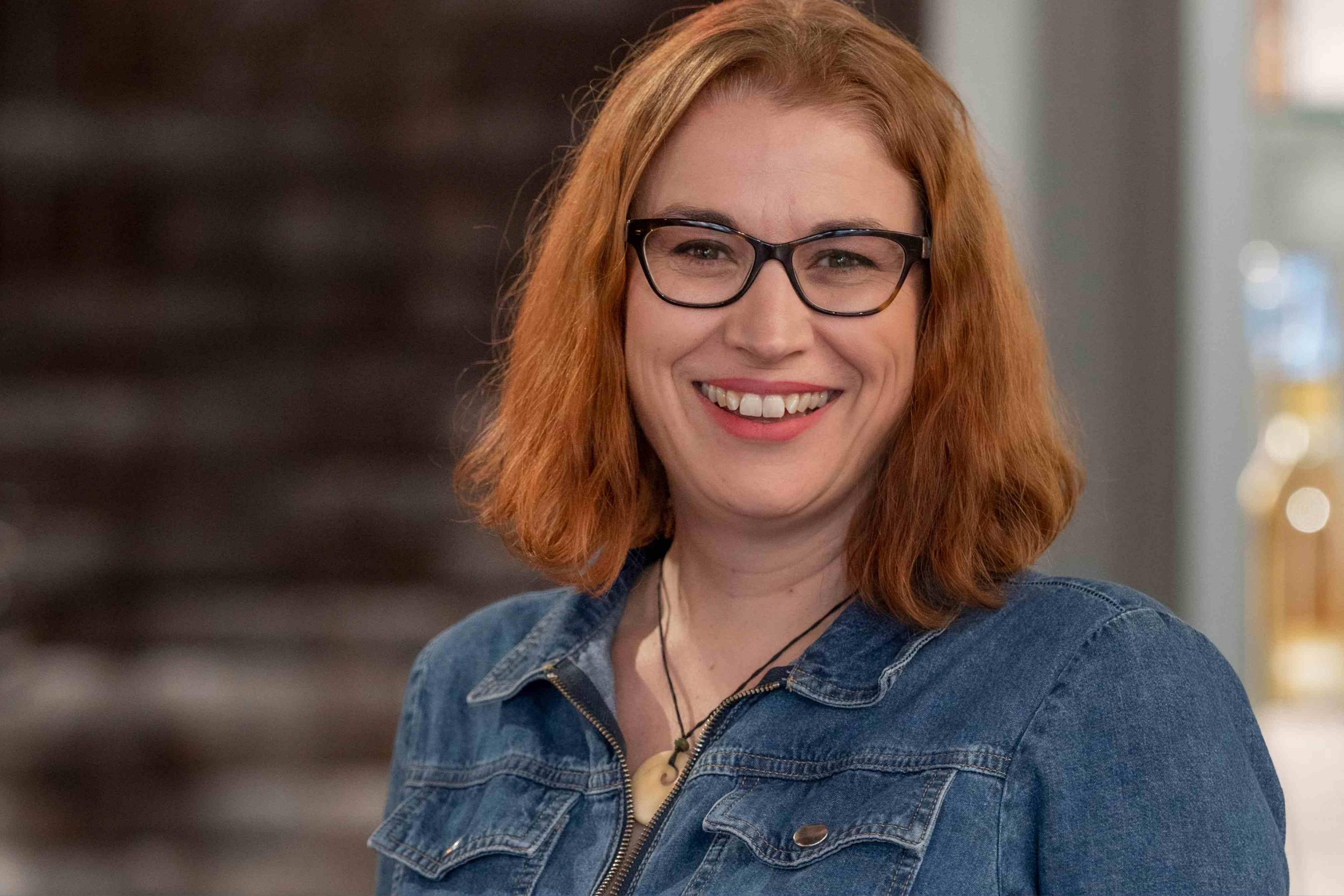

- James Lawrence
- 2026-05-05


Tell us more about your journey to becoming head buyer at The Whisky Exchange.
I started my journey working in restaurants where I developed my passion for wine, and I was lucky enough to work for some of the leading restaurants in London, tasting some incredible wines along the way. I then moved to Selfridges, where I led their wines and spirits department, developing a love for spirits as well. I stayed there for nine years, and during that time, I passed my Master of Wine. I was approached by brothers Rajbir and Sukhinder Singh to move to The Whisky Exchange to lead the buying team, where I remain today.
Over the course of your career, how has your buying philosophy evolved?
I think my principles have stayed the same to a degree, in that it's firstly about the quality and provenance of the liquid itself. I have always been passionate about putting the liquid first. However, as I have moved from on-trade to retail, other things have also come into the mix. Price, of course, has always been relevant, but I have also been focused on packaging. Also, being a buyer for wholesale and retail, you have to put yourself in your customers' shoes and really understand what they want and what is important to them. Sustainability and transparency have also become increasingly important in recent years.
How would you describe the current buying environment, and what has been the most difficult trade-off you've had to make recently?
It is becoming increasingly challenging to be a buyer in the current climate. You have to constantly monitor pricing, which is moving day to day across other retailers. There is more emphasis than ever on promotions and driving sales, while reducing stockholding without compromising on newness has become more and more challenging. However, on the flip side, moments of adversity tend to sharpen focus, creativity, and resilience. We have been through challenging times before, and as a community we will face it together - as we are doing now.
As someone deeply embedded in both fine wine and broader retail trends, what emerging regions, styles, or production philosophies are genuinely influencing your buying decisions today - and which ones do you think are overhyped?
On a personal note, I would love to see more restaurants bring back the digestif trolley. Across wines and spirits, sustainability and transparency are focuses for us as our customers are demanding it more and more. On a more controversial note, I don't believe people in the UK are significantly reducing their alcohol consumption by switching to non-alcoholic products. These products are growing, but from a very small base, so the percentage increases appear stronger than they are.
In reality, I believe people have less disposable income and are therefore being more considered in what they buy. Following a period of heavy spending, many consumers are also overstocked, and the secondary (or 'flipping') market has slowed considerably. As a result, people are now buying products because they genuinely want to drink and enjoy them - which is ultimately what we all want.
Sustainability, transparency, and changing drinking habits are often cited as key trends - how are these forces concretely impacting what you choose to list, and how do you separate long-term shifts from short-term noise?
I absolutely look at both long-term shifts and short-term trends to make my buying decisions, both because it is important for the sustainability of the planet, but also because it is what the customers are asking for. Bottle weight has always been an issue for me; however, due to recent UK legislation, we now have a stronger argument for pushing back, as heavier bottles incur higher costs to sell and distribute.
In order to distinguish between short-term shifts and long-term trends, you often have to look to the past to predict the future. We can see how people evolve in their drinking habits over generations, and it is important to use that knowledge to predict where things will go. It is also important to look at wider trends outside the industry to ensure that you can see where things are moving.




.png)