


- James Lawrence
- 2026-01-13


Region: Marlborough, New Zealand
Founded: 2009
Owner: Kevin Judd
Vineyard holdings: Not publicly disclosed; fruit sourced from long-term partner growers and leased vineyards
Lead Winemaker: Richelle Tyney
Annual production: Exact volumes not publicly disclosed
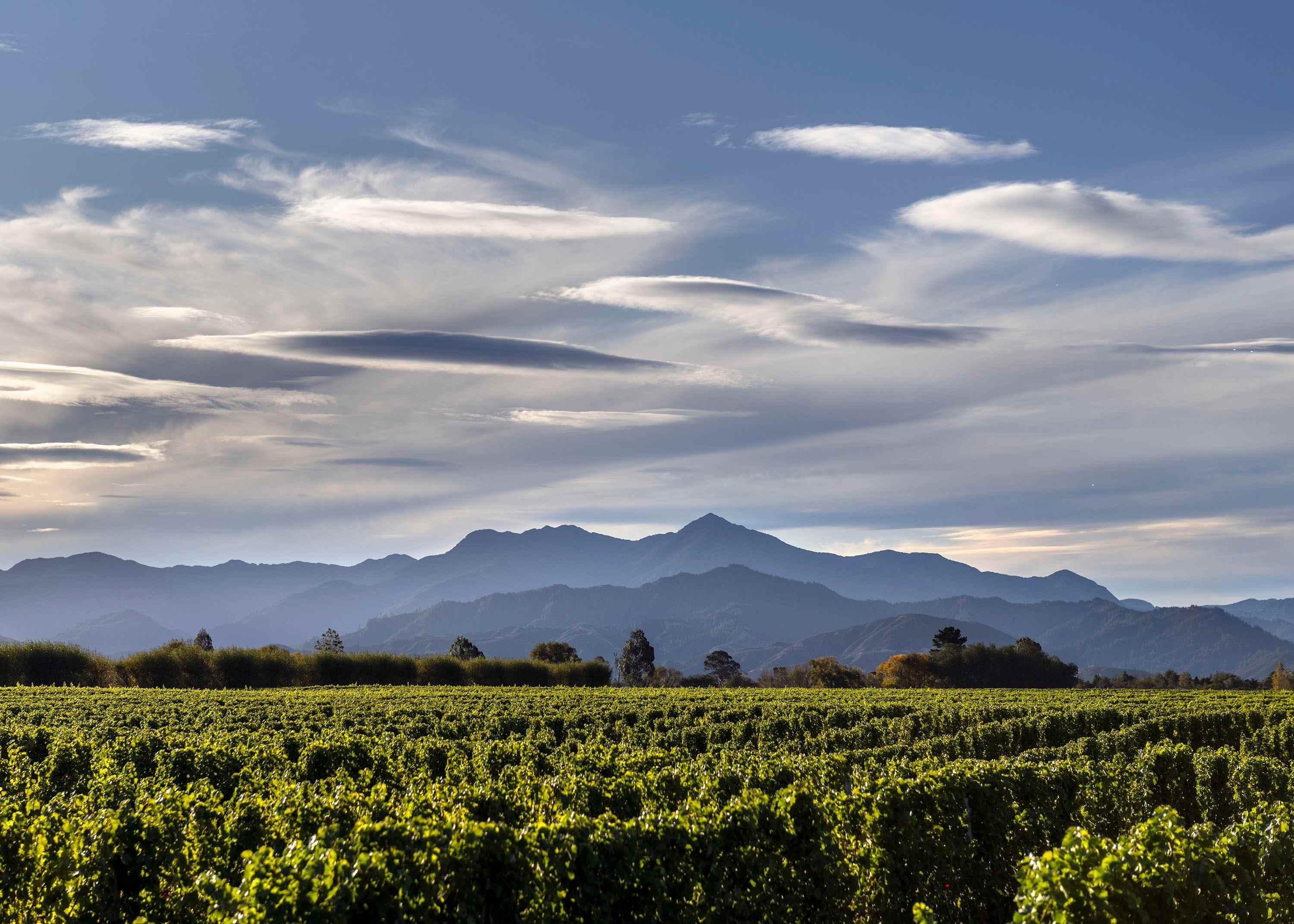
Now regarded as one of New Zealand's benchmark fine wine producers, Greywacke's emergence as a seminal Marlborough label has been a long time in the making. The brand – its name referencing the ubiquitous grey river stones found throughout Marlborough's rivers and alluvial soils – was first registered in 1993, while Kevin Judd was still forging a name for himself at Cloudy Bay. But after 25 vintages as founding winemaker at that iconic estate, he decided to go it alone in order to pursue a more personal, hands-on vision. Today, Marlborough is synonymous with intensely aromatic, commercially dominant Sauvignon, yet Greywacke stands out not for scale but for the depth and individuality of its wines, including exceptional Pinot Noir and Chardonnay.
Unlike many high-quality estates anchored by significant owned vineyards, however, Greywacke operates through close partnerships with growers, acquiring fruit from superior terroirs in Marlborough's central Wairau Plains and the Southern Valleys. According to Judd: "Beyond our Home Block Pinot Noir vineyard, Greywacke sources its fruit from long-term partners and established vineyards - with a growing percentage of grapes being certified organic. Sustainable Winegrowing NZ classifies Greywacke as a Category 2 winery, with its annual sales above 200,000 litres." Viticulture is guided by sustainability and restraint: canopies are carefully managed to restrict yields, while berries are picked at their optimum ripeness, balancing flavour concentration with natural bright acidity. This is a brand made in the vineyard, and not the fermentation tank.
Yet Judd's well-earned reputation as a phenomenal winemaker is most definitely part of the Greywacke magic. He works alongside Richelle Tyney, who joined the estate in 2021 and brought a strong alignment with Judd's minimal-intervention philosophy. Hand-crafting the wines at the Omaka Valley-based winery, Tyney and Judd produce a tightly focused range that reflects both site expression and stylistic intent. The signature Sauvignon Blanc is a polished, refined example of the grape, while Greywacke Wild Sauvignon, fermented entirely with indigenous yeasts, delivers textural complexity and just the right amount of 'funk', making it a sommelier favourite. Meanwhile, both the Pinot Noir and Chardonnay are produced in smaller volumes, offering structural depth and impressive ageing potential.
For the trade, Greywacke delivers handsome rewards: critically lauded wines with strong brand recognition that sell themselves. Bridging the gap between regional familiarity and stylistic nuance, Greywacke is both commercially compelling and effortlessly authentic.
Q&A: Kevin Judd, Founder, Greywacke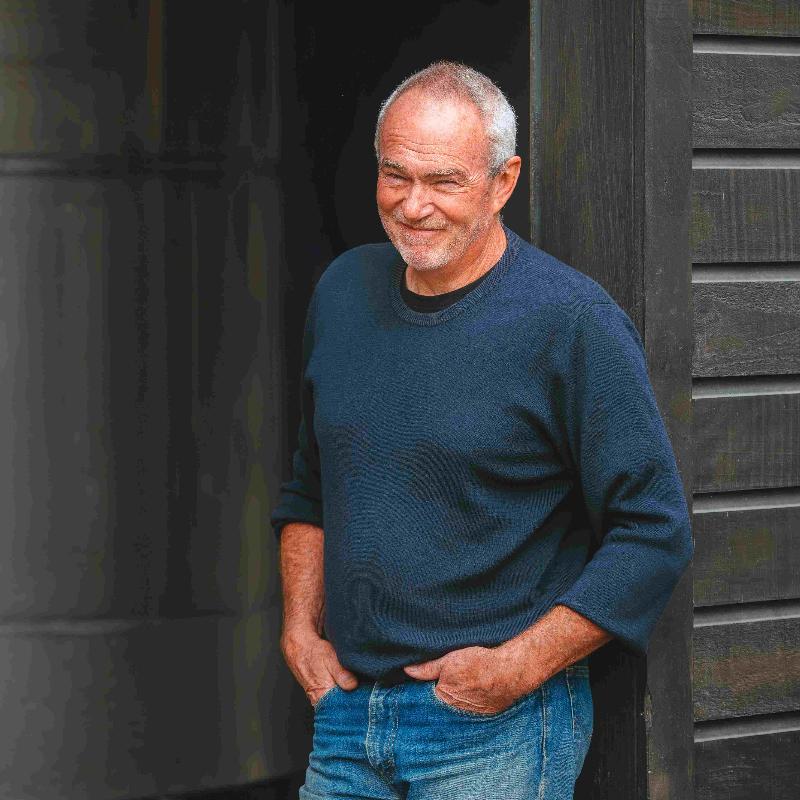
1.) From the outset, what was your vision for Greywacke - how explicitly did you set out to do something different?
Greywacke has always been a celebration of place; a family winery driven by the desire to produce wines with true varietal and seasonal expression. After a couple decades in Marlborough, Kimberley and I had firm opinions on which varieties excelled – or could excel – in our region, as well as which subregions and parcels of land showed the greatest promise. When we established Greywacke in 2009, we began working with five varieties and these remain our focus.
From day dot, the inclusion of a second sauvignon blanc expression was key to the Greywacke range and, arguably, has become our flagship wine. Greywacke didn't intentionally set out to be different, it was more that we were unwavering in our commitment to produce delicious wine, with personality and some individuality. This has set us apart from some of the bigger players. Along the way, we have enjoyed experimenting with techniques both in the winery and the vineyard and discovered some very encouraging outcomes which have influenced our stylistic development. These more hands-off, wild and patient approaches have shaped the Greywacke portfolio into what it is today. Our wines are undeniably - and proudly – Marlborough, but with a style and complexity we owe to a combination of experience and a commitment to aligning specific winemaking techniques to each of our wines.
2.) Marlborough Sauvignon is commercially dominant but stylistically codified. Where, in your view, does real freedom still exist within the category - and how does Greywacke exploit that space without alienating the market?
Marlborough continues to be a distinctive and exceptional producer of Sauvignon Blanc. Our region's unique south-pacific maritime climate enables vineyards to achieve an impressive depth of flavour in its fruit, coupled with vibrant acidity. Our view has always been to harness this gift, not exploit it. Great wine starts with healthy, fully ripened fruit and we work alongside our grape growing partners to achieve exemplary flavours in the vineyard - taking a lead in our canopy and crop level management from the season.
3.) Which other variety is the unsung hero of Marlborough in your opinion - and which variety has potential yet to be fully exploited?
There are a few wines sitting in the shadow of Marlborough Sauvignon Blanc. Pleasingly, Marlborough Pinot Noir is on the rise with enthusiasts having finally come to recognise its calibre and value, in particular from the Southern Valleys. However, if we have to nominate one unsung hero, it is Chardonnay. This variety grows happily across the globe so can often get over-looked, but Marlborough chardonnay has the capacity for greatness. Once again, it's our south-pacific maritime climate we need to thank; but at Greywacke we add thoughtful clonal selection and wild fermentation into the equation.
Greywacke Chardonnay is comprised primarily of the Mendoza clone, which is known for its 'hen and chicken' bunch formation. This mix of medium sized and tiny berries brings complexity and richness to the wine. We are mindful to ripen the fruit completely, ensuring the berries are sun-kissed and golden to balance the clones naturally bright acidity. We then hand harvest, gently whole-bunch press and transfer the juice direct to French barrels, a mix of new and seasoned.
Greywacke Chardonnay is known for its depth, flinty nuances and aging potential. It is generous and mouth-filling, yet lively and lifted. It is a wine that delivers on every sip and we love sharing our older vintages in international markets and hearing it compared favourably to top Burgundian examples. Marlborough Chardonnay is one to watch, or better yet, a wine to seek out.



.png)