



- James Lawrence
- 2026-01-27


Although they lack the glamour of a long weekend in Monte Carlo, international trade fairs remain stubbornly embedded in the global wine business. As Peter Mitchell MW, wine director at Jeroboams observes: "Many of the game-changing supermarket deals are still negotiated at events like Wine Paris and ProWein." Yet as costs rise, margins tighten and global consumption continues its slow decline, stakeholders without deep marketing budgets are reassessing their priorities in 2026 with a level of caution not seen in decades.
"We have reviewed our calendar with a clear focus on selectivity," reveals Antonio Intiglietta, owner of Tenuta Liliana in Puglia. "We now attend fewer fairs, concentrating on those where the profile of visitors and the quality of dialogue align with our values and key markets. This approach enables us to invest time and resources where they have the greatest long-term impact."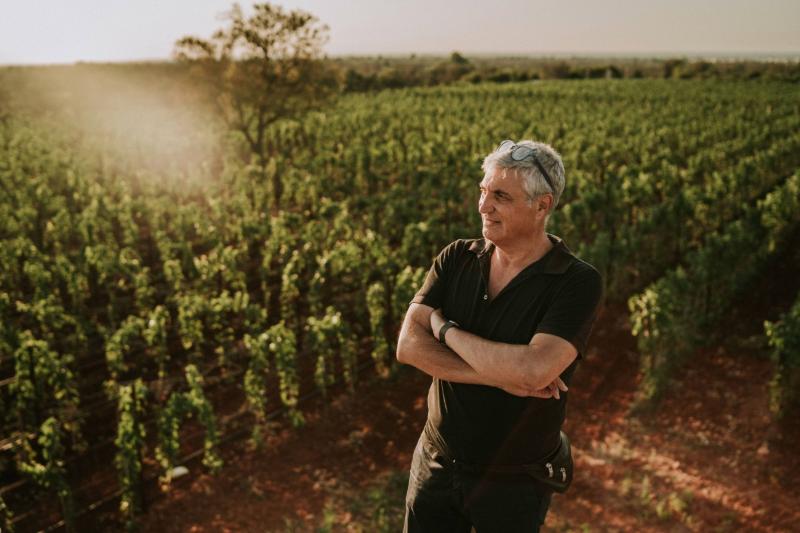
Adriana Burkard, owner of Arillo in Terrabianca, regards any investment in a major trade fair as a high-stakes decision, with correspondingly high expectations of "access to decision-makers, a strong pipeline of qualified leads, and concrete next steps with importers, key accounts, and the on-trade."
She adds: "We expect it to help us communicate our identity clearly and efficiently, while reinforcing confidence in our continuity, quality, and long-term reliability as a partner."
In that context, the question is not whether trade fairs matter, but which ones justify the investment – and on what terms.
Added value
Naturally, financial investment – and whether it can be justified in such a challenging context - is not the only criterion when debating the relative merits of attending international fairs. Julia Springeth, sales manager at Cantina Terlano, argues that despite sharply rising costs, the concentration of opportunity remains unrivalled. "It is still far more effective to meet 30 international importers in three days than to fund 30 individual flights to destinations all over the world," she says. "The concentration of international presence at these fairs is substantial."
Springeth also underlines the importance of the "serendipity factor" - the chance encounters and unplanned conversations that cannot be engineered elsewhere. "The walk-in of people you never planned to meet simply does not exist in any other sales format," she notes. "Wine is a living, emotional product; it requires physical context to be fully understood by a buyer's palate." And while digital tastings may serve as a practical stopgap, they cannot replicate "the face-to-face dialogue" that encourages deeper discussion of nuance, sensation and intent.
The prioritisation of irreplaceable human contact is a common theme – and a powerful counterpoint to concerns over cost inflation.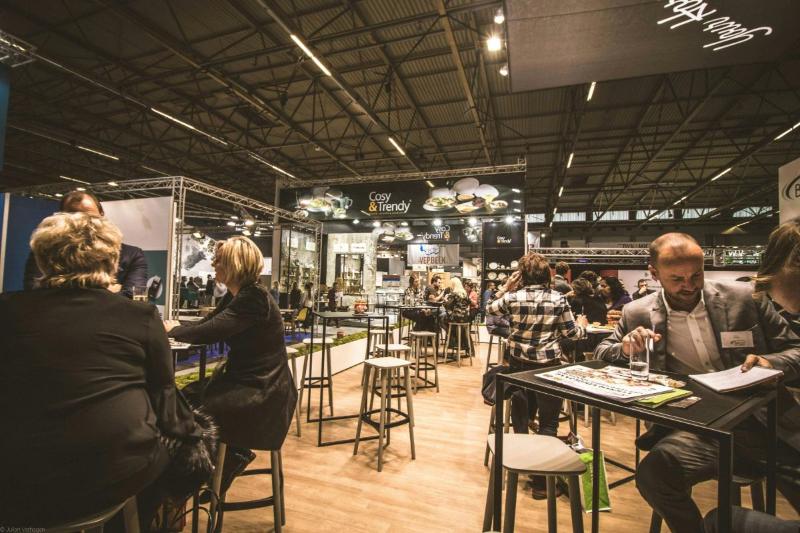
According to Clara Gentili, co-owner and export director at Fattoria Le Pupille in Tuscany: "There is no doubt that trade fair costs have grown in the recent years. As a result, we have become more selective in our choices. Yet human relationships are at the heart of our work. Meeting in person at the fairs allows us to cultivate long-term partnerships in a way that digital tools simply cannot replicate." Like many smaller producers, Le Pupille has reviewed its calendar carefully, prioritising events that deliver "visibility, relationships and commercial relevance" - and quietly dropping those that do not.
Matthew Hennings, MD at Hennings Wine in the UK, no longer attends ProWein due to its "unmanageable size, escalating cost and the superior experience now being offered by its rivals".
He said: "One of the problems with some international trade fairs is the timing: we need to lock-in our wholesale and on-trade list by February, ready for key restaurant buyers and other clients. Many of the key events are no good to us if they take place after March."
Regional specialism
Meanwhile, although the commercial and 'emotional' case for physical fairs remains strong, the geography of attendance is clearly shifting. In 2026, producers increasingly distinguish between costly global flagship exhibitions and more localised fairs, choosing between them based on market priorities as well as budget constraints.
"Looking ahead, we do expect our trade-show strategy to become more localised and specialised," says Letizia Patané, Sales Manager at Tenuta di Trinoro.
Antonio Intiglietta reports that Tenuta Liliana is "closely monitoring these developments and reflecting them in our strategy."
He adds: "While major international fairs continue to play a role in terms of visibility and positioning, we see growing value in more focused and specialised events that reflect regional market dynamics."
For globally active producers such as Cantina Terlano, however, the biggest exhibitions remain non-negotiable. To maximise return, Terlano has layered its strategy, combining large fairs with targetted masterclasses for sommeliers and journalists.
Nevertheless, many stakeholders are expressing a desire for fairs to evolve – or risk being sidelined. Rising accommodation costs, logistical complexity and service inflation are frequently cited as barriers to participation, particularly for smaller estates.
"Increasing costs discourage participation, which can gradually affect the overall appeal of certain fairs," observes Julia Springeth. "This, in turn, can influence visitor behaviour, with some professionals opting for alternative events, creating a downward cycle that is difficult to reverse."
So what, then, do wineries want from trade fairs in the years ahead? Adriana Burkard calls for exhibitions to become "truly effective business platforms, where producers can invest with confidence and measure results." Clara Gentili, meanwhile, argues that fairs must evolve "from being just a showcase to becoming a place where important relationships and new commercial possibilities can emerge."
Letizia Patané adds sustainability and hybrid formats to the agenda, suggesting that better integration of digital tools before and after fairs could extend their commercial life beyond a few frenetic days on the show floor. Improved appointment systems, clearer data on attendee profiles, and more disciplined matchmaking also feature highly on wish lists.
But despite the tightening of budgets, large-scale fairs continue to justify their place in the calendar. Beyond visibility, they function as hubs for relationship building and market intelligence, offering a level of efficiency that has not been replicated elsewhere. In an industry founded on storytelling and human connection, that remains a USP worth paying for.
Box Out: Key International Events 2026
Wine Paris 09-11 February, Paris
https://wineparis.com/newfront
ProWein 15-17 March, Düsseldorf
https://www.ProWein.com/
Vinitaly 12-15 April, Verona
https://www.vinitaly.com/en
London Wine Fair 18-20 May, London
https://www.londonwinefair.com/



.png)