


- Annapurna Belani Ellis
- 2025-12-16


The US wine market in 2025 isn't so much shrinking as rebalancing. While overall consumption continues to soften, buyers aren't stepping back - they're reallocating. Tariff volatility, tightening consumer budgets, shifting generational habits, and supply-chain uncertainty have forced importers, retailers, and distributors to rethink where value, reliability, and identity come from. In this reshaped landscape, the geography of American wine buying is broader, more diversified, and increasingly defined by trade pragmatism rather than tradition.
This is not a crisis story. This is a story about portfolio redesign.
What's driving the shift?
Three forces are converging at once - something the industry hasn't seen in more than a decade. The threatened 30% tariff on EU wine caused importers to pause shipments; even after a US–EU agreement reduced duties to a flat 15%, the lag resulted in mid-summer gaps in rosé, Prosecco, and everyday European whites. Logistics costs climbed by roughly $1 per bottle as importers scrambled to refill depleted pipelines. Meanwhile, domestic producers saw their own costs rise: most US wineries rely on imported glass, corks, and equipment, all of which are now more expensive under the new tariff structure.
A consumer market pulling in two directions
US drinkers are polarising. According to NielsenIQ, RTDs grew at a +14% CAGR from 2019–24, while non-alcohol jumped 31% YoY, and traditional wine consumption continues to dip. Younger legal-age consumersare more category-fluid than any cohort before them. Yet premiumisation persists - selectively. Silicon Valley Bank reports the top 25% of US wineries grew 22%, while the bottom quartile fell -16%. Consumers will still trade up - but only when quality, transparency, and value clearly align.
Distributor consolidation & inventory pressure
US distributors are still working through elevated inventories, leading to tighter buying and more selective portfolio additions. The result: trade buyers want wines that tell a story, fit a price tier cleanly, and deliver predictable supply - no surprises. NIQ's mid-2025 scans show ongoing retail contraction, with declines concentrated in the traditional still wine segment and continued softness in sub-$15 price tiers - reinforcing the need for precision in assortment-building. Meanwhile, the diversification of US portfolios is being led by a handful of regions that deliver clear stylistic identity, strong value, and supply stability.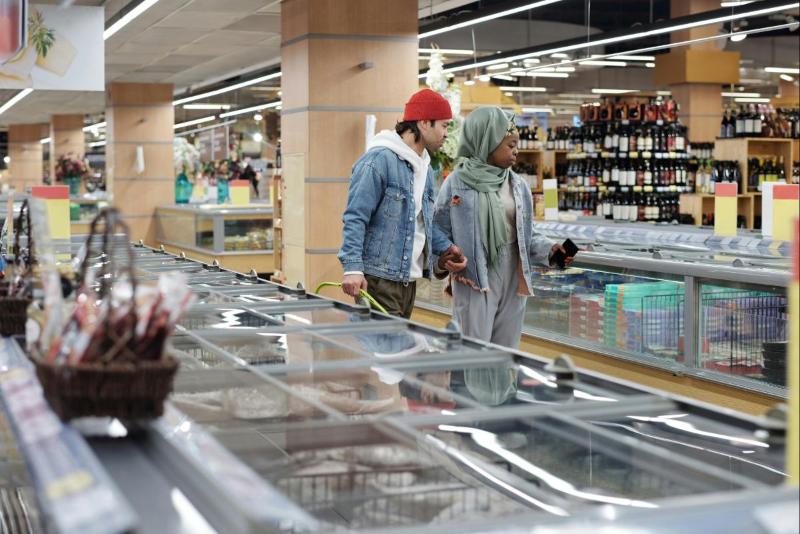
Washington State
In other news, a long-time "insider" choice that has now crossed into mainstream trade strategy. Washington Cabernet, Syrah, and Chardonnay offer consistency at one-third the price of Napa equivalents. Buyers are actively substituting: $15–$25 Washington Cabernet is now a standard replacement for $40–$50 West Coast SKUs in many chains.
Finger Lakes (New York)
A cool-climate counterweight to warming West Coast vineyards. Riesling, Cabernet Franc, and sparkling wines deliver freshness, acidity, and regional authenticity - ideal for by-the-glass programs as on-premise traffic rebuilds (47% of US consumers visited a bar/restaurant in the past month, per NIQ). Santa Barbara County Pinot Noir and Chardonnay with true Burgundian tension and transparency, supported by increasingly sophisticated farming and winemaking. Export-minded producers here are attracting buyers seeking West Coast identity without Napa pricing.
Key emerging regions
Virginia
Quality leaps in Cabernet Franc, Petit Verdot, and Viognier have made Virginia a credible mid-Atlantic sourcing option. Sommeliers value the regional narrative; buyers value the steady rise in stylistic precision and the proximity to major population centers.
Texas Hill Country
Producers leaning into Mediterranean varieties (Tempranillo, Mourvèdre, Tannat) have found stylistic alignment with climate realities. Texas restaurants increasingly include local bottles intentionally, broadening awareness. For national buyers, Texas represents regional authenticity plus tariff-insulated domestic sourcing.
Idaho, Michigan, Arizona, Colorado
High-elevation Syrah and Chardonnay in Idaho; aromatic whites and sparkling in Michigan; Rhône blends in Arizona; cool-night freshness in Colorado. Each region contributes a small but meaningful lever for price balance and differentiation. These aren't replacing Napa or Sonoma. They're expanding the American value map so buyers can maintain stylistic diversity while hedging against cost, climate, and tariff risk.
What's plateauing: Premium West Coast pressure
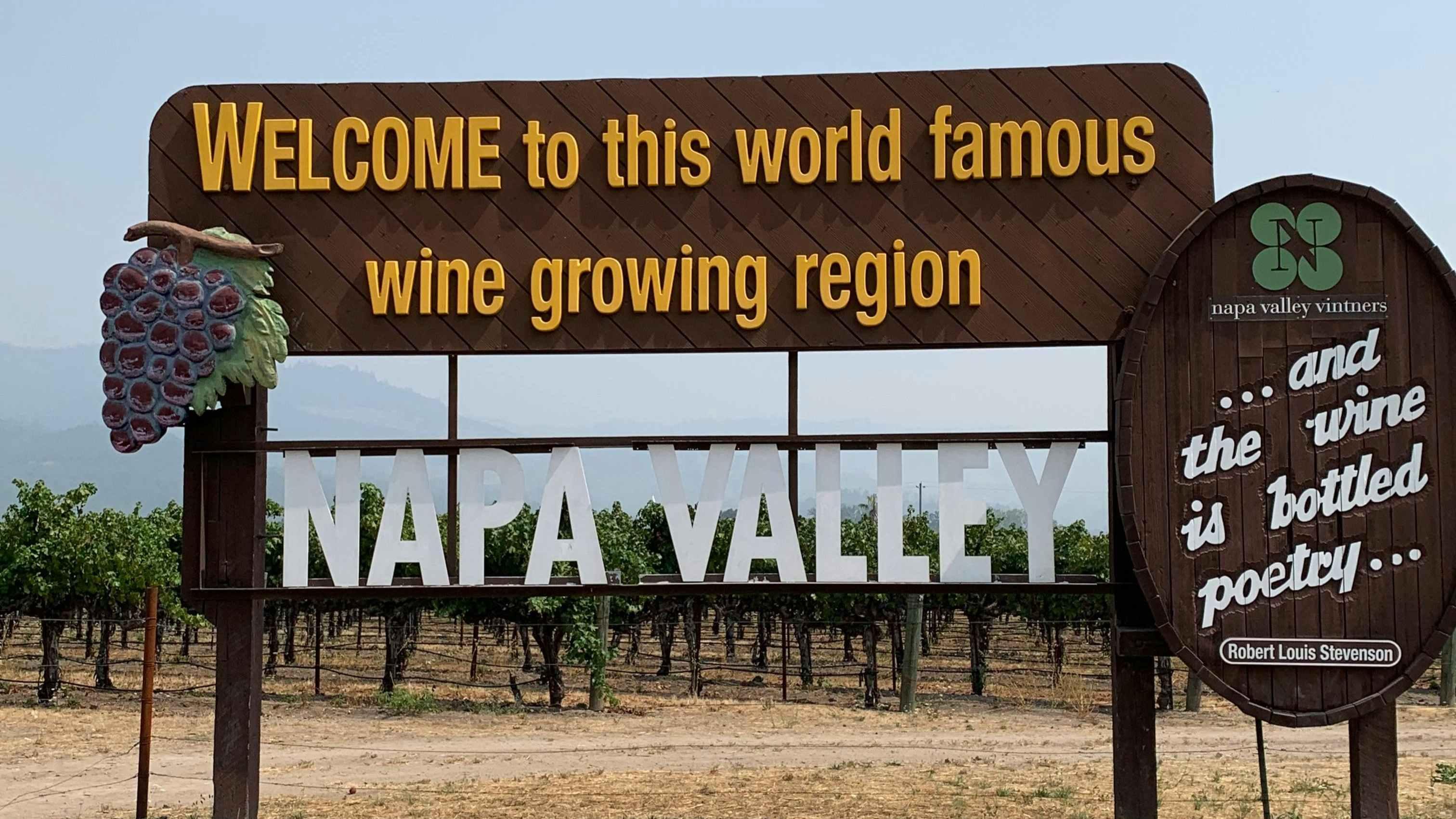
Napa remains a global benchmark - allocations for prestige wines remain strong - but the middle tier ($50–$90) faces real headwinds. Retail turns have slowed, and buyers are now more discerning, expecting a clear story, farming transparency, and stylistic integrity that justifies pricing. Input costs driven by tariffs (glass, corks, capsules) add $0.50–$1 per bottle, squeezing margins for both suppliers and distributors. Oversupply is now a structural reality rather than a single-vintage issue: California saw fruit left unpicked again in 2025, and bulk wine remains a buyer's market.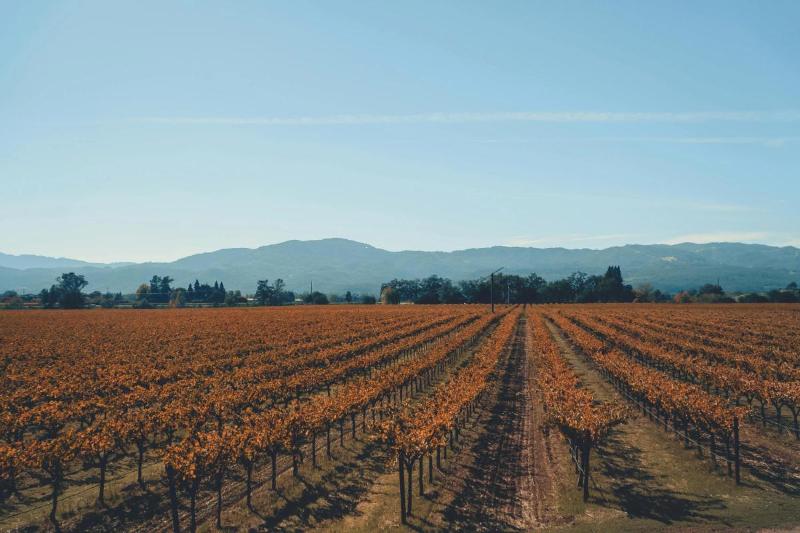
Premiumisation hasn't disappeared - it has simply become more selective. Consumers will pay more, but only if value is visible and credible.
How tariffs are rewriting buying behaviour
Tariffs have quietly rewritten US buying behaviour in 2025. A €15 European bottle that once retailed at around $24 now lands closer to $29, and that 20% jump has forced buyers to rethink how they build their assortments. The result is a clear pivot toward "tariff-light" regions - Chile, Argentina, Australia, New Zealand, South Africa - which allow retailers to maintain Old World styles without Old World prices. Canada has emerged as an unexpected winner, buoyed by USMCA exemptions, while domestic producers have been jolted by a 96% collapse in exports to Canada, historically their largest market. In an environment where political volatility reshapes margins overnight, buyers are prioritising stable pricing, predictable supply and regions insulated from policy swings.
For producers, this tariff era has sharpened what buyers expect in 2025. They want a clear identity - who you are and why your wines matter. They expect transparent value, where farming practices and winemaking integrity are part of the commercial proposition. They look for tight alignment between price and positioning, especially as younger consumers are swift to reject wines whose polish doesn't match their price tag. And above all, they need reliable supply, with fewer surprises and stronger risk management. On-premise, the same pressures show up differently: leaner staff and smaller wine lists mean BTG placements now carry more weight than at any point in the past decade.
Conclusion
The US market in 2025 is not shrinking - it's reorganising. The buyers who succeed this year are the ones diversifying by region and style, managing tariff risk intelligently, and staying attuned to a consumer who wants transparency, quality, and value without pretense. The new geography of American wine buying is already taking shape - and the producers who adapt quickly, communicate clearly, and deliver consistent value will be the ones on the lists and shelves that matter.




.png)