


- James Lawrence
- 2026-02-12


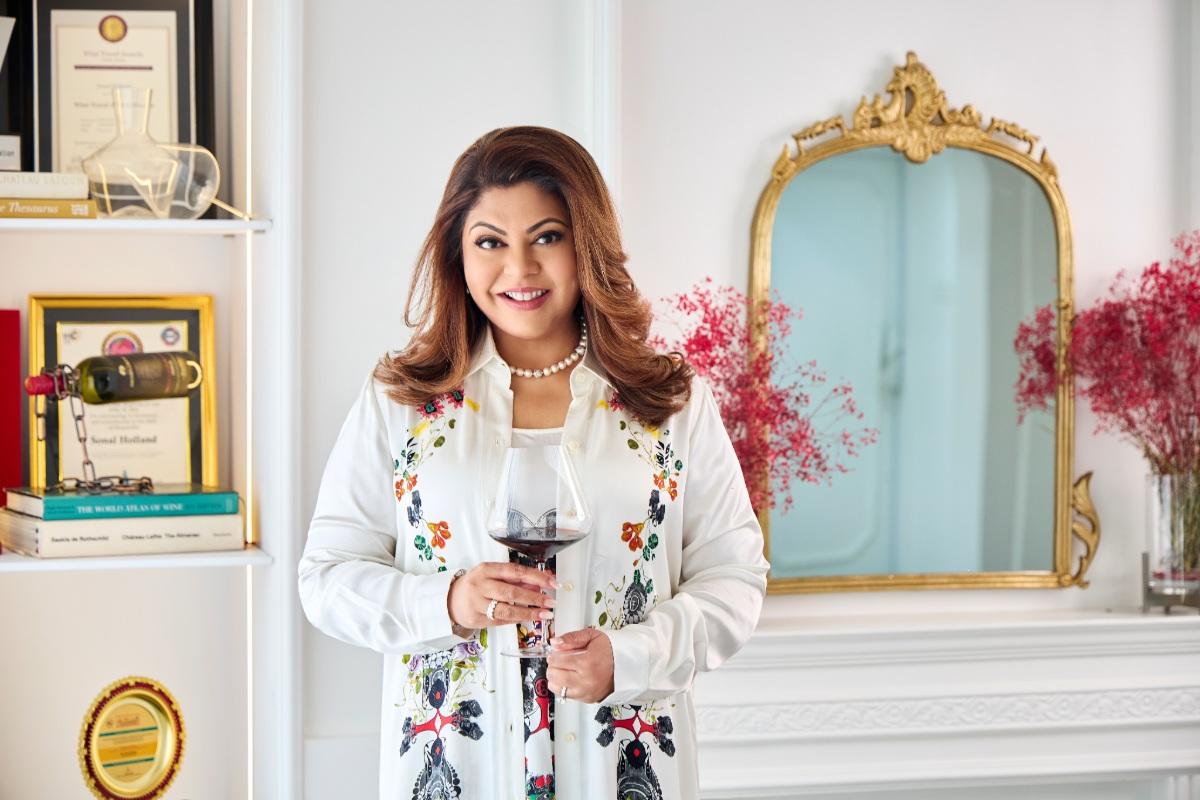
You've often spoken about "demystifying" wine for Indian consumers. Tell us more about your strategy?
Unlike Western countries, wine remains culturally unfamiliar in India, and consumer understanding of the beverage is still evolving. As a result, many consumers find wine intimidating. Through our extensive digital presence, reaching over one million followers on Instagram alone, we have created over 1000+ videos in different Indian languages that demystify wine and make it seem more approachable and accessible. The strategy has been to simplify knowledge and spark curiosity. We made a conscious choice to step away from academic complexity, to meet consumers at their level of knowledge, and to grow with them.
The International Wine Challenge evaluates wines on a global benchmark. In your view, what stylistic traits or cultural perspectives can Indian tasters bring to judging that might subtly challenge long-established Western norms?
The International Wine Challenge follows well-established global tasting benchmarks, which have also shaped my palate as a Master of Wine. At the same time, coming from an emerging wine market gives me insight into how consumers with evolving palates engage with wine. So apart from finer expressions with a global appeal, I'm also attentive to wines that combine quality with approachability and affordability. With Indian cuisine now enjoyed worldwide, I also consider how wines perform alongside its diverse flavour profiles. Judging alongside tasters from different countries is always rewarding as it offers an opportunity to learn and to contribute to the global conversation around wine.
Are cultural attitudes to wine evolving in India? If yes, how?
Wine has definitely come a long way in India. Once seen as an elitist beverage, wine is now seen as a symbol of success, is perceived to be healthy, and is socially the most acceptable drink. No other beverage enjoys this unique trilogy of appeal.
The growth of wine culture in India is being driven by our large young population; we have nearly 600 million people between the ages of 18 and 35 years. According to the India Wine Insider, our comprehensive report on consumer behaviour and emerging market trends in the country, young consumers of legal drinking age are not intimidated by wine and are eager to learn more about it. They also like to experience wine in diverse settings and across various occasions.
Another key factor driving the growth of wine in India is women drinkers. An equal number of women and men drink wine in India. In fact, many women prefer wine over other alcoholic beverages as it has gained social acceptance due to its softer image. Wine has democratised drinking for women, allowing them to enjoy a drink with their male peers at home or in restaurants.
Undertaking the MW qualification is an enormous task. What was the greatest challenge, and how did you overcome it?
While pursuing the Master of Wine title, I couldn't find adequate mentorship and learning opportunities in India. As a result, I had to travel abroad frequently to attend seminars and wine tastings. This meant staying away from my home and family for months at a stretch. Being apart from my toddler daughter for my studies was the hardest part of this journey. Thankfully, my husband and parents were equally invested in my goal and encouraged me to pursue it while ensuring that my daughter was well taken care of. I couldn't have achieved this title without their support.



.png)