


- Gemma Boucher
- 2026-05-05


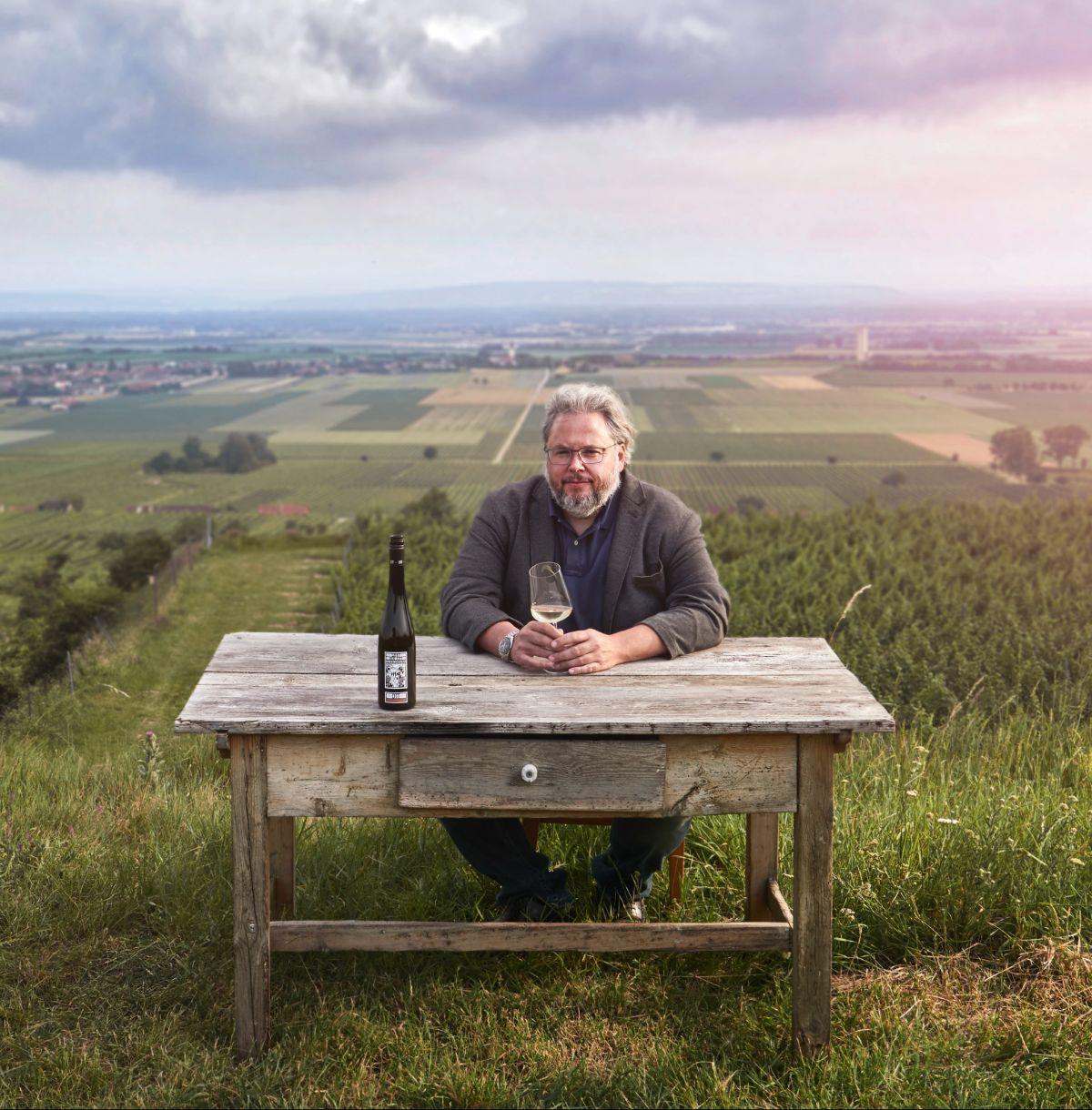
Austria has long been synonymous with Grüner Veltliner, yet few producers have done more than Bernhard Ott to push the grape beyond its reputation for peppery freshness into something more profound.
From his estate in the village of Feuersbrunn in Wagram, Ott has spent the past three decades demonstrating that Grüner can rival the world's great white wines for complexity, longevity, and gastronomic versatility.
Taking over the family estate in 1993, Ott became the fourth generation to farm the 55ha of vines here, 95% of which are planted with his flagship variety. Since then, his focus has been unwavering: to present Grüner Veltliner as '100% terroir', via single-vineyard expressions and blends from Niederösterreich (Lower Austria), specifically Wagram and Kamptal.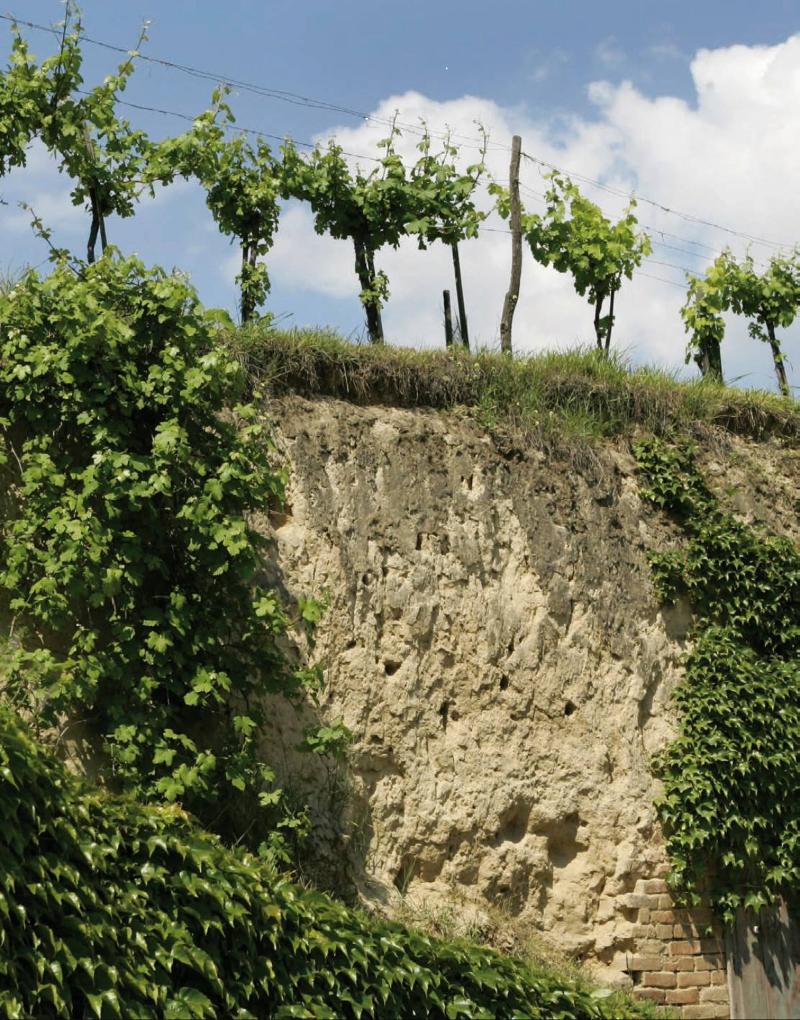
Just one hour west of Vienna, Wagram is home to one of Austria's most distinctive terroirs. Here, deep loess soils (windblown deposits of silt and clay with a loose, loamy structure) reach up to eight metres. Forming the foundation of the wines, they bring both generosity and structure: ripe, often yellow-fruited character tempered by a fine floral and mineral presence. "Loess is one of the leading components," says Helga Schroeder MS, Ott's brand ambassador. "It gives a rich fruit profile, but always linked with minerality."
With over 80 different parcels, subtle differences in elevation and composition form a tapestry of terroir and microclimates. Warmer, lower parcels yield breadth and ripeness, whereas higher sites such as Kirchthal, with thinner loess and cooling influences from the surrounding forest, produce more linear, saline expressions.
Terroir is everything
Ott has farmed biodynamically for nearly two decades, focusing on soil health, biodiversity, and creating a balanced ecosystem. Cover crops, compost and careful canopy management are standard practice. Of his 25 employees, 16 work exclusively in the vineyard. "It's expensive," says Bernhard, "but working with the soil and the vines is the basis of everything."
Schroeder points to a distinct energy in both vineyard and glass. "It's the precision, the purity, and the tension from beginning to end," she says.
That completeness is reinforced by Ott's long-term commitment to massal selection. Over time, he has built his own genetic pool of Grüner Veltliner, selecting cuttings from the best-performing vines and replanting with material tailored to his sites. It is a labour-intensive approach, but one that strengthens the link between the vineyard and the wine..jpg)
In the cellar, intervention is minimal, and traditions are upheld. Grapes are hand-harvested, whole-bunch basket-pressed, and fermented with indigenous yeasts. Large, neutral oak casks handcrafted by Austrian cooperage Stockinger are favoured, preserving texture and allowing slow, steady development without masking the fruit. Stainless steel is used sparingly, primarily for the estate's more immediate styles. The guiding principle is simple: to create wines that fully express their terroir and character.
The Wines
Am Berg, drawn from younger vines, is designed for early drinking. "It should be fun," says Schroeder. "Approachable, but still a proper wine." It delivers exactly that, offering a pure introduction to the house style.
Der Ott sits at the core of the portfolio. Sourced from older vines across multiple sites, it combines density and complexity with a defining sense of balance. "It's our DNA," Schroeder explains - a wine that captures the energy of Wagram and the estate's signature precision.
Fass 4, meanwhile, has become a fixture on Michelin tasting menus, its origins rooted in a 1989 barrel tasting that identified the fourth cask as the standout. Today, it remains one of Ott's most recognisable wines.
However, it is the single-vineyard bottlings that most clearly define Ott's ambitions. Here, Grüner Veltliner is treated as a conduit for terroir, capable of expressing even subtle variations in soil and site. Kirchthal, for example, is taut and mineral, marked by salinity and a distinctly vertical profile, while other sites offer greater breadth and power. These are wines built for the long term, evolving over decades rather than years.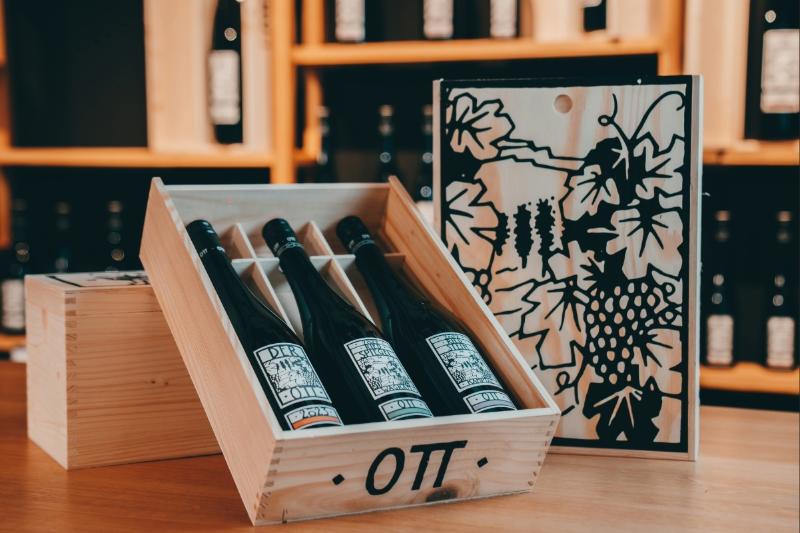
That longevity, coupled with Grüner's versatility, has helped secure Ott's place in international gastronomy. Exported to 36 countries, the wines are listed by leading restaurants including Troisgros, Gordon Ramsay, and Anne-Sophie Pic. "It's an incredibly versatile grape," says Schroeder. "It works with fish, with meat, with spice — it's a sommelier's wine, but also very easy to enjoy."
For all the precision that underpins them, Ott's wines avoid austerity. They are structured, but never severe; detailed, yet always inviting. "We don't want something complicated for the sake of it," Schroeder says. "We want people to finish a bottle... and maybe start a second one."




.png)