
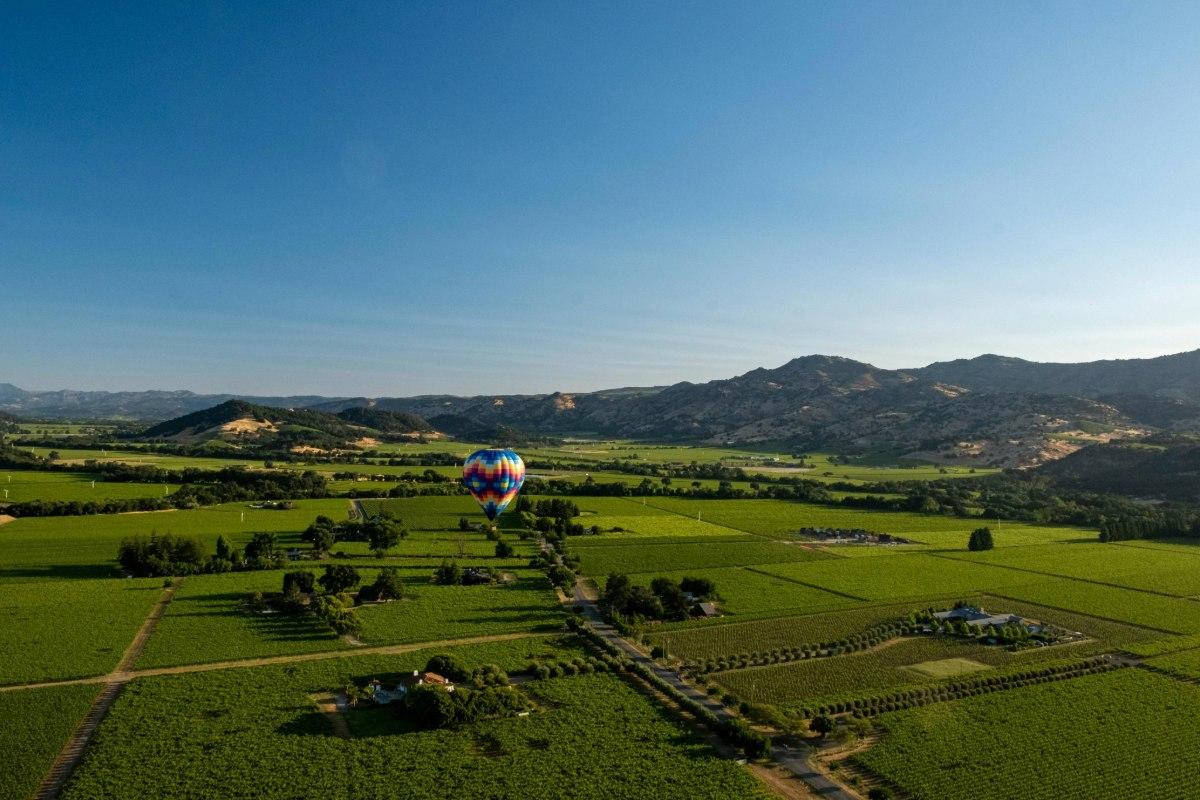
Between legacy vineyards and luxury tastings, Napa Valley is trying to be two things at once - and it's not quite holding together, says Anna Belani-Ellis
I don't think the recent Hoopes case is really about one winery. Or at least... it doesn't feel that simple.
It's more like it's sitting on top of something else - something that's been building in Napa for a while now, first quietly, and then not so quietly.
Because if you step back a little, you can see it. There are two Napas in the same valley. And they don't quite line up anymore.
One is the Napa people's picture. Family-owned vineyards. Agricultural land protected with intent. A place where wine is grown, made, and then... maybe tasted - without too much built around it.
That Napa is still very much there. Structurally, it hasn't disappeared. The vast majority of wineries in Napa County are still small, family-run operations producing relatively modest volumes. But there's another Napa now. And this one feels louder. More visible.
It draws close to four million visitors a year. People don't just come to buy wine - they come for something planned, curated, often reserved well in advance. That visitor economy now generates billions in annual spending, making tourism one of the region's primary economic drivers - not just an extension of wine, but a parallel industry.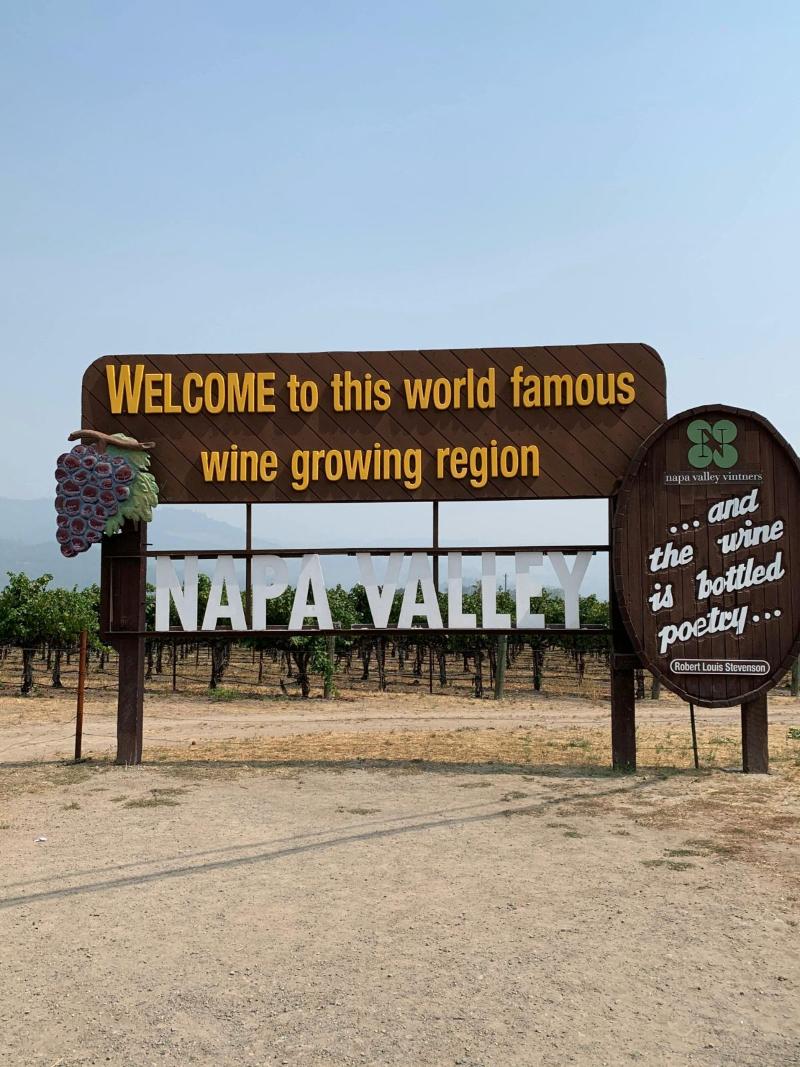
And somewhere along the way, the tasting room stopped being a side note. It became the thing.
Shifting priorities
It's hard to say exactly when the shift happened. There wasn't a single moment when Napa decided to become a destination. It just...kept leaning that way. Wine used to be made, and then people would taste it.
Now, in many cases, wine is made knowing how it will be tasted. Where someone will sit. What they'll see. How long will they stay? That changes the shape of the business, even if no one says it out loud. A winery starts to look different. Reservations replace walk-ins. Tastings become structured. Spaces are designed to host people, not just hold barrels. And the tasting itself carries more weight - financially, especially. For many producers, direct-to-consumer sales now account for over half of total revenue. Without them, the model becomes difficult to sustain. So the line between agriculture and hospitality doesn't disappear. But it softens.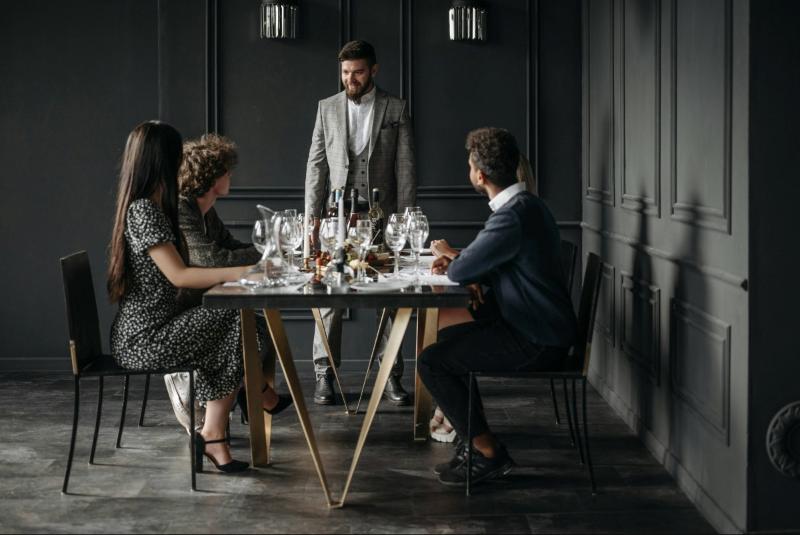
Following the rulebook
The rules, however, still draw it more firmly. Much of Napa's regulatory framework was built for a different version of the valley. The Winery Definition Ordinance dates back to 1990. The Small Winery Exemption even earlier. These weren't written with appointment-only tastings, multi-course pairings, or high-touch visitor experiences in mind. They were built around a simpler model: grow grapes, make wine, and sell some of it directly. Tastings were part of that - but not the centre of it. So the system made a distinction. Production was primary. Everything else - tours, tastings, events - was secondary. Controlled. Limited.
That distinction held for a long time. It's just... harder to hold now. Because if tasting becomes essential to survival, it's no longer really secondary - even if the rules still treat it that way.
This is where things begin to feel tight. From the county's perspective, the logic is straightforward. If wineries expand beyond permitted activity - more visitors, more events, more commercial use - it creates pressure. Traffic, noise, infrastructure strain. It also creates an uneven playing field for those who have gone through the time and expense of securing full-use permits. That argument is straightforward. But from the producer side, especially smaller wineries, the reality lands differently.
If a property has hosted tastings for decades...
If that's how it has always connected with consumers...
If that's what keeps it financially viable...
Then being told to stop - or to retrofit into a modern permitting system that can take several years and significant capital investment to navigate - doesn't feel incremental. It feels like the ground shifted. Quietly, and then all at once.
Awkward neighbours
This is where the Hoopes situation sits. Not as an outlier, but as a point where these two versions of Napa meet. An older exemption. A move toward a more visitor-facing model. A county enforcing a line that may once have been less tightly drawn. The legal process is ongoing, and much of the detail will continue to evolve. But what has drawn attention is the scale of the penalty - close to $4 million in cumulative fines and legal costs. That's where the tone of the conversation shifts. Not because enforcement itself is unexpected. But because the scale raises a different question. Not just what the rules are - but how far they reach, and what happens when they do.
What complicates this further is that Napa is not static. There are signs that the region recognises the pressure within its own system. There are discussions around updating definitions. Limited pathways are being explored for smaller producers to host tastings under controlled conditions.
Acknowledgement, in some quarters, that the current framework does not fully reflect how wineries now operate.
Finding a middle ground
But change in Napa tends to be incremental. And in the meantime, enforcement continues. So for now, both realities coexist. The older structure and the newer economic model. Each is pulling in slightly different directions.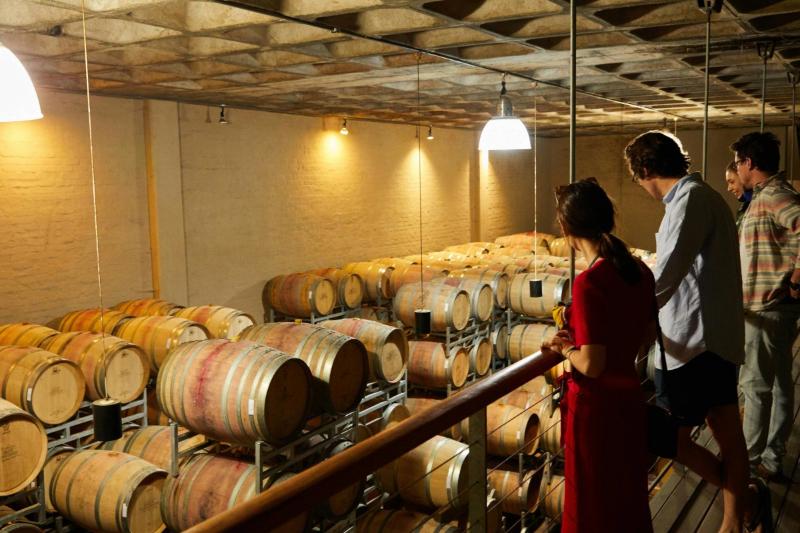
So perhaps this is not really about who is right. It's about whether the system and the reality are still aligned. Because Napa today is trying to hold onto two identities at once. A protected agricultural region. And a global wine destination built on experience. Both are real. Both matter. But they don't always sit comfortably within the same framework. And when they don't, the friction shows up. Sometimes gradually. Sometimes in ways that are harder to ignore. The Hoopes case will move through appeals.
The numbers may change. The details will evolve. But the underlying tension is unlikely to disappear. Because this is not just about one winery. Napa may be an early example, but it is unlikely to be the only one. Similar tensions are emerging in other mature wine regions where tourism has outpaced the frameworks that were originally designed to support production. It is, ultimately, about a region that has evolved successfully - perhaps even too successfully - and is now working out how to govern what it has become.
And that is not something that resolves all at once.

Get expert insights, weekly highlights, and exclusive stories from the world's most trusted wine competition.