


- James Lawrence
- 2026-01-27


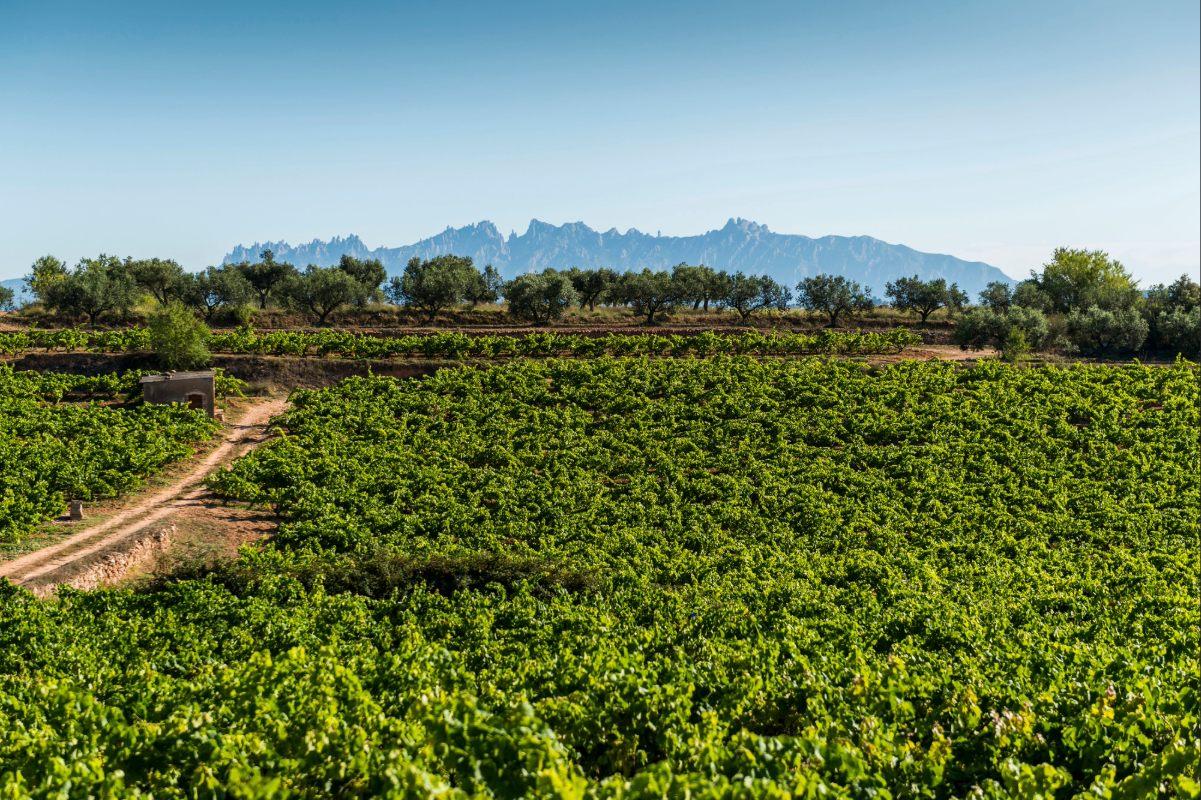
Region: Alt Penedés, Catalunya, Spain
Founded: 1881
Owners: Gramona family
Vineyard holdings: 65.7 hectares of family-owned vineyards
Lead Winemaker: Leonard Gramona
Annual yield: Between 4000 and 5000 kilos of average yield per hectare, depending on variety, age and orientation of the vineyard
Gramona has long been an outlier even among Spain's quality-focused sparkling wine producers, with a price structure that far exceeds the average for vintage Cava. These exceptional, terroir-driven wines are far more than everyday refrescos – they are a credible challenger to the very best Champagne.
The house traces its origins back to the 19th century, when Pau Batlle, son of the current owners' great-great-grandfather, sold wine to French sparkling producers, who were rebuilding their cellars after phylloxera devastated vineyards across Champagne. Pau Batlle capitalised on the situation by purchasing a cellar in Sant Sadurní d'Anoia (west of Barcelona) in 1881, a decisive step that allowed the family to acquire its first vineyards and lay the foundations for a sparkling wine business. His daughter's marriage to Bartolome Gramona cemented the wineries' future in the early 20th century, uniting two families under the banner of producing hand-crafted fizz. Over generations, the estate developed a reputation for long lees ageing – a practice uncommon in Spanish sparkling wine well into the 20th century – beginning with the creation of III Lustros in 1951.
This desire to innovate and challenge prevailing norms is a long-established Gramona trademark. In the early 2000s, under the leadership of cousins Xavier and Jaume, the estate invested heavily in viticulture, hiring renowned soil specialist Claude Bourguignon as a consultant and overseeing a conversion to organic and biodynamic principles. In 2024, Gramona launched the Alliances for the Earth label, adding manual harvest requirements to bolster the traceability and quality of its fruit; the winery has also distinguished itself as a sustainability pioneer, becoming the first in Spain to use geothermal energy for cooling.
Meanwhile, the late Xavier Gramona worked tirelessly to change attitudes in the mid-2000s – a natural communicator and charismatic marketeer for the brand. "Xavier was the architect of a major paradigm shift: the sparkling wines of the region were once derided as only being suitable for consumption at a young age," explains his friend and colleague Ana Lidon. "However, he managed to prove that the best wines could be aged on their lees for long periods of time, gaining complexity and elegance without sacrificing freshness." The family remain great advocates of the native Xarel-lo, known for its high levels of the anti-oxidative compound resveratrol – among the highest recorded for any white grape variety.
As a result, Xarel-lo plays a pivotal role in the house's range of prestige cuvées, particularly III Lustros and Celler Batlle, the latter aged for at least 10 years before disgorgement. This extended lees ageing, rare even among top producers, is responsible for the complexity, texture and autolytic richness that continues to define Gramona today. Hand riddling, manual disgorgement and the use of natural cork closures (for some wines) all reflect a company philosophy that has nothing in common with mass-market, high-volume Cava.
Indeed, Gramona and several other wineries abandoned the Cava DO in 2019, tired of that appellation's heavy association with cheap-and-cheerful fizz and its permissive production rules. Accordingly, Gramona's wines are now sold under the Corpinnat designation, meaning "born in the heart of Penedès." Buoyed by a genuine commitment to quality, terroir and craftsmanship, Gramona has emerged as a standard-bearer for a new generation of Spanish sparkling wine.
Q&A: Leonard Gramona, Winemaker, Gramona.jpg)
Stepping into leadership after your father's legacy, how do you balance preserving Gramona's identity with asserting your own vision for the winery's future?
Gramona is a sparkling wine producer with a 150-year history. Our identity is firmly established, as evidenced by our continued connection to our native landscape, historic grape varieties, and long tradition of artisanal ageing, even after five generational changes. Each generation brings a particular vision, and ours lies in respecting the work done to date while seeking a balance between the new and the legacy we have received, building a bridge between the future and the past.
Sant Sadurní d'Anoia is synonymous with tradition, yet the global fine-wine landscape is evolving rapidly - what changes do you believe are essential for Gramona to remain relevant at the highest level?
The quality of Gramona's sparkling wines stems from the composition and texture of the soil in our vineyards, the historic grape varieties of the Penedès region - particularly the Xarel·lo - and the craftsmanship involved in every stage of the production process.
I believe that, globally, quality wine is placing more value on these concepts every day. I like to think that Gramona and the world of wine are moving towards the same consideration of quality. Of course, we are investing considerable effort in viticulture. We want to understand our soils and vineyards thoroughly so that we can make the best possible decisions in the context of climate change, which is one of the defining challenges of our generation.
With increasing scrutiny on sustainability, how is Gramona redefining what 'icon' quality means for sparkling wine today?
At Gramona, we strive to understand every aspect of our singular vineyards and implement our terroir viticulture techniques, such as biodynamic preparations, keyline planting design, goblet training, respect pruning and night harvesting, in a personalised and precise manner. This bespoke viticulture, together with the craftsmanship in the winery and manual work in the cellar, results in a sparkling wine that embodies our vision of terroir. This vision respects the unique characteristics of the territory in a systematic and unapologetic way.
Our greatest challenge has been to boost the self-esteem of both the Xarel·lo grape variety and the long ageing process. Building on this, we continue to work with the conviction that our duty is to produce quality wines using this raw material and our acquired expertise.



.png)