A legend among cooperatives, Cantina Terlano in Alto Adige produces some of the world's finest - and long-lived - Pinot Blanc.
Region: Alto Adige, Italy
Founded: 1893
Owners: cooperative ownership
Vineyard holdings: 190 hectares farmed by its members
Lead Winemaker: Rudi Kofler
Annual production: 1.5 million bottles per annum
Cooperatives produce roughly half of Italy's wine, ranging from Prosecco to cherry-scented Sangiovese. Yet few have pursued quality with the single-minded conviction that continues to define the work of Cantina Terlano. Founded in 1893 by 24 ambitious growers in the Alpine district of Alto Adige in northern Italy, the cooperative represents a powerful synthesis of small-scale viticulture and nuanced winemaking. Today, Terlano's wines – particularly the Pinot Biancos – have become a global reference point for elegance and restraint. For buyers and sommeliers increasingly searching for characterful, more affordable alternatives to white Burgundy, Terlano's long-lived wines are an enticing proposition.
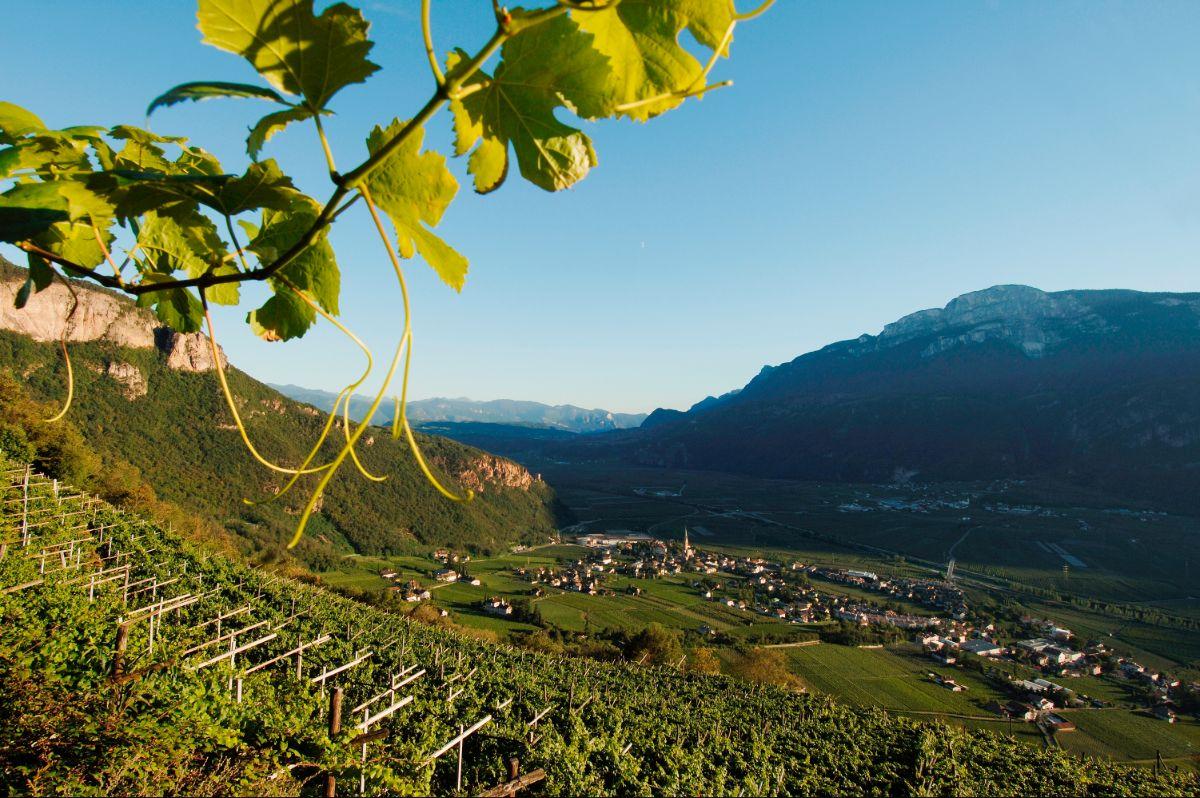
The cooperative's vineyard holdings are outstanding. Its 150-plus members farm 190 hectares that lie between 250 and 900 metres above sea level on the Tschöggelberg plateau, a volcanic quartz-porphyry bedrock overlaid with sandy, loamy soils rich in quartz. According to Terlano's winemaker Rudi Kofler, these exceptional terroirs help to limit vigour, produce concentrated, small berries and – crucially – imprint a distinctive mineral signature on the wines. The results are truly impressive: age-worthy Pinot Bianco (and other styles) that, in certain vintages, will improve in bottle for decades.
However, the cooperative's stylistic identity does not solely derive from geology and climate. Low-intervention viticulture and meticulous winemaking are Kofler's trademarks – since he joined Terlano in the late 1990s, the cooperative has leaned into single-vineyard bottlings and an exceptional portfolio (70% white) that includes the super-premium Quarz Sauvignon Blanc, an elegant Tradition Pinot Noir, and a finely etched Chardonnay. With a strong following in the hospitality sector worldwide, Terlano's wines are widely regarded as the benchmark for Alto Adige's mountain terroir.
For collectors, meanwhile, Terlano's trump card is its flagship Rarity programme – special cuvées that begin life in wood before being matured for at least ten years on their fine lees in stainless steel tanks prior to eventual bottling. Spearheaded in the mid-20th century by erstwhile winemaker Sebastian Stocker, this method yields wines of youthful freshness and zip that also display secondary characteristics – a remarkable achievement. This historic wine archive, released in very small quantities, has no equal in Alto Adige today.
At its core, though, Terlano is a community endeavour – growers and their families bound together in a shared ethos of sustainability, craftsmanship, and patience. Despite our two-second zeitgeist, this business remains focused on generational stewardship rather than mercurial fashion. There are those who would still deride the cooperative model as being antithetical to quality – Cantina Terlano proves they are wrong.
Q&A: Klaus Gasser, Marketing and Commercial Director, Cantina Terlano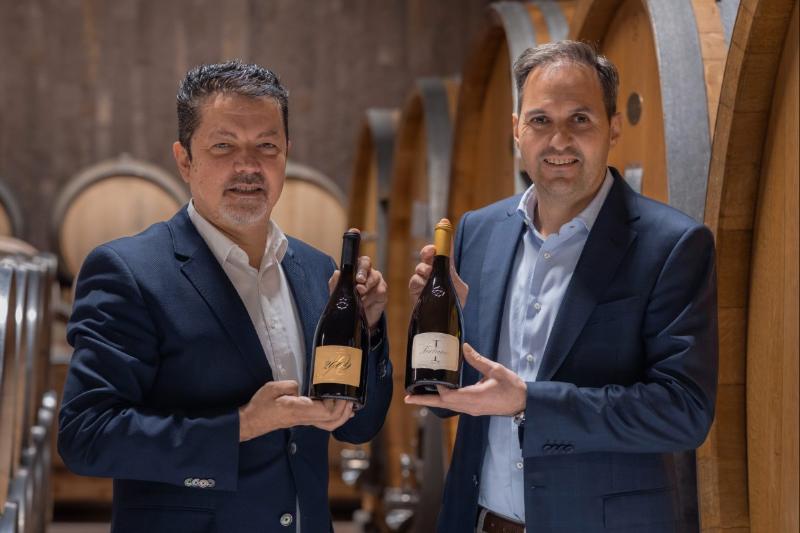
Terlano is known for elevating the idea of long-lived, mountain-grown white wines. How do you balance this distinctive identity with the commercial pressure to release wines earlier - especially in markets accustomed to immediacy?
Historically, Cantina Terlano has consistently focused on the longevity of its white wines. Thinking back 20 years, it was extremely challenging to promote and sell aged white wines in Italy. Luckily, times have changed, and Cantina Terlano has helped shift the perception of older vintages, showing the value of cellaring Terlano wines for extended periods. Although the winery produces wines meant for earlier drinking, the true key to persuading customers to embrace matured wines lies in well curated tastings. Only perfectly aged white wines will offer an exceptional drinking experience, one that can be compared to that of great red wines.
Alto Adige is warming faster than many European mountain regions. Which high-altitude parcels or varietals are becoming strategically important for Terlano's future, and where are you making the most significant long-term changes in vineyard management?
As a result of climate change, higher-altitude vineyards are becoming increasingly important for us, particularly those situated between 450 and 650 metres above sea level. Our meticulous approach ensures that all grapes - especially Pinot Bianco, Chardonnay, and Sauvignon Blanc - are harvested at optimal ripeness, maintaining balanced acidity.
Your reserve programme ties up capital for years, sometimes decades. How do you justify that level of inventory investment internally?
Our reserve programme naturally requires substantial capital investment, one that can be offset by higher resale prices. The focus is not solely on financial returns, but on showcasing the extraordinary terroirs, giving these wines the capacity to age beautifully over several decades.

Get expert insights, weekly highlights, and exclusive stories from the world's most trusted wine competition.