

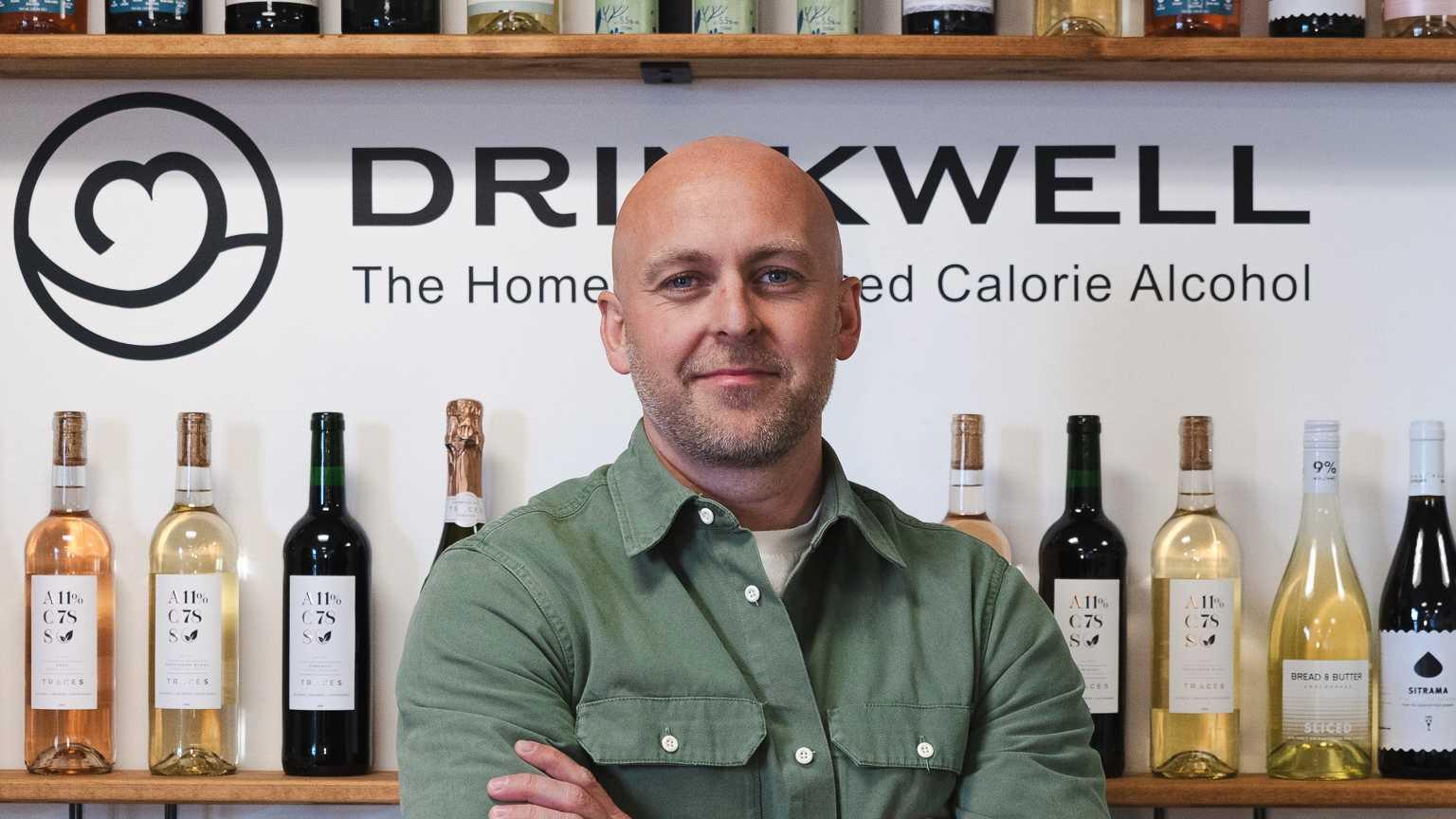

- Tom Bell
- 2026-01-13


The rise of GLP-1 medications is already being framed as the next existential threat to alcohol, and wine in particular. Is it existential? My honest answer is yes and no.
Yes, because health and wellness have been steadily reshaping alcohol consumption for over a decade, and GLP-1 usage will undoubtedly accelerate that trend. Those who consume the most volume in wine and GLP-1 users sit within strikingly similar demographic profiles. From a volume perspective, that overlap matters.
No, because framing this purely as a consumption or volume problem misses the real disruption entirely. The deeper threat is not that people may drink less, it's that the tolerance for irrelevant brands, lazy premiumisation and weak value propositions is collapsing at speed.
After fifteen years building and analysing "better-for-you" alcohol brands and retail one thing is clear: moderation doesn't kill categories. Complacency does.
I believe the impact of GLP-1s on wine can be understood across three layers: physiological, socio-economic and psychological.
The first is the physiological layer. GLP-1s reduce appetite and cravings. That's well established. But craving wine implies some level of dependency, and only a small minority of drinkers (around 3% - Drink Aware) fall into that category. On paper, the impact should therefore be limited.
In reality, it's more nuanced. Even without dependency, GLP-1s change how people experience satisfaction. When reward signals dull, consumption becomes more intentional. You don't remove desire entirely, you raise the bar for what feels "worth it". That distinction matters enormously for wine.
The second layer is socio-economic. Consumers today are spending more of their disposable income on health, fitness, wellbeing and experiences leaving less for alcohol. Product data across FMCG consistently shows functional and "better-for-you" categories growing, while mainstream and traditionally "bad-for-you" products are declining and being regulated more aggressively..jpg)
Wine does not exist outside this shift. In a world where money, time and energy are finite, every purchase competes harder for relevance. When consumption occasions reduce, competition intensifies.
The third, and most important layer is psychological. GLP-1s haven't created a new mindset; they've accelerated one that was already firmly in motion. Health is now the number one concern for households (Mintel 2024) and consumers increasingly expect brands to align with that reality, not ignore it.
This is where wine's long-standing strategy begins to unravel. For years, the industry has responded to falling volumes with a familiar mantra: "less but better". In theory, consumers drink less but trade up. In practice, much of the category has simply charged more for the same wines, told the same stories, and offered the same benefits, hoping price disguised as 'premiumisation' could substitute for progress.
That strategy has reached its limit. GLP-1s simply expose the flaw.
Across global drinks categories, momentum is building behind "functional" brands that add value - brands that enhance experience, excite consumers and align with modern priorities. These brands are creating products that speak the language of today's drinkers, the same values that underpin the adoption of GLP-1s.
The industry's first instinct has been to point to no/low alcohol wine as the solution. At best, this is partial. At worst, it's a distraction.
No/low alcohol wine has delivered modest trial but poor loyalty and repeat purchase. It remains light years behind beer on experience, while suffering from weaker perception, higher costs and limited shelf value for stockists. Crucially, once alcohol is removed, wine stops competing within alcohol and starts competing with kombucha, flavoured waters, sodas and functional drinks, categories that currently deliver better experiences at lower prices.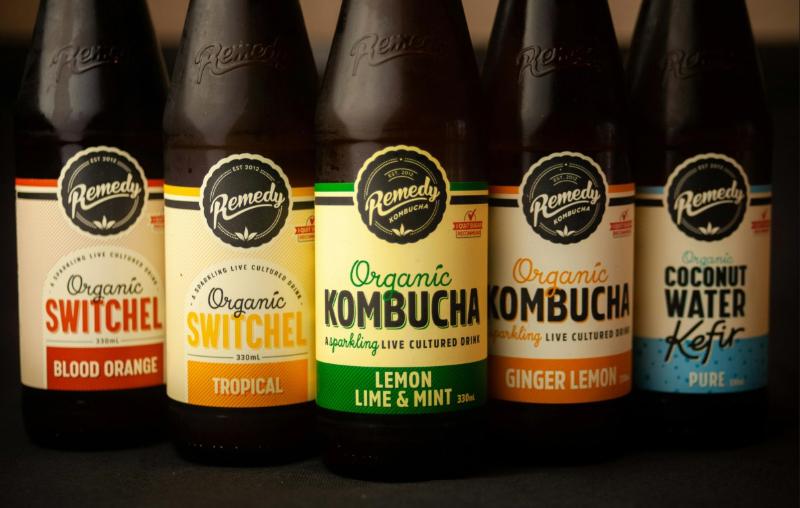
More importantly, most drinkers still want to drink. They want alcohol for the ritual, the reward and the occasion. Yet the industry's primary response has been no/low or mid-strength, often driven by duty savings rather than genuine consumer desire.
For some occasions, no/low absolutely has a role. But it doesn't answer the core question GLP-1s raise for wine: how do you preserve enjoyment/experience, ritual and reward while reducing downside?
That's where the real battleground sits, and where the winners are emerging.
Across global drinks categories, momentum is building behind brands that add value rather than subtracting alcohol alone. Brands that enhance experience, reduce friction, excite consumers and speak the language of modern priorities. These brands don't moralise. They design around real-life trade-offs: pleasure versus consequence, indulgence versus control.
The uncomfortable truth is that much of the wine industry has forgotten how to sell. There has, in my opinion, never been more opportunity to sell wine, but the industry remains inward-looking. The key questions for consumers are: what problem are you solving for me; what's in it for me, clearly and quickly?; why should I choose you without thinking; and how does this make my life easier or better?
Modern consumers are time-poor, outcome-led and increasingly selfish, not in a negative way, but in a rational one. They don't always want education. They want clarity. GLP-1s intensify this psychology, and three masters of marketing help explain why.
Value, as Alex Hormozi defines it, is perceived benefit minus perceived cost. Over recent years, wine has increased the cost price, consequences and confusion, while leaving the benefit largely unchanged. GLP-1s don't create this imbalance; they force consumers to notice it.
Wine has also made itself harder to choose according to Byron Sharp: longer back labels, denser language, more SKUs, fewer clear cues. Consumers don't browse anymore, they filter. If a brand doesn't instantly answer "why this is right for me", it's invisible.
Rory Sutherland would argue the final failure is emotional. Wine predominantly still speaks in producer logic, not consumer logic. It explains how it's made, not how it fits a modern life shaped by wellness, time pressure, self-optimisation etc.
In my view, GLP-1s won't kill wine. But they will punish brands that refuse to adapt to the modern landscape, and these new drugs just underpin a shift that started a long time ago. They force the industry to confront a question it has postponed for too long: what genuine, modern value does wine offer beyond tradition and alcohol itself?
The brands that thrive will design for relevance. They'll understand that people don't want fewer occasions, they want fewer regrets. They want true value that aligns with them. GLP-1's aren't the threat. Lazy value is.




.png)