


- James Lawrence
- 2025-12-02


What guides a buyer's hand toward a particular wine or estate? Twenty-five years ago, the answer would surely have been a combination of price, quality, availability, and demand – a straightforward equation that hardly varied from year to year.
But those days are long gone. Increasingly, sustainability is playing an ever-more influential role in buying, as environmental, social, and governance factors (ESG) become central to business decisions across global markets. Traditional considerations, of course, still carry weight; however, a new set of expectations around carbon footprints cannot be ignored, shaping the way distributors and wineries approach sourcing and production. What was once a peripheral concern has become a decisive force shaping the future of wine.
"In recent years, we have seen a clear increase in sustainability requirements from buyers, particularly in Northern European and North American markets. These are no longer just general concerns, but very concrete questions about how we cultivate our vineyards, what type of energy we use, what choices we make in packaging, and how we organise our logistics," explains Anselmo Guerrieri Gonzaga, owner of San Leonardo in Trentino.
According to Guerrieri Gonzaga, both viticultural management and logistics are increasingly under intense scrutiny – two major priorities for buyers today. Indeed, importers not only expect a high-quality product, delivered on time at a negotiated price, but also verifiable data on environmental impacts.
"Importers are requesting numerical data with increasing frequency," he says, adding that some stakeholders simply require information on which certifications have been adopted, while "others require more detailed indicators, such as energy consumption, water use, or biodiversity information," he adds.
As a result, San Leonardo now provides extensive data on vineyard management, water and energy consumption, and biodiversity indicators. But despite this increasing regulatory expectation, Guerrieri Gonzaga insists that "tradition, terroir, and economic balance are not in conflict with sustainability: they are the three dimensions that define our responsibility toward the place we steward and toward future generations."
The power of bulk
Meanwhile, with bottle production accounting for up to 50% of a wine's total carbon footprint, and new carbon taxes in the offing, progressive buyers are looking for alternatives to glass.
"We have received requests from our EU buyers, particularly in Scandinavian countries, who want to be glass-free by 2030," said Siobhan Wilson, general manager of sales & marketing, Marisco Vineyards.
"This prompted us to explore alternative packaging formats. Our EU Business Development Manager found a supplier in Italy producing wine tubes, a format we were excited to adopt as the first New Zealand company to break into this space. By shipping wine in bulk and bottling it closer to the market, we reduce transportation costs and impact while still delivering high-quality wine to consumers."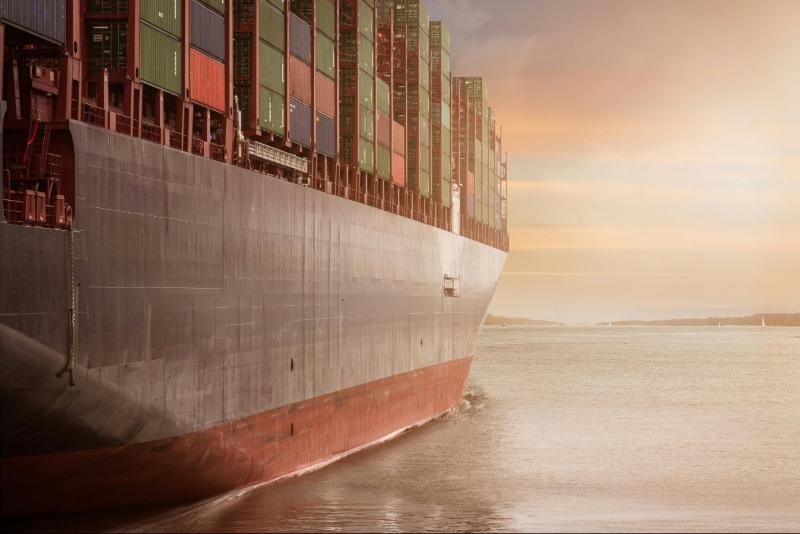
Back in the UK, around 70% of the Lanchester Group's portfolio is now transported in bulk – both a logistical convenience and a carbon-saving measure. As CEO Tony Cleary underlines, a container with a Flexitank can carry 24,000 litres of wine, 2.5 times more than bottled shipments, reducing carbon emissions by up to 38%.
"Bulk shipping and UK bottling are game-changers. Beyond the CO₂ reduction in transport, bottling closer to the point of sale allows us to use super lightweight glass – the Verallia 300g Bordelaise Air removes over 3 tonnes of glass per 24,000 litres packed, vs 400g bottle," he says.
But sustainable-led buying is not just about carbon reduction – it's about working with partners that share your values. "Collaboration is essential," agrees Cleary. "We work closely with producers to share best practices, from vineyard water management to lightweight packaging – we introduced the super lightweight 300g Bordeaux bottle in 2025 and are looking to move to 300g Burgundy in 2026."
Today, many of firm's winery partners are investing in renewable energy and regenerative agriculture. "Sustainability isn't a box-ticking exercise; it's a shared responsibility," he adds. At San Leonardo, Guerrieri Gonzaga has adopted the 'Equalitas – Sustainable Winery' as its main certification programme, "encompassing periodic audits, precise traceability, shared procedures, and measurable indicators across the three ESG dimensions."
The wine industry, like many others, is undergoing a profound transformation as sustainability increasingly influences buying decisions. Yet the subject of a mass transition away from glass, for example, in the name of carbon reduction remains controversial, with different stakeholders travelling in different directions.
"Sustainability should not just be about adopting 'green' practices," notes Bernard Fontannaz, CEO and founder of Origin Wine. "We could stop bottling in South Africa and ship entirely in bulk, but that would create massive job losses at our facilities, disadvantaging local communities and their families. The move toward sustainability is not as black and white as certain people make out – there are always trade-offs."
Nevertheless, many of the industry's leading gatekeepers have spoken. Buyers across the world now demand more than value for money; they expect transparency, responsibility, and a long-term commitment to the environment. Sustainability is no longer an option. It's a necessity.



.png)