
 final.jpg)
A natural at challenging convention, Dr John Forrest - and Forrest Wines - has become synonymous in New Zealand with risk-taking and experimentation. Yet not every innovation floats his boat, as James Lawrence discovers
In recent years, which innovation has genuinely improved wine - and which supposedly progressive development do you think the industry has perhaps overstated?
Without doubt, being part of the introduction of screwcaps to the world of wine has been one of the most significant changes I've witnessed. After more than 25 years of bottling wine under screwcap, I feel very confident endorsing it as the closure of choice for virtually any wine.
I recently opened a case of 2002 Riesling and Pinot Noir that we had bottled identically under both cork and screwcap. The result under cork was sobering. Only two of the 12 bottles were drinking at a premium level; the remainder showed varying degrees of inappropriate ageing and technical faults. It was a pretty compelling reminder of why we made the change.
At the other end of the spectrum, I think the industry has rather got carried away with no- and low-alcohol wine. I'm yet to be convinced that the quality lives up to the enthusiasm surrounding the category. To see the media and wine critics embrace these wines so enthusiastically is, at times, rather baffling. The category sometimes seems to be graded on a curve rather than against the quality standards we would expect from wine.
New Zealand wine has become globally synonymous with certain styles and varieties. How do you feel about that?
New Zealand's success, particularly with Marlborough Sauvignon Blanc, has been extraordinary. But with that success has come a very clear set of expectations around what New Zealand wine should taste like, what it should cost and what the market expects us to produce.
My observation is that, with a few notable exceptions, we've become consumed by a global behemoth that wants cheaper and cheaper product to help prop up a declining wine balance sheet. That inevitably makes genuine experimentation harder.
There is enormous creativity within the New Zealand wine industry, but we need to make sure we don't allow the commercial success of one style to define the limits of what New Zealand wine can be.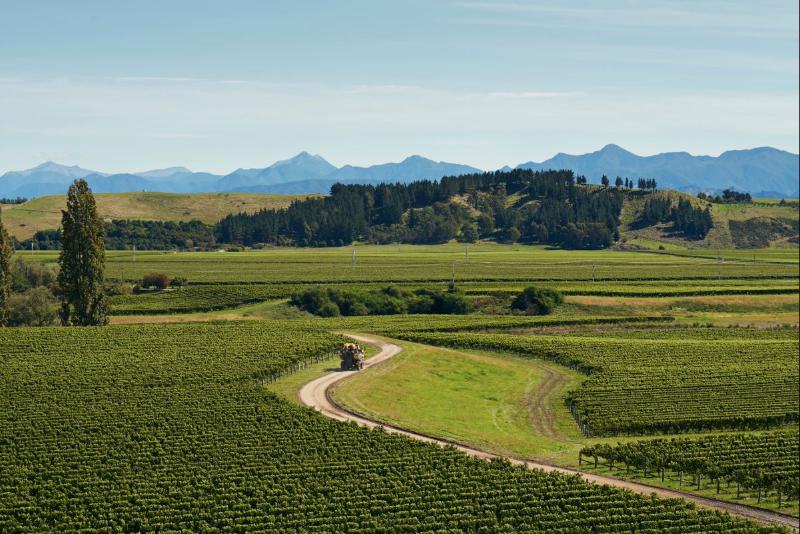
Looking back at the wines you're proudest of, were they the result of meticulous planning and technical knowledge, or did some of the most important breakthroughs come from intuition, mistakes and simply taking risks?
I'm pretty certain that if you asked my friends and fellow winemakers, they'd laugh and say, "That mad bugger Forrest has so many ideas, some of them have to work." And there's probably some truth in that.
One of the wines I'm most proud of was made around 30 years ago: a multi-regional, multi-varietal white wine at a time when New Zealand winemaking was wallowing in the purity of single varieties and single regions. It went completely against the prevailing thinking, which was precisely the point.
More seriously, though, being creatively free enough to produce a Marlborough Sauvignon Blanc at 9.5% alcohol that still shows true varietal and regional typicity, and can win gold medals against full-alcohol wines, is probably the biggest commercial achievement of my winemaking career.
Technical knowledge matters enormously, but some of the best things we've done at Forrest have come from being prepared to challenge convention, trust an idea and take the risk of getting it wrong.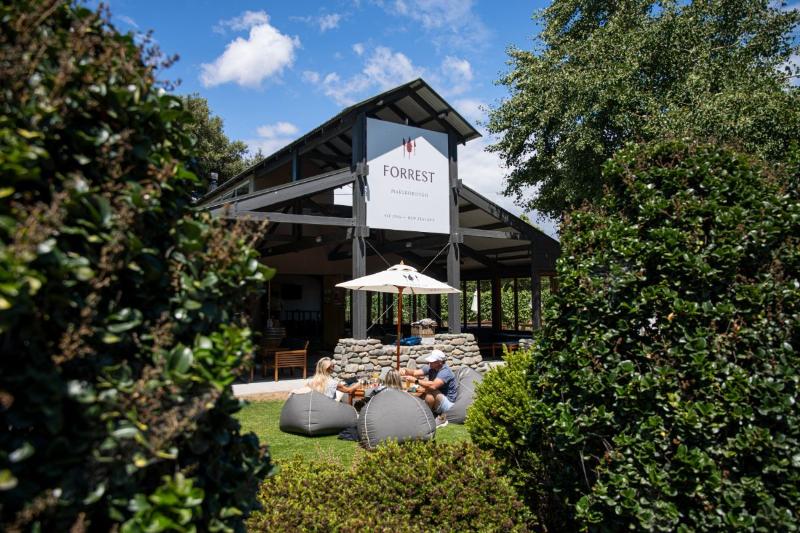
If you were starting again today, as a young winemaker entering an industry facing climate change, consolidation and changing consumer tastes, what would you do differently?
On a personal level, I wouldn't change much. Having the freedom to think freely has paid off handsomely for Forrest, and for that I have to thank my dear wife, Brigid, who held everything together while I chased dreams and crazy ideas.
What I would do differently is get out into the global market earlier. I'd spend more time observing what was changing, where consumer tastes were heading and what opportunities were emerging, and then direct some of that creativity towards areas where there was already a market waiting.
But I wouldn't compromise on the freedom to think differently.
Wine needs people willing to challenge accepted wisdom, try things that might not work and occasionally look a little mad in the process. That freedom has shaped my entire career, and I'd choose it again.

Get expert insights, weekly highlights, and exclusive stories from the world's most trusted wine competition.