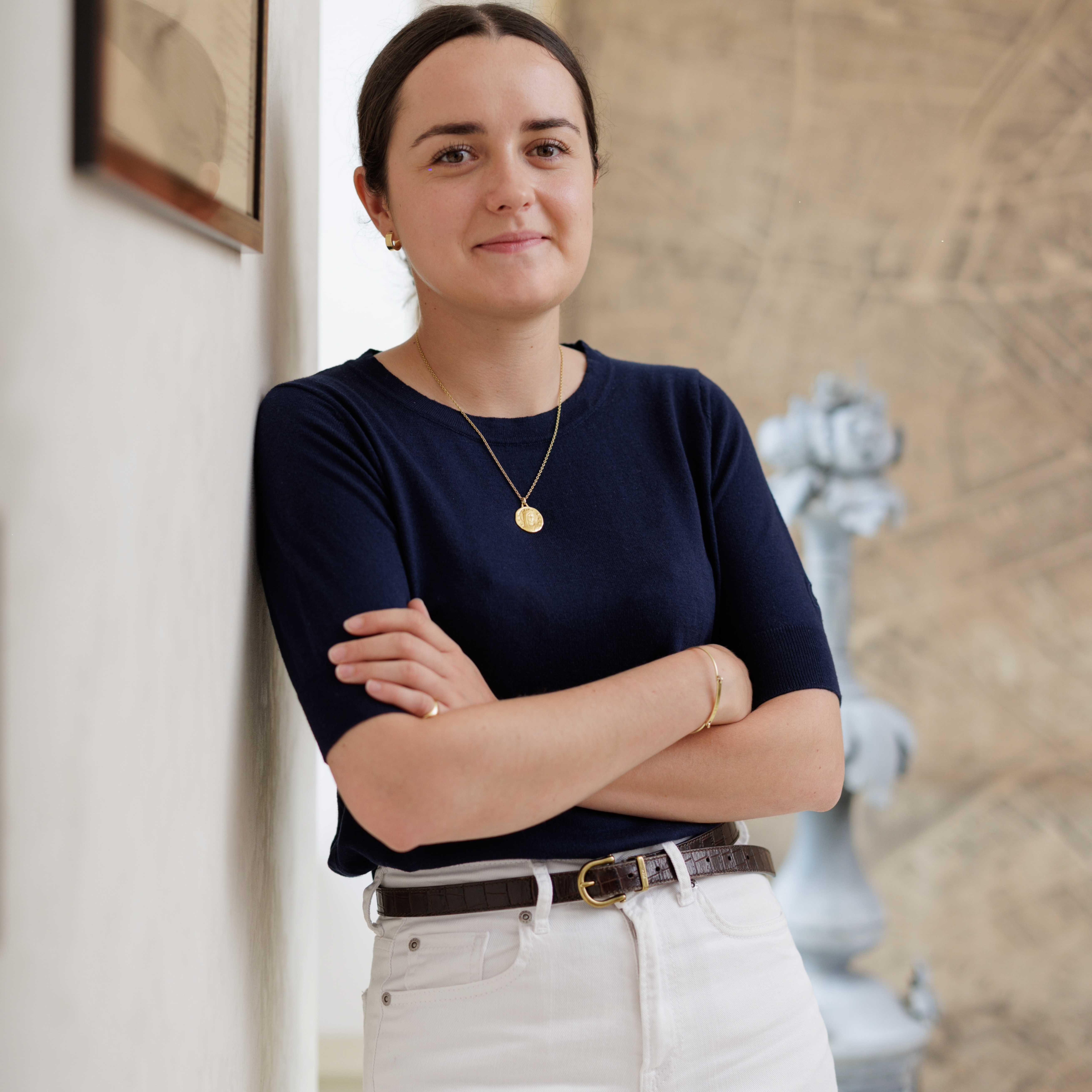
Jeanne Delaunay, daughter of Burgundian winemakers Laurent and Catherine Delaunay, is helping to shape the next chapter in her family's winemaking story.
A sixth-generation member of the Delaunay family, Jeanne is following a path first forged more than 130 years ago by her great-great-grandfather, Edouard Delaunay. At just 23 years of age, she took the helm of the family's Languedoc operation, Abbotts & Delaunay, the business her parents acquired in 2005.
Raised in a world of wine, she witnessed first-hand her parents' move from Burgundy to the Languedoc in 1995, where they established themselves among the region's pioneering producers.
Their passion for wine was inevitably passed on. Jeanne further developed her expertise through international experience with prestigious names, including Francis Ford Coppola Winery, Domaine de la Romanée-Conti and Coldstream Hills Winery.
When Laurent Delaunay acquired the Abbotts winery near Carcassonne in 2005, founded by Australian winemaker Nerida Abbott, he created Abbotts & Delaunay – a business that combined Australian innovation with Burgundian winemaking philosophy.
The estate became the natural home for Les Jamelles, the highly successful brand that the Delaunays had created during their early years in the Languedoc. Jeanne joined the family business in 2023 and, over the past three years, has begun to stamp her own identity firmly on its future direction while remaining true to the values and expertise inherited from her Burgundian roots.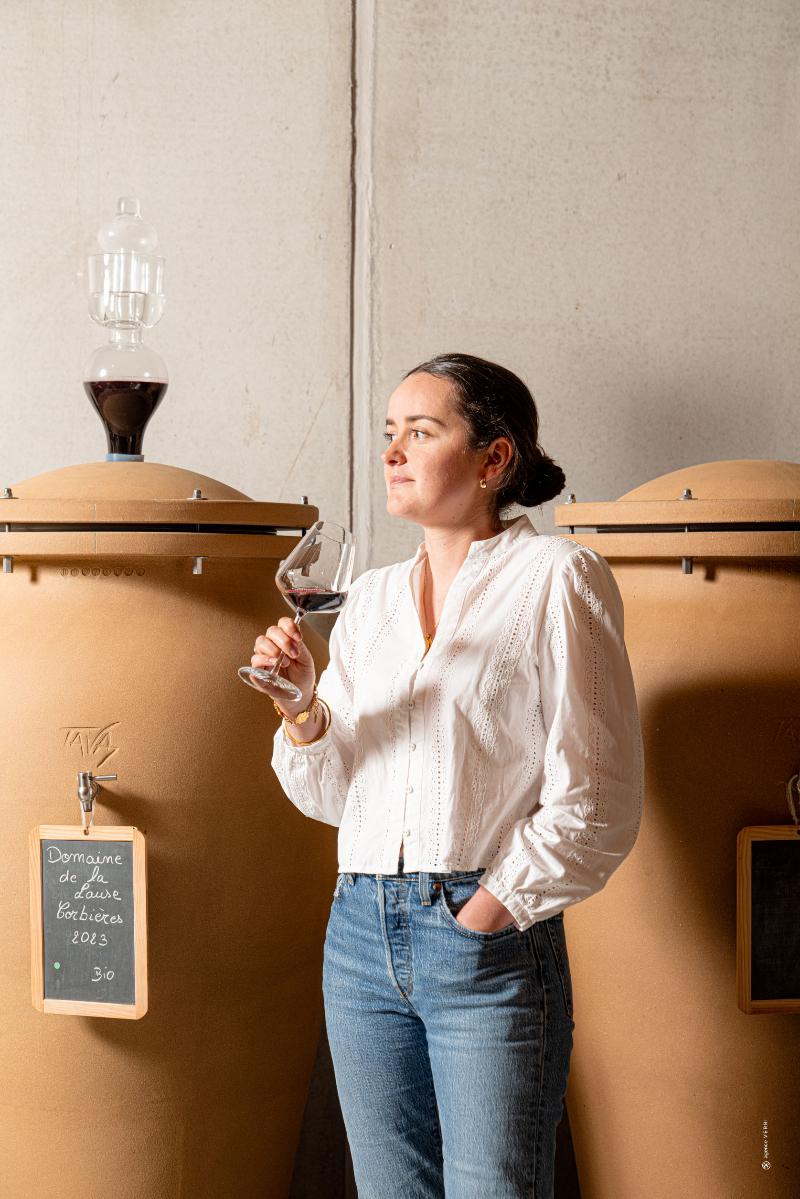
"Haute couture wine" is a phrase Jeanne Delaunay uses frequently. It underpins both her vision and the company's strategy. She relishes the creative freedom afforded by the Languedoc, unencumbered by Burgundy's stricter regulations, while simultaneously introducing a more Burgundian emphasis on freshness, elegance and site expression to the naturally generous, fruit-driven wines of southern France.
"I am very focused on maximising the potential of individual terroirs," she explains. "It's about highlighting vineyard expression and using our winemaking expertise to showcase the very best of each variety. We want to celebrate terroir, match the right grape to the right site and, through precision viticulture and innovative winemaking, unlock the full potential of every parcel."
Among the techniques being employed are whole-bunch fermentation, amphora ageing and the use of larger-format vessels, alongside Burgundian-inspired approaches designed to craft wines of greater finesse and elegance.
Delaunay is equally committed to discovering and nurturing exceptional vineyard sites. From the limestone and clay slopes of Domaine de la Métairie d'Alon - which she describes as "the best area for Pinot Noir and Chardonnay, thanks to its soils and cooler climate, and the closest thing to Burgundy in the Languedoc" - to Domaine de la Lauze in the northern Corbières, where she applies lessons learned from Australia's cool-climate Syrah regions, site selection remains central to her philosophy.
The passion this young but ambitious winemaker brings to both vineyard and cellar is immediately apparent. Yet she is equally commercially astute, combining a clear brand strategy with a strong commitment to innovation and sustainability.
"Adaptability and innovation are in our DNA," she says. "Whether it's identifying new vineyard sites, exploring different techniques or working with lesser-known grape varieties, we're constantly looking for ways to strengthen the reputation and elevate the image of Abbotts & Delaunay."
The portfolio itself follows a clearly defined hierarchy. "We operate across three tiers," she explains. "First come the varietal and entry-level wines, followed by the regional range, and finally our single-vineyard wines – our "haute couture" collection. These are produced in limited quantities, and each has its own distinct personality."
Among these flagship wines is Le Palajo, a high-altitude vineyard in Limoux producing Chardonnay in a distinctly Burgundian style.
Les Jamelles remains a key driver of the business, with a strong on-trade focus and distribution in more than 55 countries. Around 60% of production is exported. Another important brand, La Belle Angèle, is aimed primarily at the off-trade, offering approachable regional and varietal wines inspired by the spirit of the Belle Époque and characterised by a distinctly French sense of joie de vivre.
Sustainability has become a major focus across the business. Vineyard conversion to organic and sustainable farming practices continues apace, supported by initiatives that encourage biodiversity, including sheep grazing among the vines.
Packaging has also been scrutinised. Since 2023, bottle weights have been reduced by more than 120g, delivering annual savings of 176 tonnes of glass and significant reductions in carbon emissions. Labels are now produced using 100% recycled paper.
"We're continually assessing packaging formats and opportunities for innovation," says Delaunay. "Single-serve formats are under consideration. We want to add value at every stage."
Wine-based RTDs may well be the next chapter, as she closely monitors the remarkable growth of the category in both the UK and US markets.
Innovation remains firmly on the agenda. Delaunay is experimenting with PIWI grape varieties and exploring ways to preserve and revitalise historic plantings of Grenache Gris. Four years ago, she launched a Vin Orange, and her latest development reflects growing consumer demand for lower-alcohol alternatives.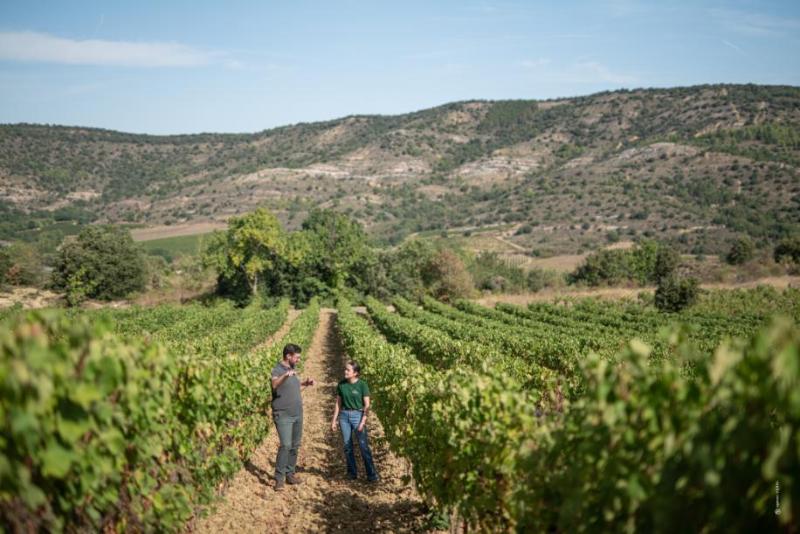
La Belle Angèle Lemon & Basil Spritz, a wine-based aperitif at 5.5% ABV, combines wine, water and natural extracts without added sugar or preservatives.
Jeanne Delaunay is an impressive figure. She possesses a clear vision, ambitious goals and the determination to realise them. Much like her father Laurent, who successfully revived the family's Burgundy business, she is driving change at pace and delivering increasingly impressive results. The Languedoc arm of the Delaunay empire appears to be in very capable hands.

Get expert insights, weekly highlights, and exclusive stories from the world's most trusted wine competition.