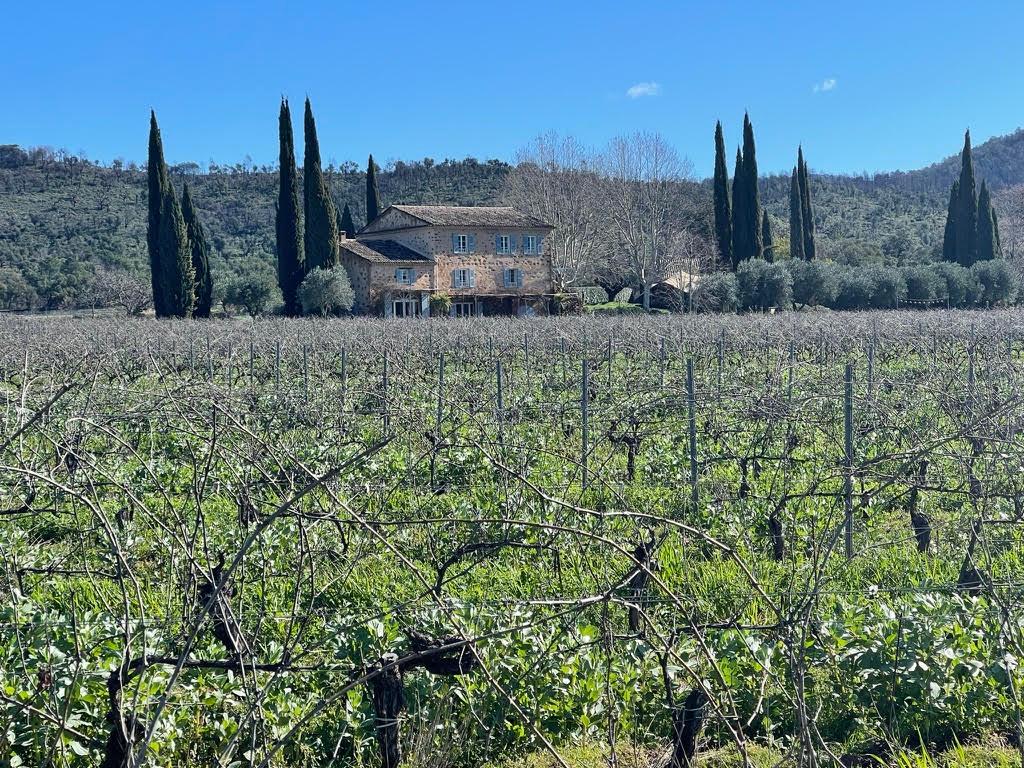
A textbook case of effective brand building and astute marketing, Maison Mirabeau proves that success in Provence does not require centuries of family history.
Region: Golfe de Saint-Tropez, Provence
Founded: 2009
Owner: Viña Concha y Toro
Vineyard holdings: 14 hectares
Lead Winemaker: Guillaume Cordonis
Annual production: Not disclosed
In an industry obsessed with projecting notions of tradition and heritage, the story of Maison Mirabeau is almost refreshingly entrepreneurial. When expats Stephen and Jeany Cronk arrived in Provence from London in 2009, they spoke little French, had no formal winemaking experience, and no family connections in the region. Yet they have triumphed – precisely by avoiding the temptation to leap headfirst into land ownership, instead building a wine business from the market backwards.
However, Cronk admits he initially planned to purchase a vineyard, complete with Instagram-friendly views, but found land prices prohibitively expensive. Instead, following the advice of Matthew Stubbs MW, they adopted a négociant model, working with leading growers and consultant winemakers (including Angela Muir MW in the early years) to create blends under the Mirabeau label. "It has been 17 years since we sold our London home and set out to make a new life in the South of France, yet it still feels like yesterday," says Cronk.
"We didn't quite know what to expect, only that the odds were firmly stacked against us: two outsiders arriving in Provence to build something in a highly competitive wine region." Their first wine, Mirabeau Classic 2010, was launched in 2011, quickly securing a listing with Waitrose. For almost a decade, this business model prospered, building distribution, brand recognition and export clout without the burden of owning vineyards or winery infrastructure. But in 2019, the Cronks acquired a 20-hectare property in La Garde-Freinet, in the Gulf of Saint-Tropez.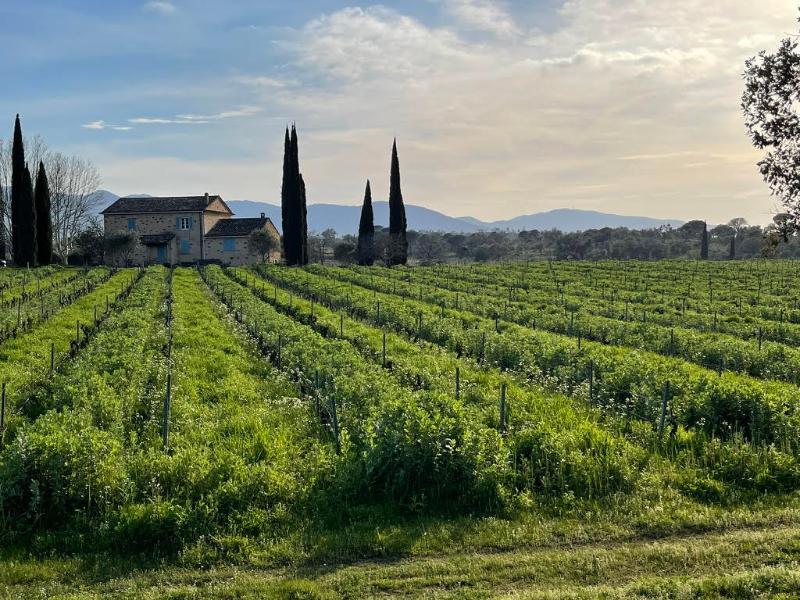
Located in the heart of the Côtes de Provence appellation, it is prime real estate: alluvial deposits mingle with schist and volcanic pebbles, all resting upon ancient red sandstone formations. And the new owners have been busy: replanting programmes, biodiversity initiatives and soil regeneration projects have transformed the property over the past six years. Today, Mirabeau is farmed organically and was the first estate in the Côtes de Provence to achieve Regenerative Organic Certified® status, attaining Silver certification in 2024.
The modern range includes the Pure, Classic and Etoile rosés, alongside a growing portfolio of Provence wines, gin and spritzes, crowned by the Domaine Mirabeau La Réserve. The flagship rosé, it is very much on-trend, using barrel maturation to add texture and weight to a category that can sometimes appear homogeneous. Incorporating a high percentage of Vermentino, it is very much a gastronomic style designed for the dining table rather than the beach club.
So there we have it: a masterclass in brand building without so much as a barrel or stainless steel tank on-site. In February 2026, Chilean wine giant Viña Concha y Toro acquired a majority stake in the business, albeit Stephen Cronk remains CEO. The next chapter in Mirabeau's global ascendancy, or the moment a fiercely independent success story joined the corporate mainstream? Only time will tell.
Q&A: Stephen Cronk, Co-Founder, Maison Mirabeau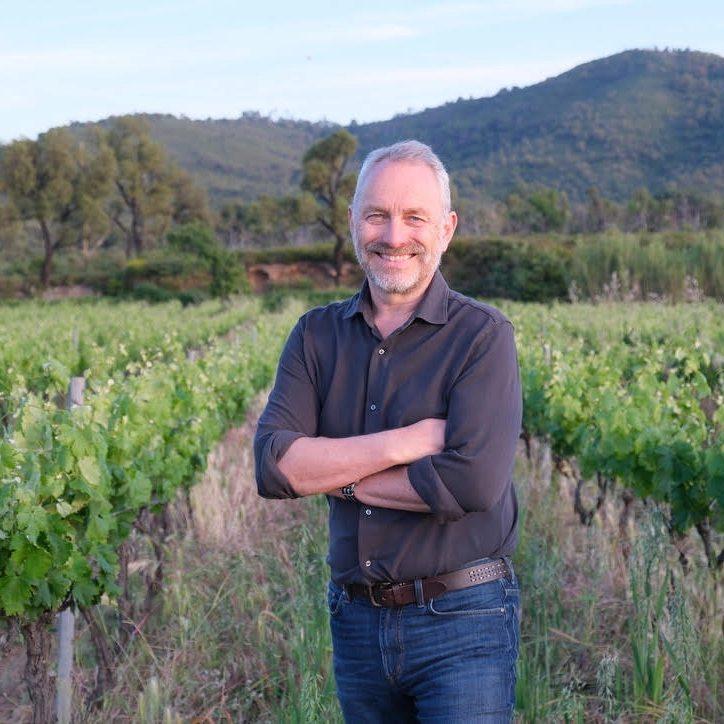
Looking back at Mirabeau's journey, what have been the most pivotal moments in transforming the business from a start-up rosé brand into a vineyard-owning estate?
There were several pivotal moments along the way. The first came during our early research, when a chance meeting introduced me to Matthew Stubbs MW, then a wine educator at Château Gayda in the Languedoc. Matthew proposed a different route, describing what he called the three Vs of wine: Viticulture, Vinification et Vendre. Given my complete lack of experience in the first two, he encouraged me to focus on the third – selling wine. His advice was to work with the very best growers, and channel our energy and limited capital into building a brand and strong distribution. He was convinced this would be the surest path to eventually owning our own vineyard. As it turned out, he was absolutely right.
The second major turning point came through another act of generosity, this time from James de Roany, a producer and CIVP member, who helped steer us towards the right production partners. We went on to build a high-quality négociant business within the Provence appellations before eventually returning to our original dream: finding our own piece of Provence.
We viewed more than 39 estates, supported throughout by the patience of Adam Dakin, the estate agent who remembered me from that very first search. Then we came across a vineyard that ticked every box. We knew immediately it was a pépite, as they say in the South of France – a rare gem, simply waiting to be awakened.
Over the past six years, we have carefully restored both the vineyard and the property, creating a place where the Mirabeau brand can truly come to life. Today it is also a centre for regenerative agriculture, set within one of the most diverse and beautiful landscapes in Provence.
The rosé category has become increasingly crowded and competitive over the past decade. How has Maison Mirabeau evolved its positioning to stand out?
We knew from the outset that we'd need to be smart about our positioning if we were going to stand out from the hundreds of producers in the region. In the early days, we embraced this new thing called social media – this was 2010, after all, before Instagram even existed. We focused on being accessible, engaging, unpretentious and, above all, fun.
Our marketing has naturally become more sophisticated over time, but it remains rooted in those same values. We want to invite people into our sunny corner of Provence and make wine approachable and enjoyable.
What has never changed, however, is our obsession with quality. A commitment to serious winemaking has been the foundation of everything we've done. It's earned us the trust of both consumers and the trade, and remains our most important point of difference.
We've also been deliberate about building a strong sales and marketing team with experience drawn from across the wider drinks industry. Jeany and I may have started with very little wine-industry experience, but we've always surrounded ourselves with people who are genuine experts in their field. That balance has been central to our success.
Regenerative farming requires significant investment and can involve short-term risks. What has been the toughest commercial challenge in transitioning to regenerative viticulture, and where have you seen the strongest returns?
I believe the wine industry will increasingly need to move away from conventional, industrial farming practices and embrace regenerative agriculture. The early movers will reap the benefits.
We simply cannot continue farming extractively – degrading soils, depleting water resources and reducing biodiversity. It's short-sighted and ultimately unsustainable. I also believe consumers will increasingly expect quality wine producers to demonstrate genuine environmental stewardship. Retailers looking to build trust with more conscious consumers certainly will.
Regenerative agriculture is less a prescribed set of practices than a philosophy. What it looks like in practice varies considerably depending on the vineyard and its environment. The initial investment lies primarily in planning and adopting techniques that rebuild soil health through natural processes. There may be some capital expenditure involved, but the biggest shift is one of mindset: moving from managing inputs to managing outcomes.
The rewards are compelling. Healthier soils lead to more resilient vines, better fruit quality and more stable yields, often with little difference in overall costs. The commercial argument is increasingly persuasive, while the moral argument is already clear.

Get expert insights, weekly highlights, and exclusive stories from the world's most trusted wine competition.