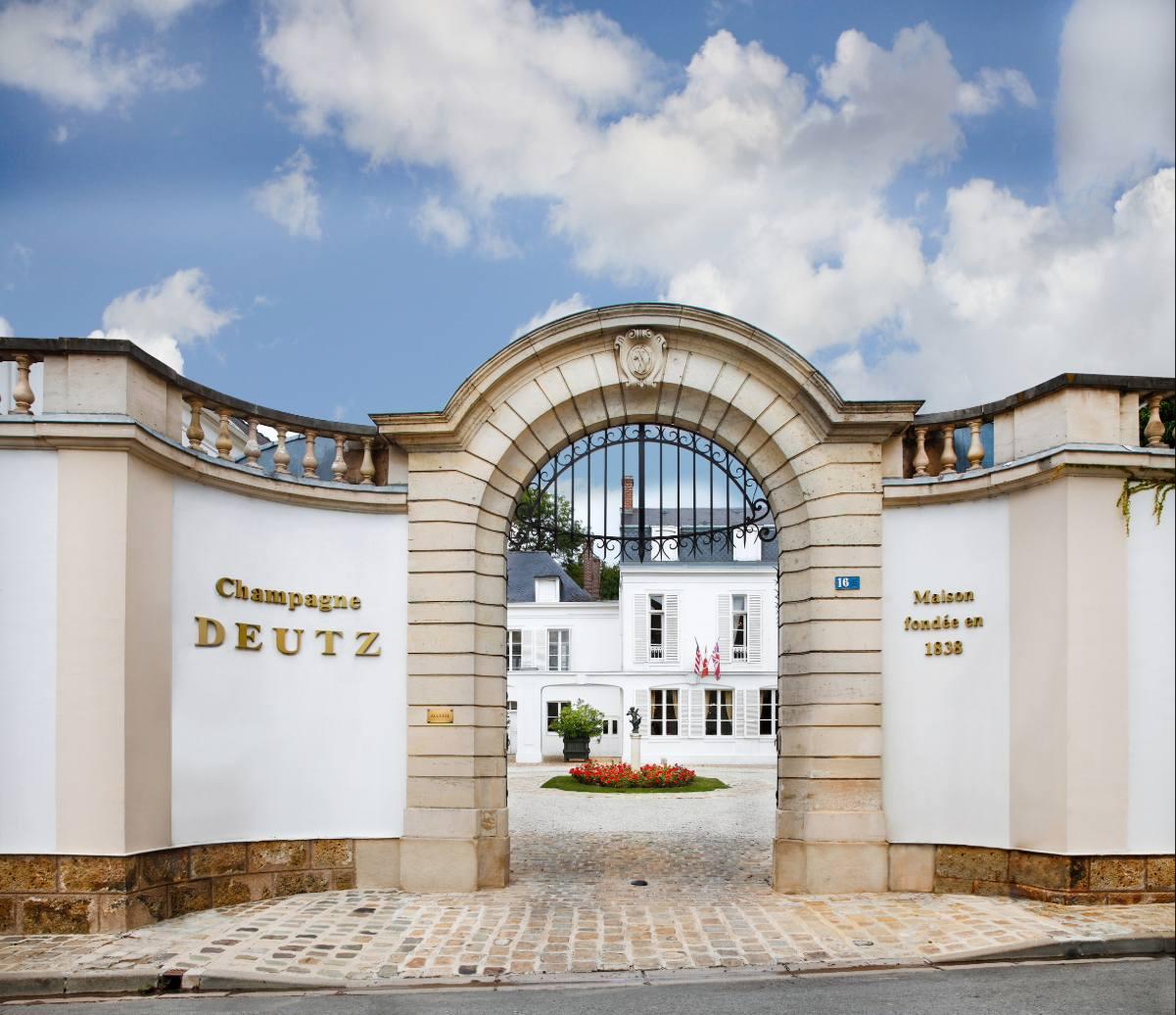
Founded in 1838, Deutz is one of Champagne's less flamboyant houses. Yet the quality and consistency of its wines is not to be sniffed at.
Region: Aÿ, Champagne
Founded: 1838
Owners: Roederer Collection (Rouzaud family)
Vineyard holdings: 39 hectares
Cellar Master: Caroline Latrive
Annual production: Not disclosed
Quiet and compelling consistency is the Deutz trademark, underpinned by exceptional vineyard holdings and long-standing relationships with growers across the Vallée de la Marne, Montagne de Reims, and the Côte des Blancs, all supporting a quality over quantity approach that has scarcely altered since the 19th century. Conspicuous luxury is not the aim here. Indeed, Deutz could well be one of Champagne's most underrated Grande Marques, offering some of the finest value in the category, which is remarkable considering it is owned by the same company that markets Cristal.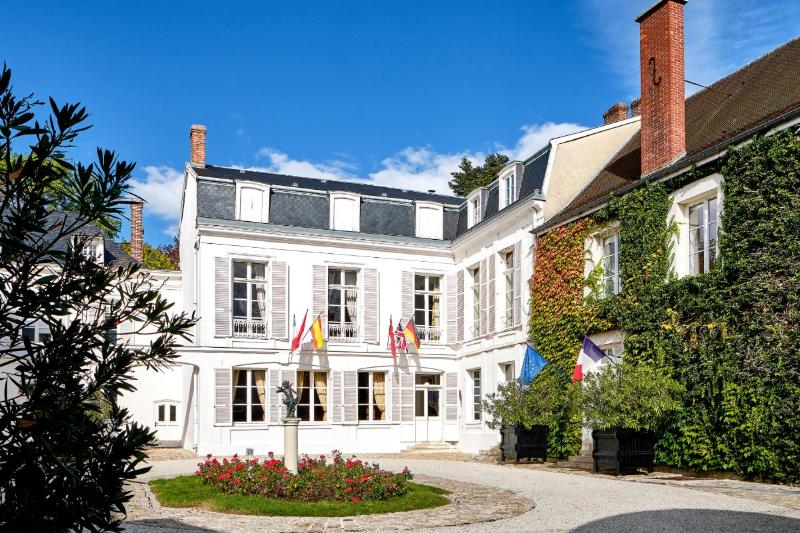
The house was founded in the 19th century by two German wine merchants, William Deutz and Pierre-Hubert Geldermann; the latter had experience at Champagne Bollinger, while Deutz brought his considerable business expertise and savoir-faire. Together, they built a quality-first house of modest volumes, before it was acquired by the Rouzaud family, owners of Louis Roederer, in 1993. Yet the brand has retained a distinctly independent identity, despite benefiting from the financial strength, global distribution network, and marketing panache of its iconic parent company.
Yet there is little stylistic synergy at Champagne Deutz. Instead of the Pinot Noir-driven weight and power often associated with Roederer, one encounters wines of delightful elegance and finesse, albeit the vintage cuvées tend to be considerably weightier than the NV Brut. Meanwhile, the prestige cuvée, William Deutz (available as Brut and Rosé), is among the very best of Champagne's luxury offerings: a wine of restraint and refinement rather than immediate opulence. The finest vintages, however, possess extraordinary longevity, and will reward patient cellaring with layers of toasty, savoury complexity.
Today, the house cultivates 39 hectares around Aÿ while sourcing the vast majority of its fruit from Grand Cru and Premier Cru vineyards within a 20-kilometre radius of the winery. Awarded both the Viticulture Durable en Champagne (VDC) and Haute Valeur Environnementale (HVE) certifications in 2015, Deutz has begun converting its estate holdings to organic farming, with certification expected this year.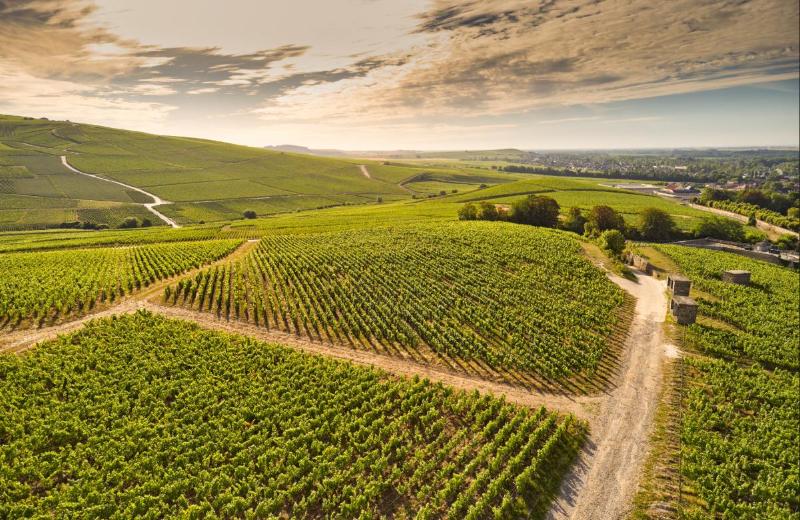
A major new chapter began in 2022 with the appointment of Caroline Latrive as cellar master, succeeding the long-serving Michel Davesne after two decades. Having previously held senior winemaking roles at Bollinger and Ayala, she is now custodian of one of Champagne's most reliable house styles. It may almost sound like damning with faint praise, but this venerable producer focuses on doing the fundamentals exceptionally well: high-quality fruit and nuanced, precise winemaking. In an age of ever louder luxury branding, Deutz is content to let the wine do the talking.
Q&A: Cyrille Harmel, Export Director, Champagne Deutz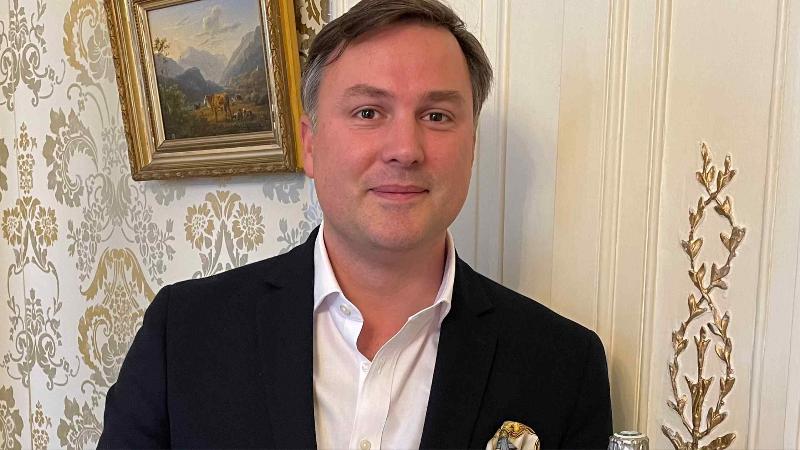
Champagne Deutz has a reputation for elegance - how do you balance protecting that house style with the need to appeal to new generations of Champagne drinkers?
At Deutz, our priority is to preserve what defines the House: excellence, exclusivity and the elegant, precise style that has shaped our identity since 1838. Consistency, however, does not mean rigidity. Every vintage is unique, and our Cellar Master, Caroline Latrive, approaches each blend with a blank page, allowing each harvest to express its character while remaining true to the Deutz signature.
Consumer tastes have evolved towards fresher, brighter, more drinkable Champagnes. Rather than following trends, we respond through thoughtful blending and carefully calibrated dosage, always preserving the balance and elegance that define our wines.
Alongside the wines, we are modernising how we present the House through refreshed branding, digital storytelling and immersive experiences. By-the-glass placements, partnerships with sommeliers and chefs, and stronger digital communication help introduce younger audiences to Deutz. Innovation is not about changing who we are, but about finding new ways for each generation to discover our identity.
Across your international markets, where are you seeing the most significant shifts in consumer behaviour?
Champagne consumption is becoming increasingly fragmented, requiring tailored market strategies rather than a single global approach.
In mature European markets, consumers are drinking less often but choosing more carefully, rewarding genuine quality and provenance. In the United States, premium experiences remain important, although purchasing is increasingly influenced by digital discovery. Japan continues to value craftsmanship and consistency, while parts of Asia are shifting from status-driven purchases towards gastronomy and more personal luxury experiences.
Our strategy is to prioritise the right distribution over the widest distribution, focusing on leading restaurants, premium retailers, specialist merchants and travel retail. We are equally disciplined with pricing and inventory to build sustainable demand rather than short-term volume.
Consumers also want greater transparency. They are interested in where wines come from, how they are made and the people behind them. We recently redesigned the labels of our Hommage à William Deutz cuvées to include detailed technical information such as dosage, grape variety and disgorgement date.
Environmental responsibility is another growing expectation. Our estate vineyards have held HVE Level 3 certification since 2015, and we expect to complete our conversion to organic viticulture this year. We also work closely with our partner growers to support their own sustainability commitments. Education has become central to our export strategy because greater understanding creates deeper appreciation and long-term loyalty.
The Champagne category faces many headwinds: what do you see as the biggest opportunities and challenges for Champagne Deutz over the next five years?
Despite the challenges, we see significant opportunities. Consumers increasingly value authenticity, quality and transparency - principles that have always guided Deutz.
As an independent House, our strength lies in craftsmanship, precision and consistency. We want to grow internationally by helping consumers better understand our wines, terroirs, blending philosophy and the people behind every bottle.
Education is also essential in explaining what makes Champagne unique. As a protected Appellation d'Origine Contrôlée, Champagne follows some of the world's strictest production standards. At Deutz, around 70% of our grapes come from Premier Cru and Grand Cru vineyards, sourced through long-standing grower partnerships alongside our own estate vineyards in Aÿ. This exceptional fruit is the foundation of the elegance and consistency that define our style.
Our ambition is not to be everywhere, but to be present in the places that shape opinion and to work with partners committed to long-term brand building. Sustainable growth will come from desirability, education and repeat appreciation rather than broader distribution. In an increasingly competitive sparkling wine market, our greatest differentiator will remain the timeless elegance of the Deutz style, supported by a transparent, human and educational approach.

Get expert insights, weekly highlights, and exclusive stories from the world's most trusted wine competition.