Multifaceted and no slouch in the quality department, Bersano proves that scale and character are not mutually exclusive.
Producer Profile: Bersano
Region: Piedmont, Italy
Founded: 1907
Owner: Massimelli Family
Vineyard holdings: 166 hectares under vine, 230 hectares in total
Winemaker: Roberto Morosinotto
Annual production: Approximately 1 million bottles
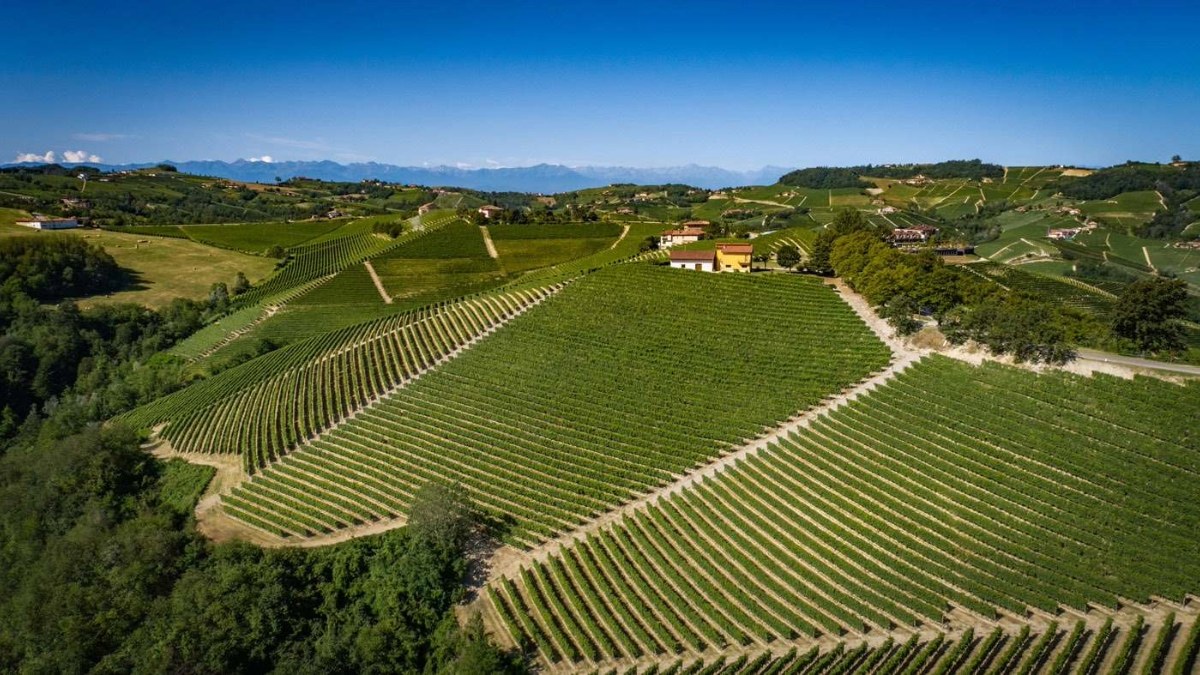
Bersano pivots between two worlds – venerable producer of Barolo crus on the one hand, and a sizeable producer of Piedmontese wine on the other. From its headquarters in Nizza Monferrato, the company has spent more than a century accumulating a broad swathe of vineyards across the undulating landscapes of Langhe and Monferrato. These include Barbera from the hills around Nizza, Moscato and Brachetto from Acqui, and the storied Barolo crus of Cannubi and Badarina. Yet this isn't a story of bijou-scale craftsmanship and boutique production. It is a story of remarkable consistency across the range.
The house was founded in 1907 by Giuseppe Francesco Bersano, although it was his son Arturo who transformed the business into one of Piedmont's most dynamic estates. A former lawyer, Arturo was an early advocate of direct vineyard control and estate production. His maxim - "If you want to drink well, buy a vineyard – remains central to Bersano's philosophy today. Since 2021, the firm has been owned by Arturo's successors through the Massimelli family, with Federica Massimelli at the helm alongside her three sisters.
But in some ways, it is business as usual: Bersano's vineyards are concentrated around ten cascine – historic farmsteads that the company treats as individual terroirs. Today, vineyard management remains broadly conservative, with selective bunch thinning, spontaneous grassing and the reuse of pruning residues – call it an 'organic-leaning' approach. Meanwhile, fermentation in stainless steel tanks, combined with maturation in French oak tonneaux and Slavonian casks, delivers wines that are polished and dependable, while allowing the character of each vineyard and variety to come shining through.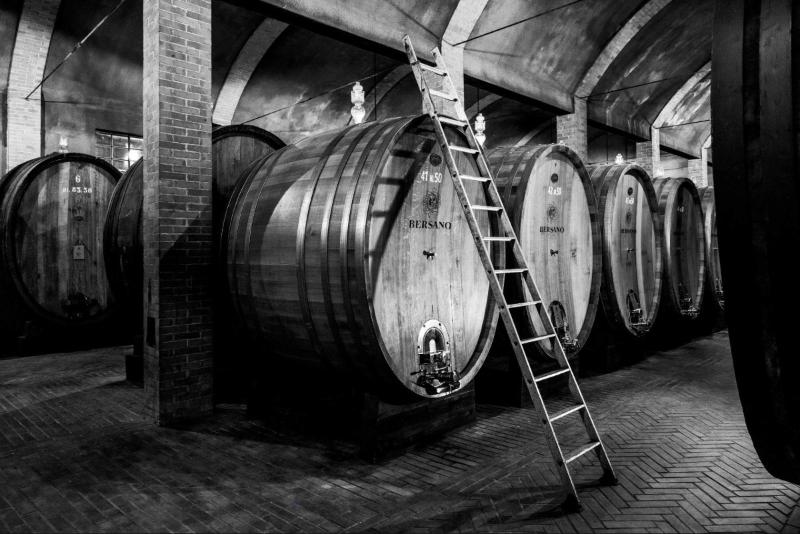
Of course, consistency does not automatically equal bland homogeneity. Bersano is large enough to benefit from scale, but well-resourced enough to prioritise quality and terroir character; its numerous vineyards tell many stories, and each one of those stories is unique and undiluted. Many decades before it became fashionable, Arturo Bersano was investing in vineyards and linking quality to place. That philosophy continues to be articulated today, but with a modern emphasis on precision and sustainability. Onward and upwards.
Q&A: Federica Massimelli, President and CEO, Bersano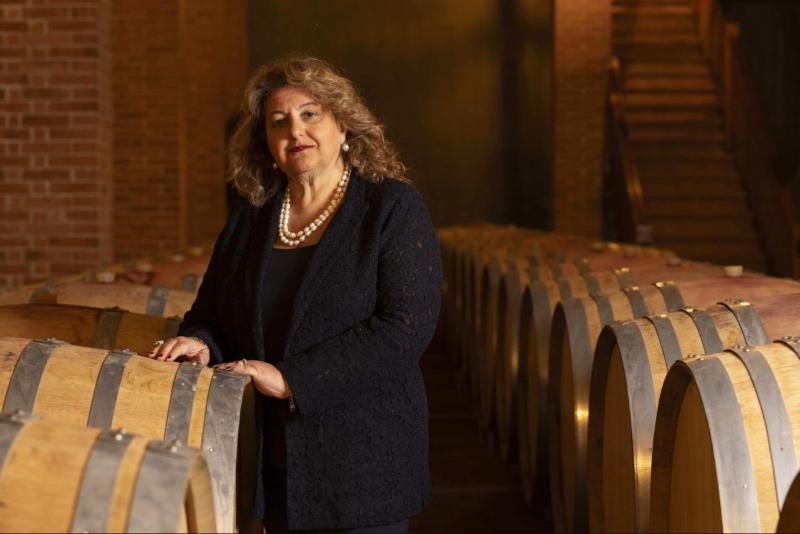
You became Bersano's first woman at the helm. Do you think the wine industry sometimes puts too much emphasis on the gender of its leaders and not enough on what they actually achieve?
I do. Being the first woman to lead Bersano is part of our history, but it should not define my leadership. Gender matters when it creates barriers or limits opportunities. Beyond that, I believe business should be very simple: leadership is about competence, vision, decisions and results.
I am proud to be the first woman at the helm of Bersano. But what matters to me is not being the first. It is what we are building, how we are transforming the company, and the Bersano we will leave to the next generation.
Ultimately, the best sign of progress will be when a woman leading a wine company is no longer a story. It is simply leadership.
Bersano entered Serralunga d'Alba back in 1968, while today the market is placing ever greater value on vineyard-specificity and cru identity. Do you think a historic producer like Bersano has to rethink how it presents Barolo?
I don't think we have to choose between the strength of Bersano and the identity of a place. The real opportunity is to make them reinforce each other.
Bersano has been in Serralunga d'Alba since 1968. That history gives us credibility, but today credibility alone is not enough. Consumers want to understand where a wine comes from, why that vineyard matters and what makes it different. And I believe that is a positive evolution for Barolo.
Our direction is therefore very clear: Bersano remains the signature, but the place must increasingly become the protagonist. That means being more precise in the way we communicate our vineyards, our crus and their individual identities.
Badarina must speak of Serralunga. The role of Bersano is to guarantee the quality, consistency and vision behind those expressions.
A strong house name tells you who stands behind the wine. A great Barolo should also tell you exactly where it comes from. For us, the future is in the strength of both.
How has your philosophy and approach evolved in the 21st century as both climate and consumer tastes continue to change?
Our philosophy has evolved in one fundamental way: we have become much more ambitious about what Bersano can be.
Climate change and evolving consumer tastes require us to be more precise, more responsive and more thoughtful in every decision. But for us, evolution is not about following trends. It is about raising our standards.
Today, we look at everything with the same level of attention: the vineyard, the wine, the design, the bottle, the label, the way we communicate and the experience we create around Bersano. Every detail matters because every detail contributes to the perception of quality.
Our ambition is very clear: we want to build wines and a brand that can become iconic. And iconic brands are not created through one great vintage, one beautiful label or one successful campaign. They are built through consistency, discipline and an almost obsessive pursuit of excellence over time.
We have more than a century of history behind us. Our responsibility now is not simply to preserve it, but to make the next chapter worthy of that history.

Get expert insights, weekly highlights, and exclusive stories from the world's most trusted wine competition.