
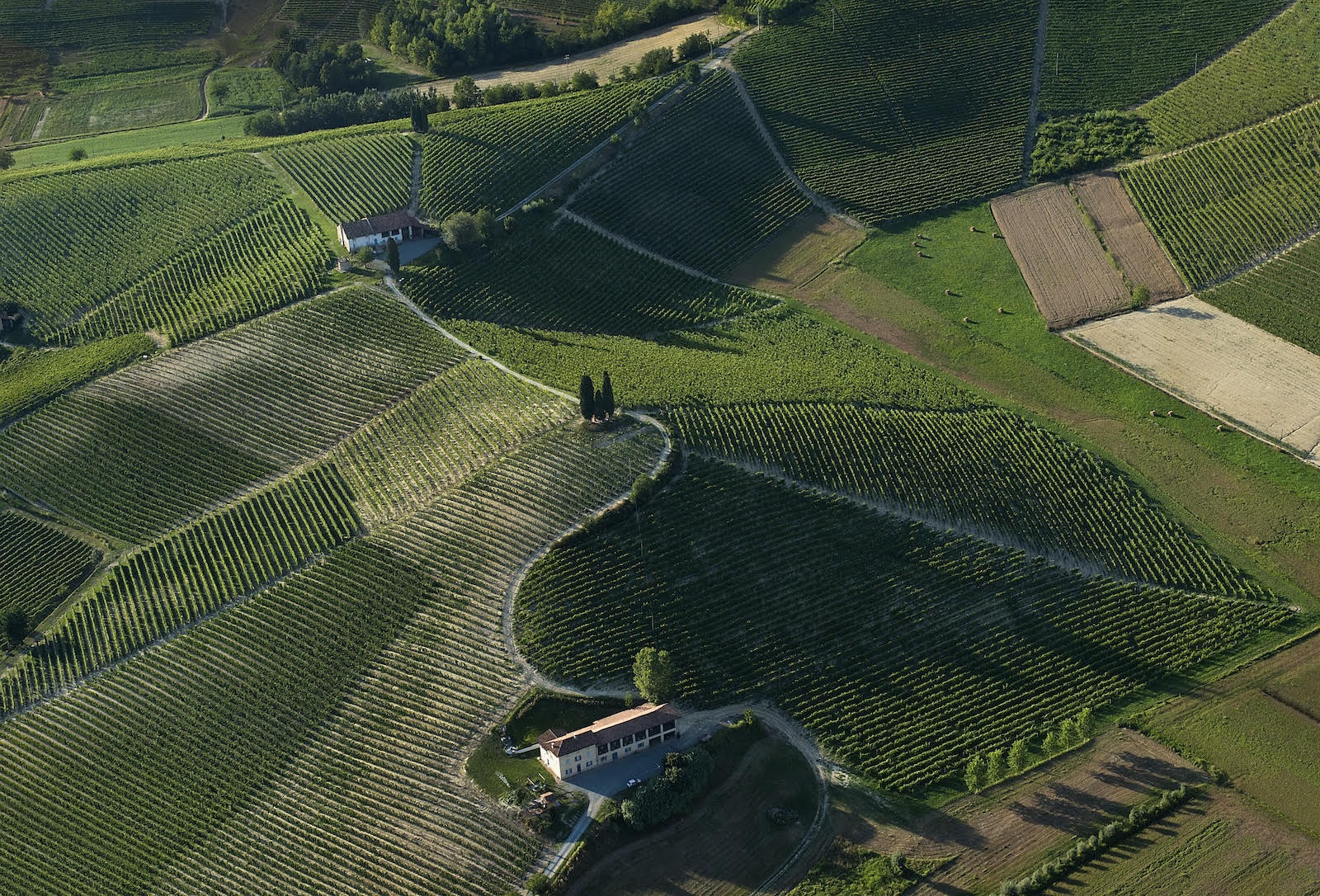
In the hills of Monferrato, Nizza DOCG is producing 'Grand Cru' wines that take Barbera to the next level.
Barbera is one of Italy's most widely planted red grape varieties, ranking fourth among the country's reds. Piedmont is its heartland, where the grape name usually takes pride of place on the front label. For decades, Barbera has been synonymous with everyday drinking.
That easy-going style feels especially well suited to today's more relaxed approach to wine. In warmer weather, many Barberas even benefit from a light chill. Yet since the early 1980s, a determined group of producers has championed a different expression of the grape: wines with greater depth and structure, often matured in new oak. These more ambitious Barberas have remained something of a niche, caught between their distinctive style and their typically higher prices.
While serious examples can be found throughout Piedmont, the best-known bottles often trade more on the reputation of the producer than on the appellation itself. Savvy wine lovers, however, are always on the lookout for lesser-known regions that consistently outperform expectations. Enter Nizza DOCG.
Nizza DOCG is compelling proof of Barbera's capacity for greatness. It is not the opposite of Barbera's approachable character - there are both classico and riserva styles, and the classico wines can be remarkably accessible from an early age. Yet Nizza consistently delivers greater intensity than most Barberas. Across just 250 hectares of vineyards nestled among the rolling hills of Monferrato, the grape takes on a distinctive collective nobilità - a quiet nobility.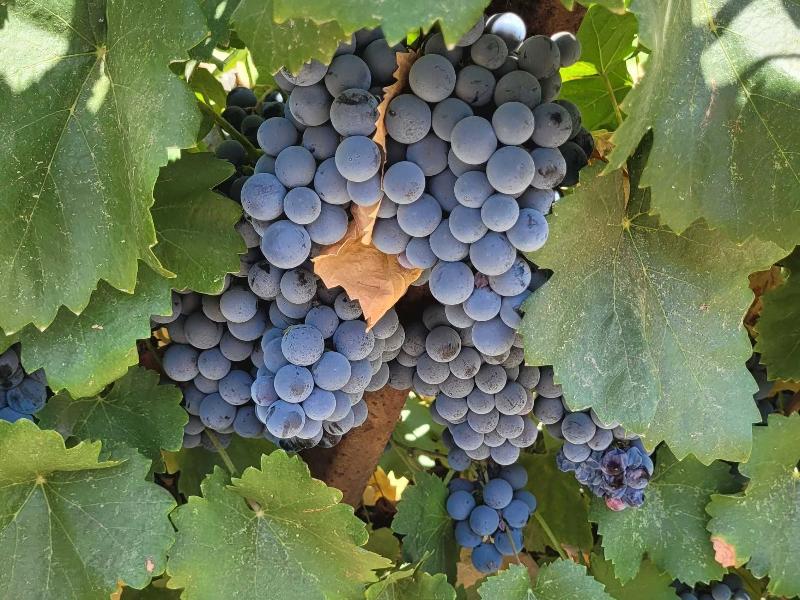
If great wine is made in the vineyard - and it is - then Barbera enjoys the finest sites in Nizza. Here, Barbera is the leading black grape, rather than playing second fiddle to Nebbiolo as it does further west around Alba. Nizza is also made exclusively from Barbera, whereas Barbera d'Asti may contain up to 10% of other authorised varieties. Monferrato Barbera, Barbera d'Alba and Piemonte Barbera may each include up to 15%.
The production rules reinforce that pursuit of quality. Yields are restricted to 49 hl/ha for classico wines and 44 hl/ha for single-vineyard bottlings. By comparison, Barbera d'Alba- generally regarded as one of the richer expressions of the variety - is permitted yields of up to 70 hl/ha. That is not to suggest that the best producers crop anywhere near that level, particularly in the hot, dry vintages of recent years. Nevertheless, Nizza's commitment to lower yields is striking for a grape capable of producing excellent wines even at considerably higher crop levels.
That additional concentration also allows the wines to absorb oak with greater ease. Classico wines spend at least six months in wood and a minimum of 18 months ageing overall, while riserva wines require at least 12 months in wood and cannot be released until they have matured for a minimum of 30 months.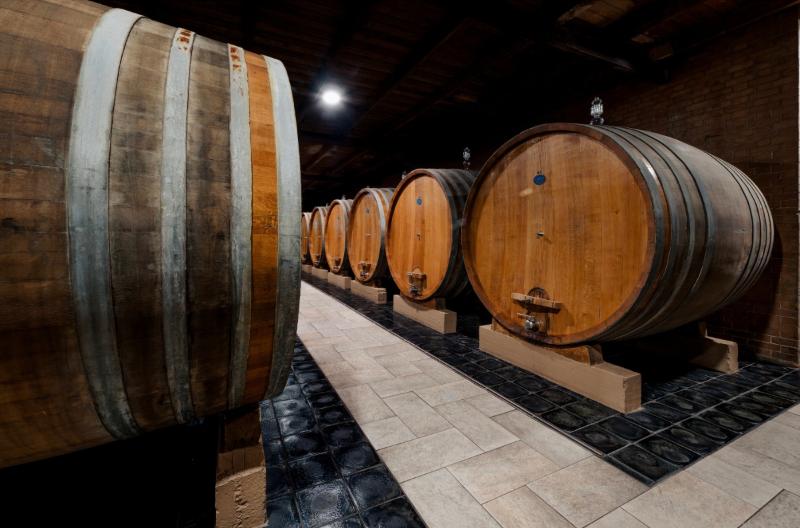
So why does Nizza remain relatively under the radar? One reason may be that the grape itself does not appear on the label. Stefano Chiarlo, current President of the Associazione Produttori del Nizza, explains that his father - the association's first President - and the pioneers of the Nizza movement deliberately removed the variety's name to create a stronger sense of place. Just as Barolo and Barbaresco do not need to mention Nebbiolo, the ambition was for Nizza to stand on its own. Here, terroir is the defining feature. These sandy, marly and loamy hills, once part of the Adriatic Sea, became part of the UNESCO Vineyard Landscape in 2014 - the same year that Nizza achieved independent DOCG status. The timing could hardly have been more fitting.
The association began with just seven producers in 2000, when Nizza was recognised as the special mention Barbera d'Asti Superiore Nizza. By the time it became a standalone DOCG in 2014, membership had grown to 30 producers. Today, around 100 wineries bottle wines under the Nizza name. Throughout that growth, the group has maintained a collaborative approach, tasting every member's wines before bottling and offering peer feedback in a shared commitment to raising standards across the denomination.
Today, production stands at around one million bottles annually. Stefano Chiarlo believes that figure could eventually reach four to five million as more vineyards come into production - vineyards painstakingly mapped in the early years of the campaign for DOCG status by the renowned cartographer Alessandro Masnaghetti.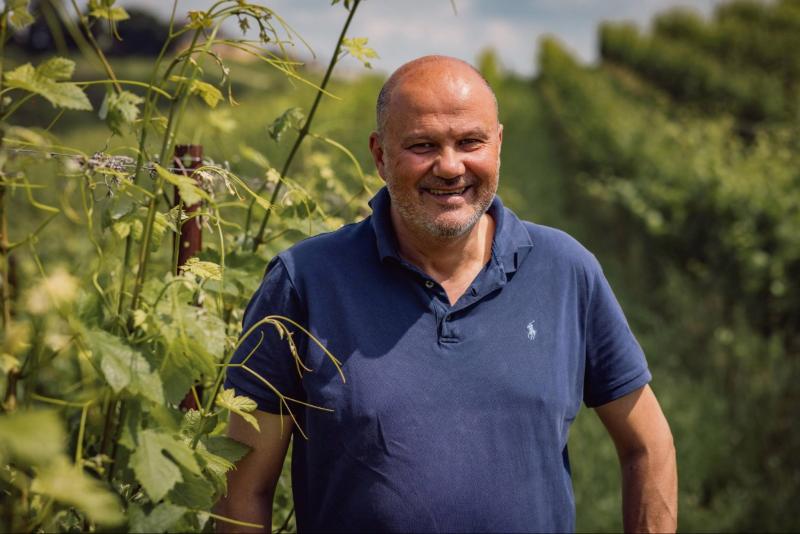
In Nizza, Barbera's complexity is turned up several notches. These are wines that belong both at the table and in the cellar. They deserve to be discovered now and followed over time. Take note today and, in years to come, you'll be able to say you recognised Nizza before the rest of the wine world caught up.

Get expert insights, weekly highlights, and exclusive stories from the world's most trusted wine competition.