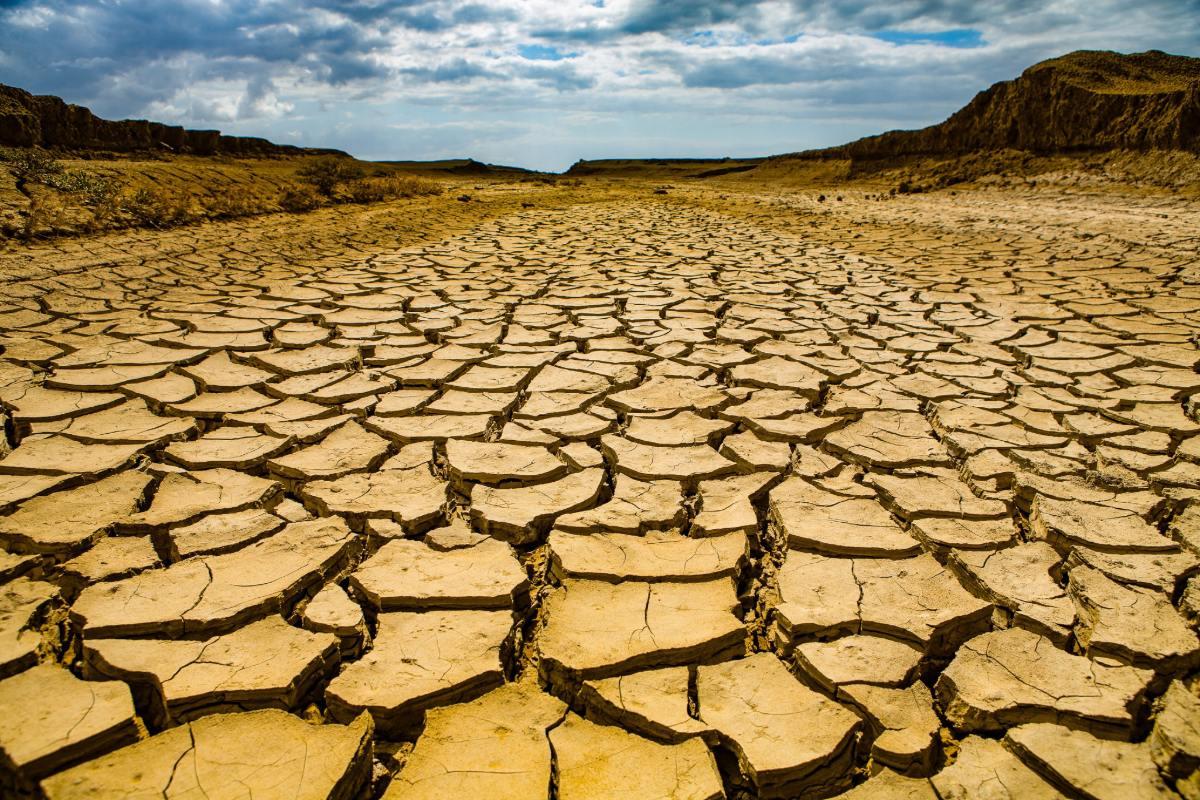
As record-breaking harvests become the new normal, Europe's appellation frameworks increasingly look woefully out of date. But will reform come in time, asks James Lawrence?
I'd give my left kidney – the one already knackered due to too much Sancerre – for one ride in Doc Brown's time machine. The destination? A Burgundy cellar in the mid-20th century, where I would tell the proprietor that they should stop worrying about excessive chaptilisation and August's deluge. One day, I would explain, you'll habitually be picking Pinot Noir with a potential ABV of 15%, and stocking up on the acid. They'd quite understandably think I'd gone round the twist.
Yet here we are: the future has arrived and what once seemed like an impossibility has become quotidian reality. In 2026, Burgundy began picking in Montrachet on 13 August, apparently surpassing a record that had stood since 1556.
Meanwhile, Champagne announced its earliest harvest on record, beginning in some villages on 6 August and officially opening across the appellation days later, beating the previous record, set last year, by just ten days. And when the exceptional becomes sequential, Europe's appellation system faces a problem far more profound than an unusually early vintage.
I have written about appellations before, quoting winemakers such as Loic Pasquet of Liber Pater and Domaine Gayda's Vincent Chansault, both of whom deride this fundamental backbone of European wine culture as "a good idea that has aged badly." But while I agree with many of their criticisms – detrimental rigidity and bias towards large producers - there is an even bigger structural issue at play. For while the codified relationship between place, grape variety and viticulture was never entirely static, the regulatory architecture has generally assumed that the underlying climatic conditions were. Today, that assumption is increasingly untenable, and major reform is now urgently required.
Tinker, tinker
Take irrigation, for instance. Currently, French appellation law prohibits irrigation of AOC vines from 1 May to harvest, although it permits a tightly defined derogation when hydric stress – a recurring issue in 2026 – threatens the quality of the crop. Going forward, it seems clear that parts of Languedoc-Roussillon and Provence, for example, will require irrigation more routinely, and that treating an increasingly important tool of climate adaptation as an exception requiring justification is no longer viable. And the further south you go, the more this matters.
According to Roberto Frias, viticulture director at Grupo La Rioja Alta S.A: "Over the past decade, and even the past two decades, we have noted significant changes in our vineyard sites across Rioja and Ribera del Duero." Both regions, he adds, "are especially susceptible to the effects of rising temperatures", which are often accompanied by prolonged periods of drought. Nevertheless, Ribera del Duero maintains a strict approach to irrigation, with the practice subject to conditions established and regulated by the Consejo Regulador - and this is the crux of the problem.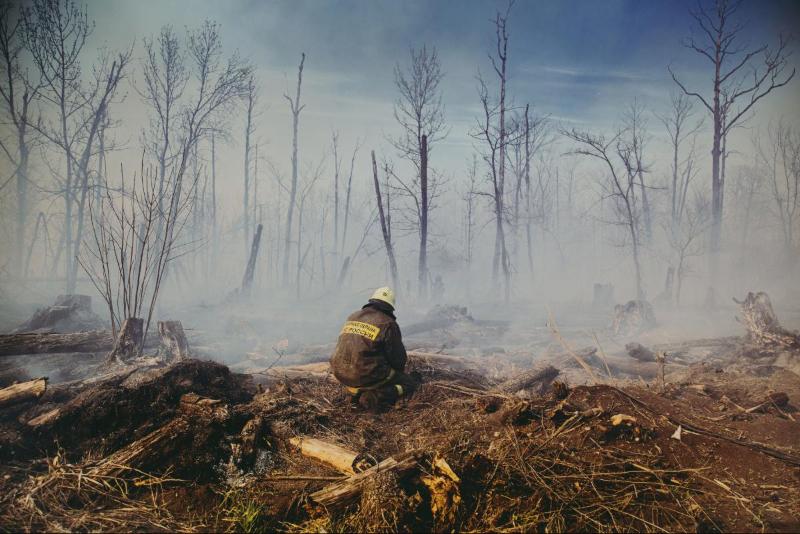
The same tension exists with grape varieties. Increasingly, varieties that have been cultivated in European regions for centuries are no longer suitable: later-ripening and more robust grapes are required. In Bordeaux, newer varieties are able to account for up to 30 percent of blends in Bordeaux/Bordeaux Supérieur wines. That is progress. But it also illustrates the problem: reform continues to be incremental.
"It's the nature of the beast that extreme weather events are becoming the norm," says KWV's chief viticulturalist Marco Ventrella, offering a New World perspective.
"Or rather that the norm is no more and we have to open up our minds to the potential issues, thus flattening the bell of our climate curve to include "'new' challenges."
Noah's Ark
To its credit, the INAO has publicly acknowledged the problem. In June, its national committee announced initiatives concerning the amendment of appellation frameworks and sustainable irrigation, explicitly acknowledging the need to adapt to climate change and evolving production practices. But despite aims to revise its national guidelines by February 2027 – and establish a "fast-track" procedure - change might still take years to reach the vineyard. Which is hardly reassuring during a crisis occurring in real time.
Am I peddling what conservatives describe as "climate hysteria"? After all, I cannot prove that next year will be a repeat of 2026. Or 2028. However, Richard Alley, Evan Pugh Professor of Geosciences at Penn State, reminds us that while weather may remain unpredictable on a year-by-year basis, climate change is not.
"The big picture is clear - human activities are having a strong warming influence on the climate," says Professor Alley.
"But it's important to note that this will not be a 'new normal' if we continue to release CO2 and do not take extraordinary measures to remove it or offset its effects. Instead, if we continue to release carbon dioxide, the climate will continue to change, and the future will continue to warm with all the associated effects. Successive generations may look back with nostalgia to today's climatic conditions that now appear challenging."
Global warming continues to make the business of winegrowing more difficult, mercurial, and time-consuming. Concurrently, earlier harvests affect labour, vineyard logistics and the economics of production; in Champagne, growers were reportedly scrambling to find pickers because harvest arrived while many workers were still on holiday. Regulations, labour models and viticultural assumptions formulated in the 20th century no longer apply. Meanwhile, competitors in the New World, less constrained by prescriptive appellation rules, are free to experiment, adapt, and rewrite the narrative.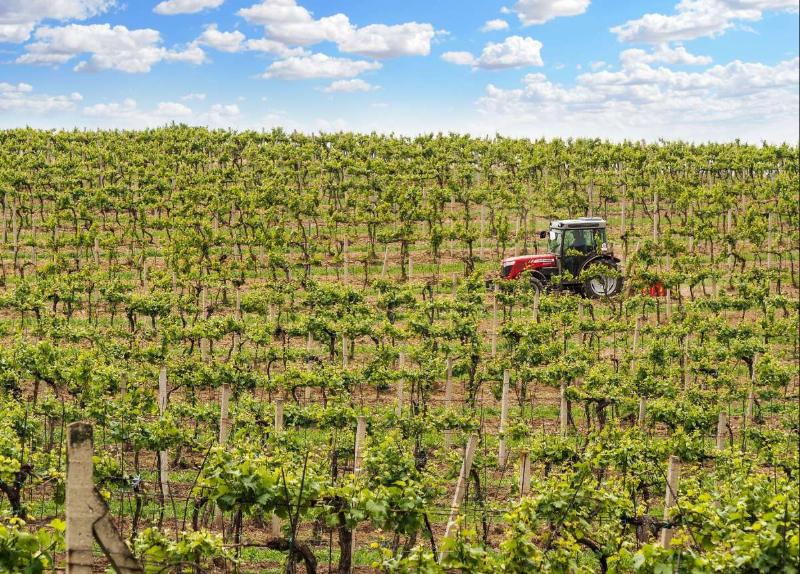
Traditionally, producers left appellation frameworks – Cava being a recent example – because of longstanding grievances over quality positioning and legally enforced mediocrity. In the coming years, many may take flight simply because the rules leave them unable to farm sensibly in the climate in which they find themselves.
It's do or die.

Get expert insights, weekly highlights, and exclusive stories from the world's most trusted wine competition.