The International Wine Challenge is undertaking a major transformation, bringing judging closer to producers while maintaining the international benchmark that has stood the test of time.
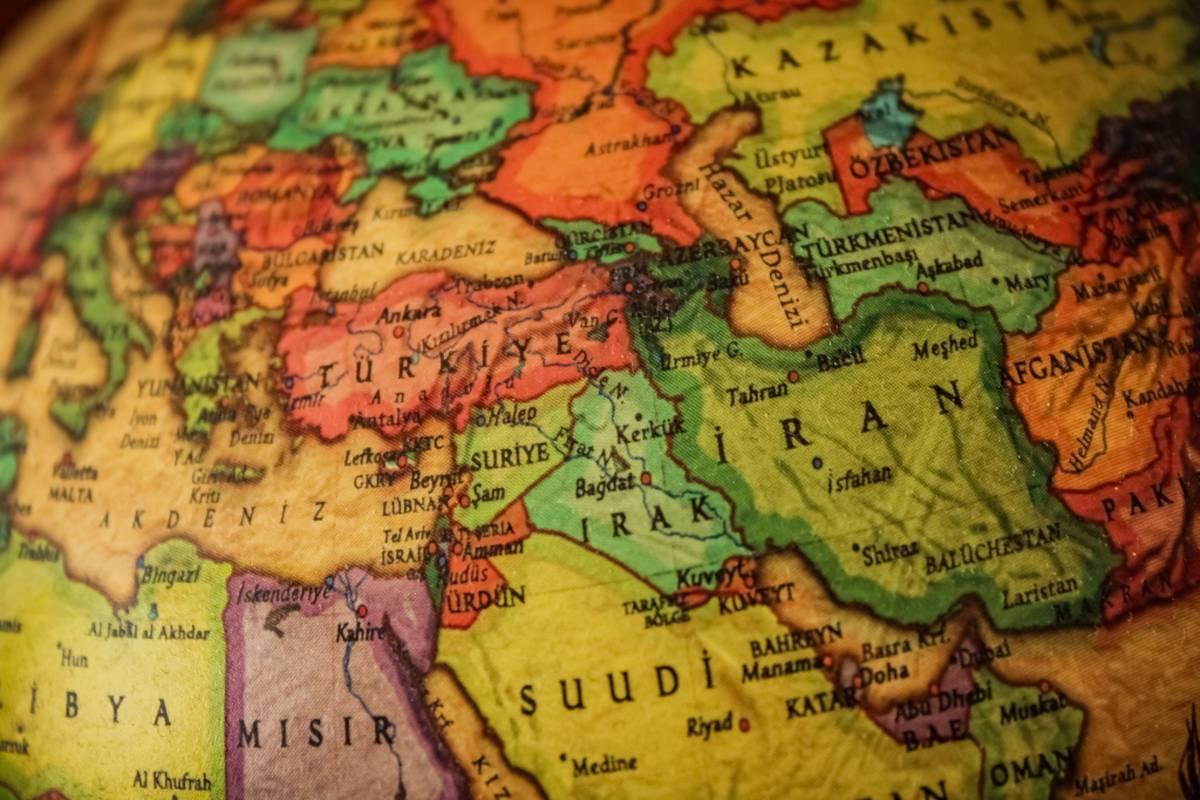
"Change is the only constant", once observed the Greek philosopher Heraclitus. Mindful of the changing dynamics of the wine industry – a business that is increasingly regional in the way it produces, sells and promotes wine – the International Wine Challenge is adopting a new competition model. The IWC is moving from a single global judging framework to four regional competitions, spanning the Americas, Asia Pacific, Europe and the UK - a watershed moment in our 42-year history.
From July 2026, producers entering the IWC will submit wines into one of four regional competitions. However, gold medal winners will still advance to London for International Trophy judging, preserving what has become the defining international benchmark for excellence in winemaking. Crucially, the first stage of assessment will now happen much closer to where the vines are grown and the wine is made, reflecting a wider industry trend towards local knowledge, regional identity and stronger producer engagement.
At first glance, this change appears largely operational in nature. Quotidian. Routine, even. But the implications extend far beyond logistics – it represents a fundamental shift in philosophy, reflecting the increasingly fragmented nature of the global wine business.
"Wine is global, but wine communities are regional," said Chris Ashton, chairman of the International Wine Challenge. He explained that the revised structure has been designed to bring the competition "closer to the producers, people and places shaping the future of wine", while maintaining the rigorous blind tasting standards that have long underpinned the IWC's global credibility..jpg)
New frontiers
The timing of the announcement could not be more appropriate. The diversification of fine wine continues apace: premium production has expanded across South America, Australia, and Asia, while emerging wine regions continue to seek greater international recognition. Yet many smaller producers, often family-run, may lack the resources to participate in traditionally European-centred competitions. At the same time, sustainability and greater scrutiny of carbon emissions are forcing a reevaluation of the environmental impact of sending samples across continents. Against this evolving cultural and political backdrop, regional judging represents an attractive paradigm.
Moreover, the IWC is not abandoning the "International" part of its acronym. Instead, we are creating a two-stage system that, while decentralising aspects of the competition, combines local expertise with global consistency. Regional judging will identify the medal winners before Gold medal-winning wines progress to London for final assessment.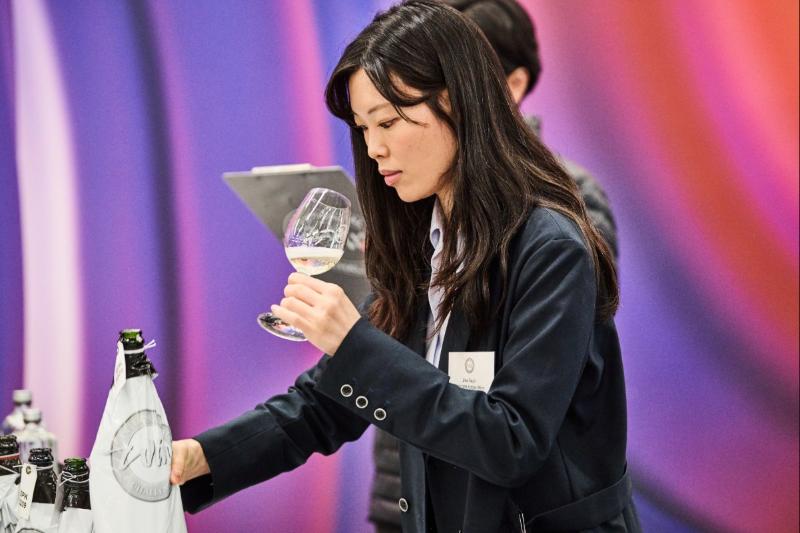
This is vital – one of the enduring strengths of the IWC has been its ability to compare wines from vastly different origins under identical conditions. Therefore, while this marks a significant evolution for the organisation, we're also placing a strong emphasis on continuity. Wines will continue to be assessed by international panels, bringing together experts from across the wine trade. In addition, the appointment of regional co-chairs is intended to strengthen insider knowledge without compromising consistency. Crucially, existing international leadership remains responsible for overseeing standards and Trophy judging.
"Wine reflects the places where it is grown, so it is fitting that judging should become more closely connected to those regions while maintaining a single international standard," said Yang Lu MS, regional co-chair, IWC Asia Pacific.
"The new structure brings the International Wine Challenge closer to producers, while preserving the independence, rigour and blind tasting process that have earned its global reputation."
Supporting the new structure is a major strengthening of the competition's leadership. In the UK, the panel will be led by Sam Caporn MW, Peter McCombie MW, Helen McGinn and Dr Jamie Goode, while the Asia Pacific competition will be chaired by professional heavyweights including Cathy van Zyl MW and Erin Larkin. The Americas team comprises Matías Prezioso, Patricio Tapia and Christy Canterbury MW, with European co-chairs due to be announced later this year. Meanwhile, Oz Clarke OBE will move to a new position of Judge Emeritus, bringing decades of experience to support the new generation of regional leadership.
The best of both worlds
Today, influence and export potential are no longer concentrated in a handful of traditional markets. As a result, producers want stronger engagement within their own regions before competing on the world stage, while buyers and consumers continue to value globally recognised endorsements. Meanwhile, regional events create opportunities to build stronger relationships throughout the year, rather than concentrating activity around a single judging week in London. From the outset, a primary motivation was to deepen our presence within regional wine communities, engaging producers who may previously have viewed participation as geographically or financially out of reach..jpg)
We believe the model offers the best of both worlds: regional accessibility underpinned by a single international standard. It offers a blueprint for how wine competitions can remain relevant in an increasingly decentralised world, bringing new meaning to the word "international" for the next generation of producers and consumers alike.
Entries for IWC Americas open on 1 July 2026, with IWC Asia Pacific following later on in July.
Key judging dates
IWC Americas
Mendoza, Argentina
2–6 November 2026
IWC Asia Pacific
Adelaide, Australia
30 November – 4 December 2026
IWC Europe
Montpellier, France
12–16 April 2027
IWC UK
London, United Kingdom
10–14 May 2027

Get expert insights, weekly highlights, and exclusive stories from the world's most trusted wine competition.