
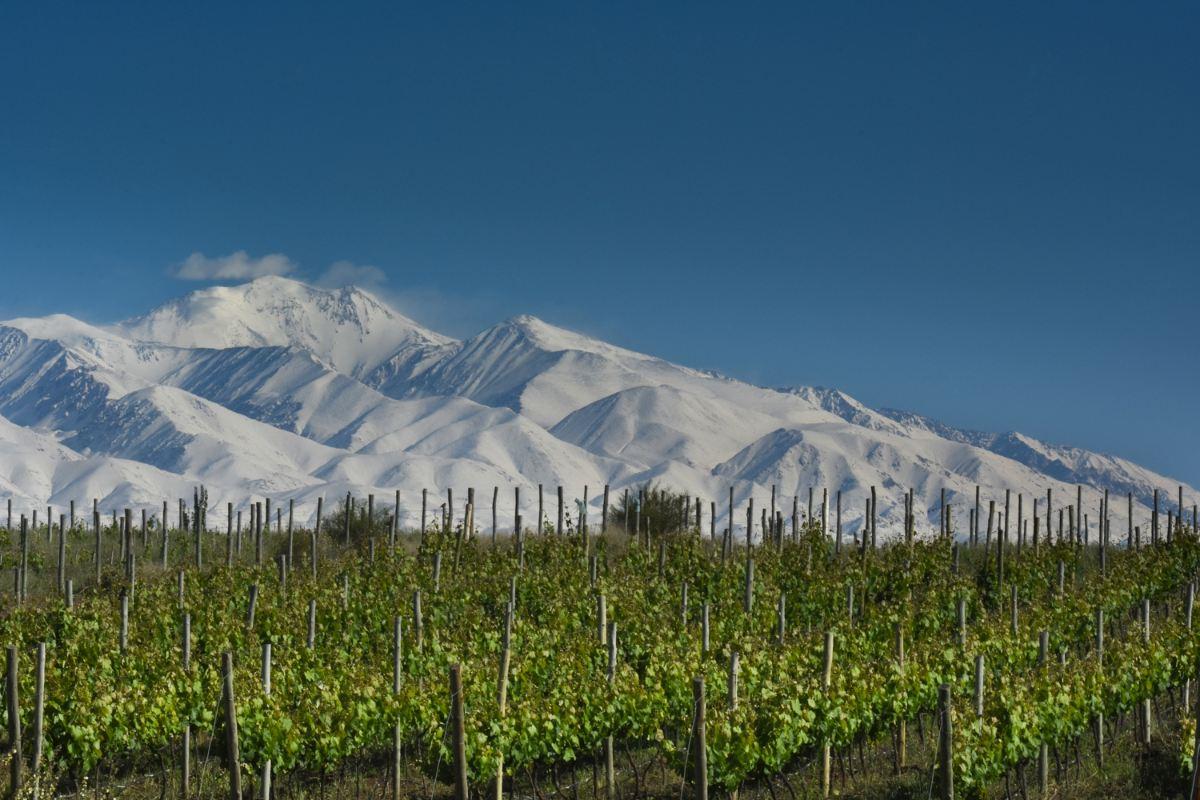
From Malbec to terroir: how Argentina learned to define its wines by place.
For decades, Argentine wine was understood internationally through a simple formula: Mendoza, Malbec and altitude. Over the past ten years, however, that shorthand has ceased to tell the whole story.
The most important change has been in the way Argentina understands quality. The focus has shifted from the grape to the place - from the variety on the label to the conditions that shape its expression. Few places illustrate this transformation better than the Uco Valley, where producers have spent a generation studying soils, altitude, exposure and water, turning increasingly precise differences between individual parcels into a new language for Argentine wine.
The development of specific Geographical Indications (GIs) has been central to this process. Paraje Altamira, whose boundaries were established in 2013 and revised in 2015, was followed by areas such as Gualtallary, San Pablo, Los Chacayes and El Cepillo. What was once understood as a single wine-growing landscape began to be recognised as a mosaic of distinct places.
The change is not merely geographical. The alluvial soils of the Andean foothills, together with differences in altitude and climate, produce distinct variations in texture, acidity and structure. Argentina's most ambitious producers increasingly talk about individual parcels and soil profiles rather than simply about Mendoza or Malbec. The map itself has become part of the wine.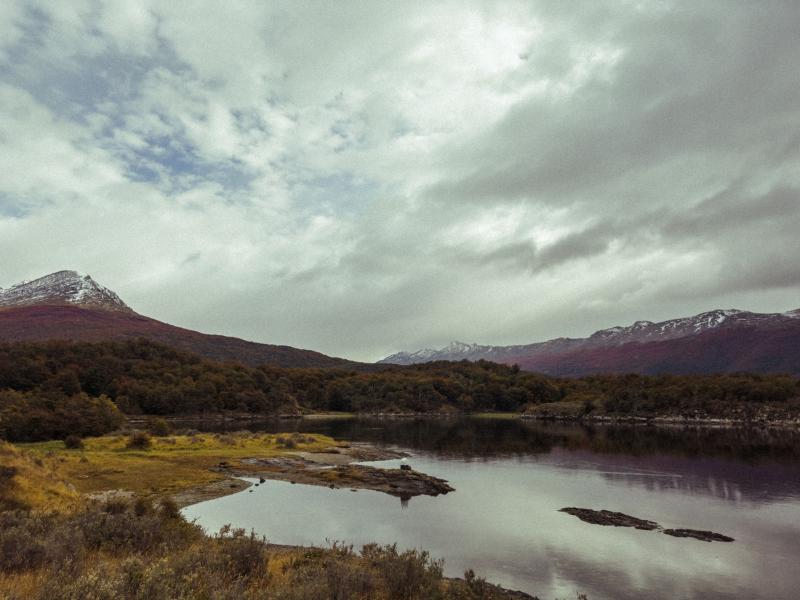
That search for place has also transformed winemaking. Over the past decade, there has been a broad move away from heavy toast and the dominance of new oak. Large wooden foudres, concrete vessels and terracotta amphorae have gained ground as tools for preserving fruit, natural acidity and texture rather than masking them with oak character.
The result has been particularly visible in the rise of high-end white wines. Chardonnay, long secondary to Argentina's red-wine identity, has become a category in its own right, with ambitious examples emerging from the cool, high-altitude sites of the Uco Valley and from Patagonia. Semillón has undergone an even more striking transformation. Old vineyards have given producers the opportunity to reassess a historic variety and turn it into wines with ageing potential, texture and a distinctly Argentine identity. Even Torrontés has evolved beyond its more exuberant traditional style towards fresher, lighter examples with lower alcohol levels.
Cabernet Franc has followed a similar trajectory. Once used mainly as a minor component in blends, it has become one of the most compelling varieties for premium wines, with planted acreage increasing significantly from fewer than 1,000 hectares just a few years ago. In cool mountain sites such as Gualtallary and San Pablo, it has found expressions marked by spice, mountain herbs, natural acidity and elegance. Its success has also complemented the established Cabernet Franc tradition of Luján de Cuyo, demonstrating that the same variety can express itself with different accents across Mendoza.
At the same time, Argentina began looking backwards as it moved forwards. The revival of heritage varieties such as Criolla Chica, Criolla Grande, Pedro Ximénez and Moscatel reflects a renewed interest in the country's viticultural heritage. Grapes once associated with mass production or considered commercially marginal are now being used to make lighter, more gastronomic and deeply regional wines. The revival of Criolla Chica - the Listán Prieto of Tenerife, also known as Mission in the United States and País in Chile - is particularly significant because it connects Argentina's viticultural history with the wider history of the Americas.
The map continued to expand. Viticulture moved into increasingly extreme environments, from Trevelin in Chubut, one of the country's coldest wine-growing areas, to vineyards above 3,000 metres in Salta and the extreme landscapes of the Quebrada de Humahuaca in Jujuy. Patagonia developed a profile of its own, while the north-west began to demonstrate that high-altitude viticulture can offer much more than a curiosity for adventurous consumers.
Another frontier emerged along the Atlantic coast. Projects in Chapadmalal, Balcarce and Médanos in Buenos Aires province, together with those in Atlantic Patagonia, introduced an oceanic dimension to Argentina's wine map, particularly through whites and lighter styles shaped by maritime conditions. The country's viticultural geography now extends well beyond the traditional image of dry, continental vineyards at the foot of the Andes.
While the Uco Valley captured much of the international attention, Luján de Cuyo began its own process of rediscovery. Areas such as Las Compuertas, Vistalba and Perdriel have highlighted the value of old, ungrafted vineyards and reaffirmed Luján's place as one of the historic homes of Argentine Malbec.
Perhaps this is the defining story of Argentine wine over the past decade: expansion without abandoning identity. The country did not replace Malbec with a new flagship variety, nor Mendoza with a new region. It did something more interesting: it made the picture far more complex - and far more interesting.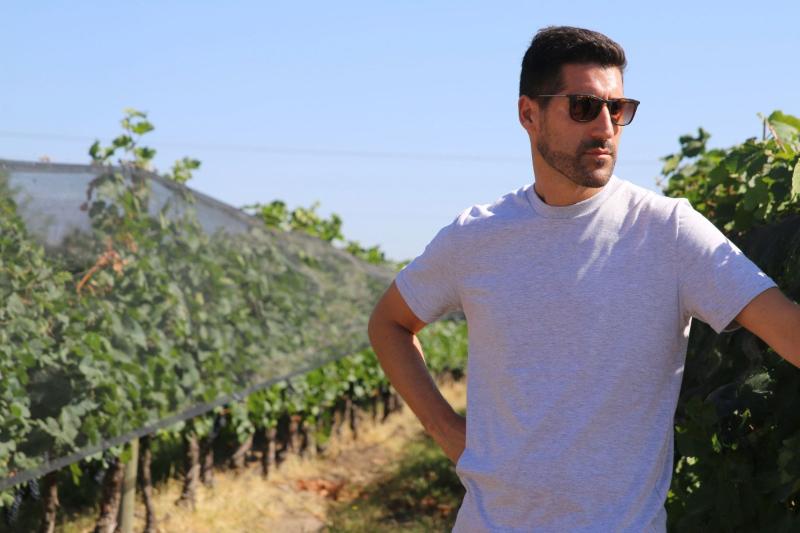
Photo credit: VinEsence, La Coste de los Andes
Argentina increasingly understands that its competitive advantage lies not simply in what it grows, but in where it grows it and how precisely it can express that place. For international buyers, this creates a more interesting proposition, but also a more demanding one. The next chapter for Argentine wine will probably not be about discovering a single new variety. It will be about learning to read the map.
The first IWC Americas in Mendoza will offer an opportunity to discover this new diversity in Argentine wine from an international perspective.

Get expert insights, weekly highlights, and exclusive stories from the world's most trusted wine competition.