
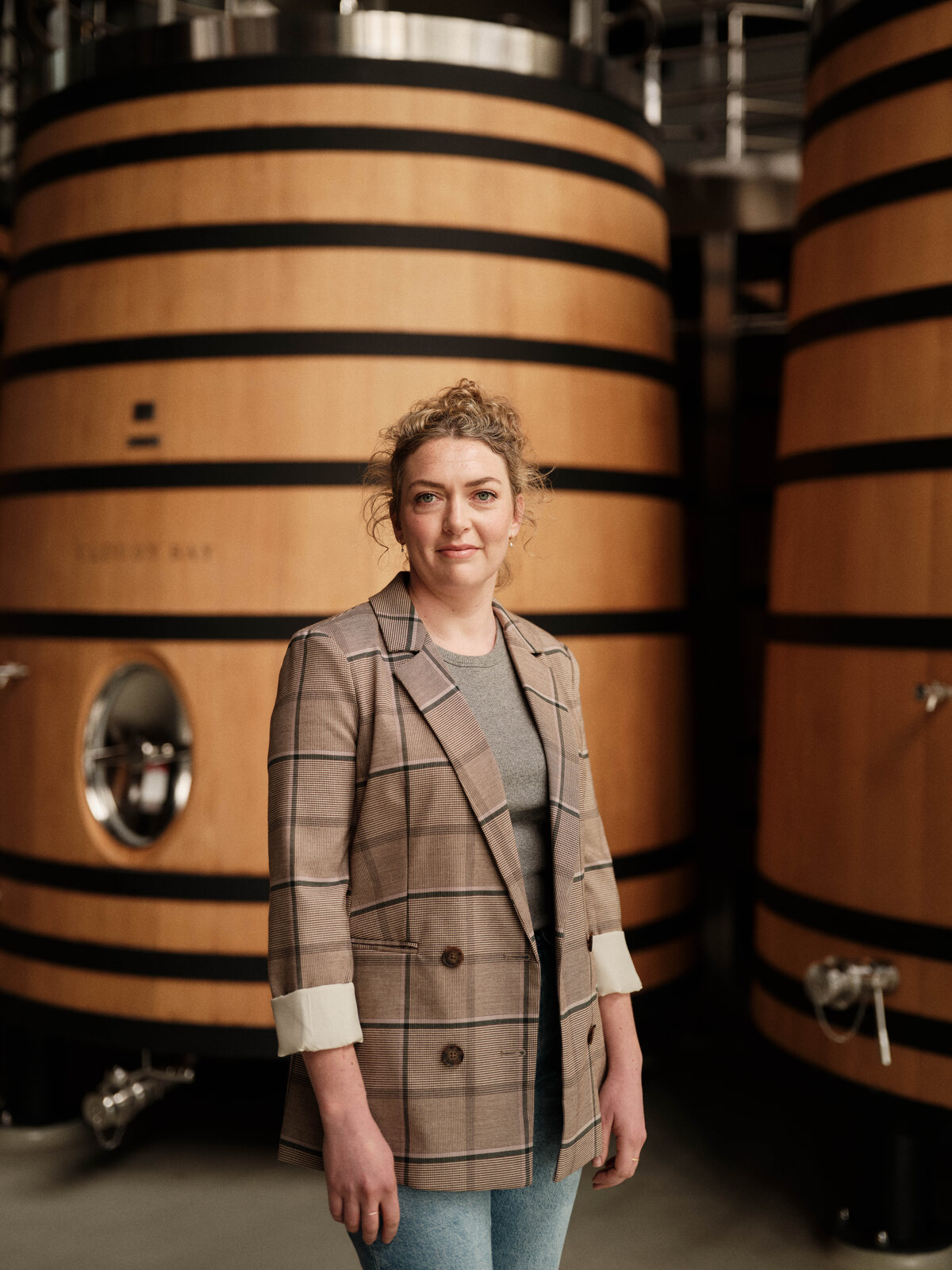
After joining Cloudy Bay as a cellar hand in 2016, Kelly Stuart was eventually promoted to winemaker in 2023. She talks to James Lawrence about sustainability, climate shifts, and the brilliance of Marlborough Chardonnay.
As growing conditions in Marlborough evolve, how is climate change reshaping your decisions in the vineyard and winery? Are there aspects of the signature Cloudy Bay style you may have to rethink - or even abandon?
We are becoming much smarter in our seasonal approach in the vineyard, establishing tailored plans from the outset rather than reacting in the moment. In the winery, we have seen fruit coming in earlier with each passing year. While this can present logistical challenges, our primary goal remains absolute consistency across vintages. If you were to line up a vertical tasting of multiple vintages, you would notice subtle year-on-year variations, but every bottle retains that distinct, quintessential Cloudy Bay character.
Consumers worldwide have a defined expectation of what Marlborough Sauvignon Blanc should taste like. Do you view your role as preserving that signature benchmark, or challenging consumers to expect something different?
Marlborough Sauvignon Blanc is unique in that you can preserve its core identity while still pushing consumer expectations forward. We are constantly seeking deeper insights into making Marlborough Sauvignon Blanc - from soil to cellar - to deliver the consistently high standard expected of us.
The main challenge with the variety is time. Because it is typically enjoyed within a year of harvest, you simply don't have the luxury of time that other varieties afford to build texture and complexity. However, we employ subtle winemaking techniques to layer as much nuance and structure into the wine as possible within that narrow timeframe.
Cloudy Bay has a remarkable platform to build its reputation beyond Sauvignon Blanc, particularly with Pinot Noir, Chardonnay, and Te Koko. Which wine holds the greatest potential to shift perceptions of the brand?
Our Chardonnay is immensely underrated; in terms of quality, it rivals some of the world's great Chardonnay-growing regions. Encouraging consumers to try something new can be harder than one might think, but once they taste it, they are instantly won over.
Sustainability is now central to the wine industry conversation. Where has Cloudy Bay made its most meaningful changes, and what remains your single biggest environmental challenge?
In the vineyard, our biggest strides have been in water stewardship to protect a vital resource. We employ stem water potential testing to ensure vines receive precisely what they need and no more. We have also invested heavily in vineyard dams, harvesting water during winter river spates so it is available during summer dry spells when river levels are at their lowest. Where suitable in our established blocks, we have installed underground drip irrigation to deliver water directly to root systems, eliminating losses through evapotranspiration.
Our greatest environmental challenge, however, is one shared across the entire New Zealand wine industry: the management of solids and lees. Producing a pristine, clear wine generates substantial volumes of lees. New Zealand lacks the dedicated infrastructure seen in some other wine-producing countries to process this organic material, making sustainable and resource-efficient disposal an ongoing industry-wide challenge.

Get expert insights, weekly highlights, and exclusive stories from the world's most trusted wine competition.