

Tired of trite predictions about the rise of low-and-no and English sparkling? Read on.
I always enjoy reading predictions of UK wine trends. There's something quite fun about seeing how many it's possible to predict without knowing who wrote them. Invariably, they tend to go something like this:
Low and No - A new VC-backed low-and-no brand seems to pop up once a month, with varying degrees of success. Most agree that the liquid is improving, but price is often still a barrier. When the beers are so good, inexpensive and consistent, it's easy to see why consumers tend to revert to beer.
Light-bodied reds - A trend for at least five years, though the wine trade only seems to have just realised it. (I must admit I've used this one myself when pushed for ideas.) We're all delighted to see Beaujolais finally getting the attention it deserves, but Grenache, Zweigelt, Barbera and our beloved Pinot Noir are all bang on trend as consumers turn away from big, alcoholic bombs.
Rosé for spring - Groundbreaking.
English wine - I'm unsure whether our national output should be classed as a trend anymore. It feels more mature now, particularly as our wineries turn their attention increasingly towards export. Certainly, the wines have come on leaps and bounds, and we have some incredibly serious wines to be proud of.
So, you may ask, what is the point of writing wine predictions at all?
Well, I feel that if I'm going to say the above are boring clichés, perhaps I need to put my neck on the line and make some actual predictions of my own. Just call me the wine trade's very own Mystic Meg.
So, here are some genuine trends which I think could actually happen over the next twelve months. I look forward to being proved right. Or, indeed, wrong.
Robust whites that aren't Chardonnay - I'm thinking Rhône whites - still excellent value - and their even better-value counterparts from the Languedoc. These don't require expensive oak to be textural and interesting.
Pichets - Would the adoption of the pichet be a revolutionary addition to the UK on-trade? Maybe. But I'd argue that it's an excellent route for restaurants looking to counter how expensive a bottle of wine can look on a wine list nowadays, while offering greater flexibility to the consumer.
Gen Z discovers wine - Gen Z are drinking, but in a different way, and they're less loyal to brands or even categories. The seemingly unstoppable pace of Chicken Wine is one example, though trends appear, in general, to be less brand-focused and more category-led. Just look at the popularity of low-intervention, sparkling and light, fresh styles with this demographic.
I think we'll see legacy brands lean into Gen Z by becoming more playful. Maybe we'll see CYT do a Love Island tie-in. Perhaps Charli XCX will become the next face of Dom Pérignon.
Sustainability isn't going anywhere - A major decision-making factor with your customer's customer's customer. Sustainability now features in most important tenders, and businesses that don't take it seriously will miss out on an important part of the market. Sensible practice across every part of the supply chain will lower operating costs, reduce long-term risks and attract important buyers.
Duty changes - This is like when I had Henry Kissinger on my Death Pool roster for ten years. It's not if it will happen, it's more when. The Government loves to shake the wine trade piggy bank every few years, and we're always surprised by it.
Will we see dual pricing for still versus sparkling again? Will duty be graduated further? What could possibly be next?
Keg wine finally has its moment - The perfect combination of EPR, Gen Z's openness to other formats, a distinct improvement in quality, ease of service and ease of transport. It's time for us to finally catch up with the US and declare ourselves open to drinking wine from a keg.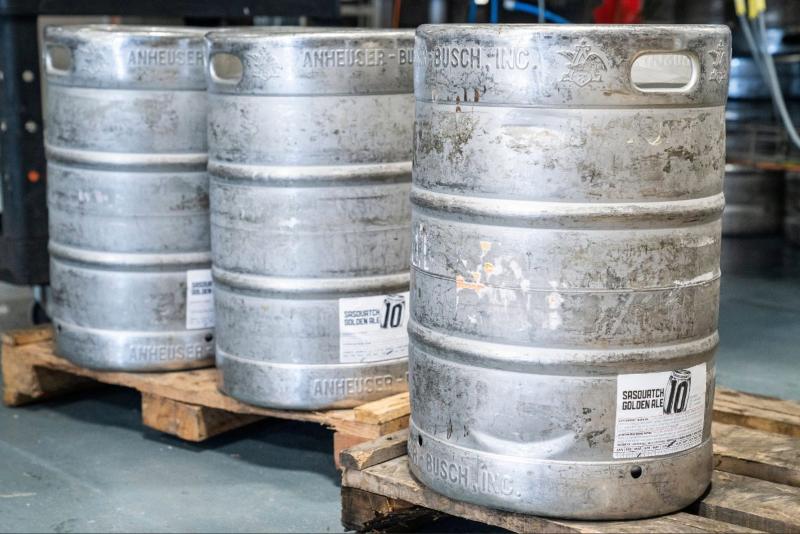
Tesco adds a 187ml can of Sauvignon Blanc to its meal deal - An MP is promptly photographed indulging on an East Coast Main Line train alongside their prawn sandwich.
Place your bets now as to who it's going to be.
A duty-rate meme becomes load-bearing for the industry - Tom Gilbey explains the duty regime better than any wholesaler, industry figurehead or bond manager, and wine habits change as a result, finally influencing Government policy.
So there you have it: another addition to the pile of wine predictions that will, like all wine predictions, be about 60% right, 30% wrong and 10% "technically, I said in the future, so you can't hold me to this in November."
If there's a theme running through all of it, it's that the wine trade spends a lot of energy pretending change is radical when really it's just slow.
Gen Z aren't rejecting wine. They're rejecting the version of wine we've been trying to sell them. They don't want intimidating lists, the bottle cost outstripping the meal, or an assumption that loyalty matters more than vibes.
Kegs, cans on trains and (maybe) pichets aren't gimmicks. They're wine finally admitting that it has to compete for attention like other categories do.
As for duty, duty will do what duty always does: arrive, irritate everyone, get argued about in the trade for six months, and then quietly become the new normal until the next round.
Some things you don't need a clairvoyant for.
Ask me again next January, and I'll no doubt be wrong about half of this - most likely the MP on the East Coast Main Line, as Tesco aren't returning my calls.
Predictions are just an excuse to pay attention to an industry that's more interesting, and considerably weirder, than it gets credit for.

Get expert insights, weekly highlights, and exclusive stories from the world's most trusted wine competition.