One of Napa Valley's oldest wineries, Mayacamas Vineyards produces elegant, long-lived Cabernet Sauvignon that is the antithesis of a fruit-bomb caricature.
Region: Napa Valley, California
Founded: 1889
Owners: The Jay Schottenstein Family
Vineyard holdings: 485 acres / 196 hectares, of which 50 acres / 20 hectares are planted
Winemaker: Braiden Albrecht
Annual production: 6,500 cases
In Napa Valley's western Mayacamas mountain range, Mt. Veeder may be the closest mountain to San Francisco, but it is far from the easiest to reach. The road climbs so steeply that, at times, the bonnet seems to block out the view ahead. It is therefore remarkable that John Fisher chose to establish both a winery and a distillery here in 1889, planting vineyards on soils formed from eroded marine sediments interspersed with rare pockets of volcanic material. Even today, Mt. Veeder remains one of Napa's least-planted AVAs, its rocky, unforgiving terrain continuing to deter all but the most determined growers.
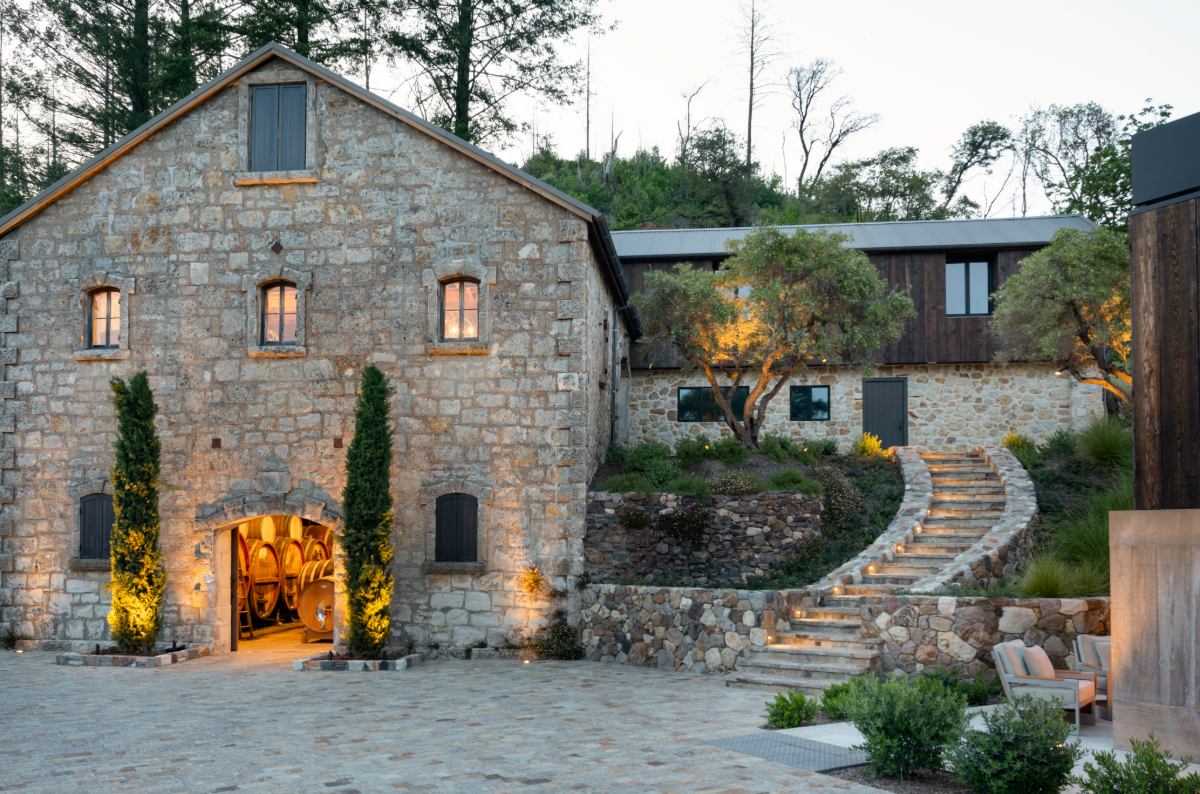
Fisher built the estate's iconic stone winery using boulders gathered from his own property -an eminently practical decision that avoided hauling building materials up the mountainside. He sold his predominantly Zinfandel wines by the barrel, despite the logistical challenge of transporting them back down the mountain. Financial hardship following the 1906 San Francisco earthquake and the fires that followed brought both his winery and pickling business to an end, and the property was sold at auction in 1908 to Pietro and Maria Marenco. Then, in 1920, the United States entered almost 14 years of Prohibition. Old tunnels and now-concealed side doors hint that bootlegging may well have taken place in this secluded corner of Mt. Veeder. In 1921, the Brandlin family - whose descendants remain synonymous with the mountain through Brandlin Estate - acquired the property.
Another two decades passed before the estate entered its next chapter. In 1941, Jack and Mary Taylor purchased the property and renamed it Mayacamas Vineyards, wisely placing a clear sense of place front and centre on the label. They also commissioned the distinctive 'M' illustration that still appears today. Beyond branding, the Taylors invested heavily in both vineyard and winery, planting Cabernet Sauvignon and Chardonnay while constructing much of the cellar infrastructure that remains in use.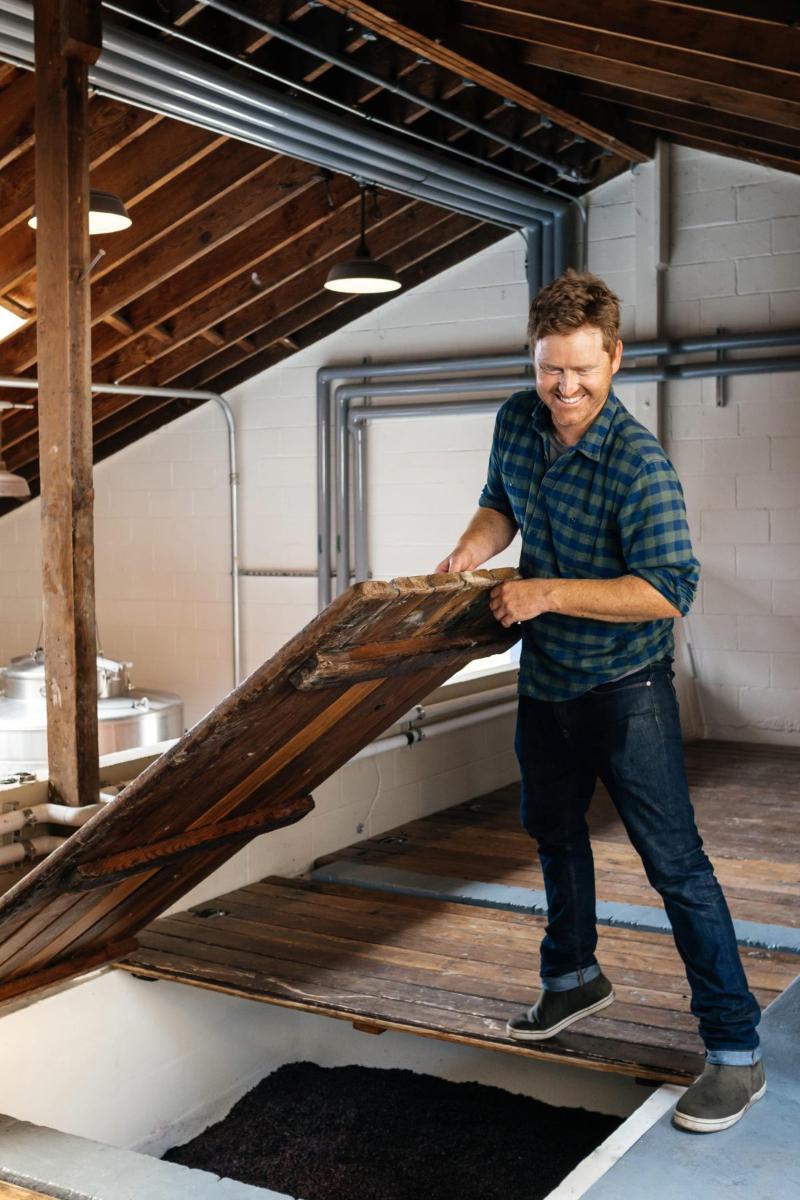
The modern era began in 1968 when Bob and Elinor Travers became the estate's owners. Napa Valley was entering a transformative period, with contemporaries including Joe Heitz, Robert Mondavi, Don and Molly Chappellet, and Jack and Jamie Davies of Schramsberg helping to define the region's future. Bob Travers, who had previously worked with Joe Heitz, quickly established Mayacamas among this pioneering group. Less than a decade later, his 1971 Cabernet Sauvignon was selected by Steven Spurrier for the landmark 1976 Judgement of Paris tasting.
The next transition in ownership came in 2013 when Jay Schottenstein acquired the estate with a business partner, whose share was subsequently purchased by the Schottenstein family. A new generation also arrived in the cellar with the appointment of Braiden Albrecht as winemaker at just 26 years of age. Working alongside consultant Andy Erickson until 2023, when Erickson stepped away to focus on his own projects, Albrecht carefully refined rather than reinvented the estate's style.
The first decade under the Schottenstein family's ownership focused primarily on vineyard renewal. Under the guidance of renowned organic viticulturist Phil Coturri, phylloxera-affected vineyards were replanted, Chardonnay plantings were progressively replaced with Cabernet Sauvignon, and numerous other improvements were undertaken. As these new vineyards have matured, Mayacamas has significantly reduced its long-standing fruit contracts. Today, more than 80% of production comes from estate-grown fruit.
Each release of Mayacamas Cabernet Sauvignon is eagerly anticipated, not least because the estate routinely offers both the current release and a ten-year-old vintage. The flagship Cabernet spends four years ageing at the winery before release, reflecting Mayacamas' long-standing belief that great wines should not be hurried. Occasionally, even older vintages appear. In 2024, for example, the winery released the 2020 alongside the 2010 and 2000 vintages. In 2026, the 2022 vintage is being released alongside the 2012, while next year will mark another milestone with the release of the 2013 - the first back vintage produced entirely under the Schottenstein family's ownership - alongside the 2023.
These are wines built for the long haul. Bob Travers' philosophy of crafting wines for extended cellaring remains central to Albrecht's approach, with only subtle refinements intended to enhance their ageing potential. Many wines made during the Travers era continue to drink beautifully today.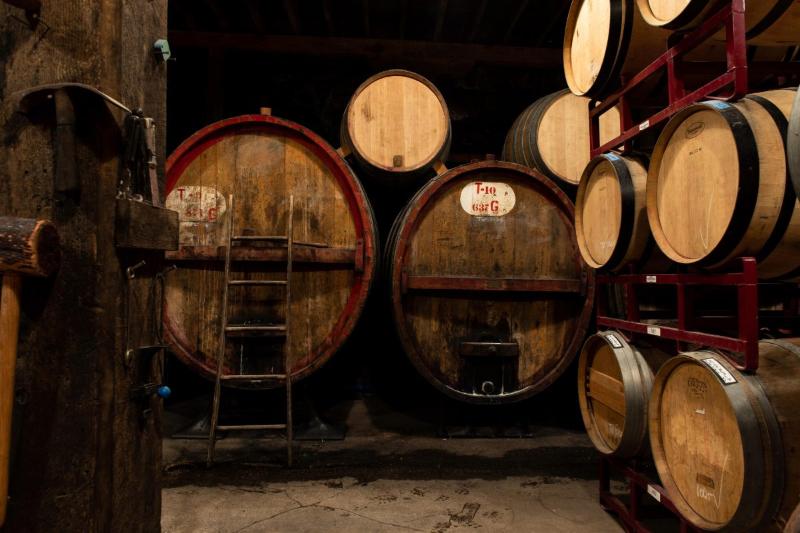
Mt. Veeder itself plays an equally important role in defining the wines. Mountain-grown Napa Cabernet is markedly different from fruit grown on the valley floor, and nowhere is this more evident than here. Mt. Veeder is Napa's coolest mountain AVA, home to its highest vineyards, the only mountain appellation directly influenced by cooling winds from San Pablo Bay, and typically one of the last areas to harvest. There is good reason it became Napa Valley's first recognised mountain AVA in 1990.
The wines are darker, denser and driven by a striking mineral character that is unmistakably Mt. Veeder. Their fruit profile is leaner, their structure firmer and more architectural, allowing them to carry remarkable concentration without sacrificing balance. Paradoxically, although daytime temperatures are cooler than on the valley floor, nights tend to be warmer thanks to Napa's famous inversion layer. The elevated vineyards also receive more consistent sunlight throughout the growing season, spending less time in shadow than many valley-floor sites.
The saying goes that time will tell. As the third winery established on Mt. Veeder - and arguably its most celebrated name - Mayacamas Vineyards continues to prove that time remains one of its greatest strengths.

Get expert insights, weekly highlights, and exclusive stories from the world's most trusted wine competition.