
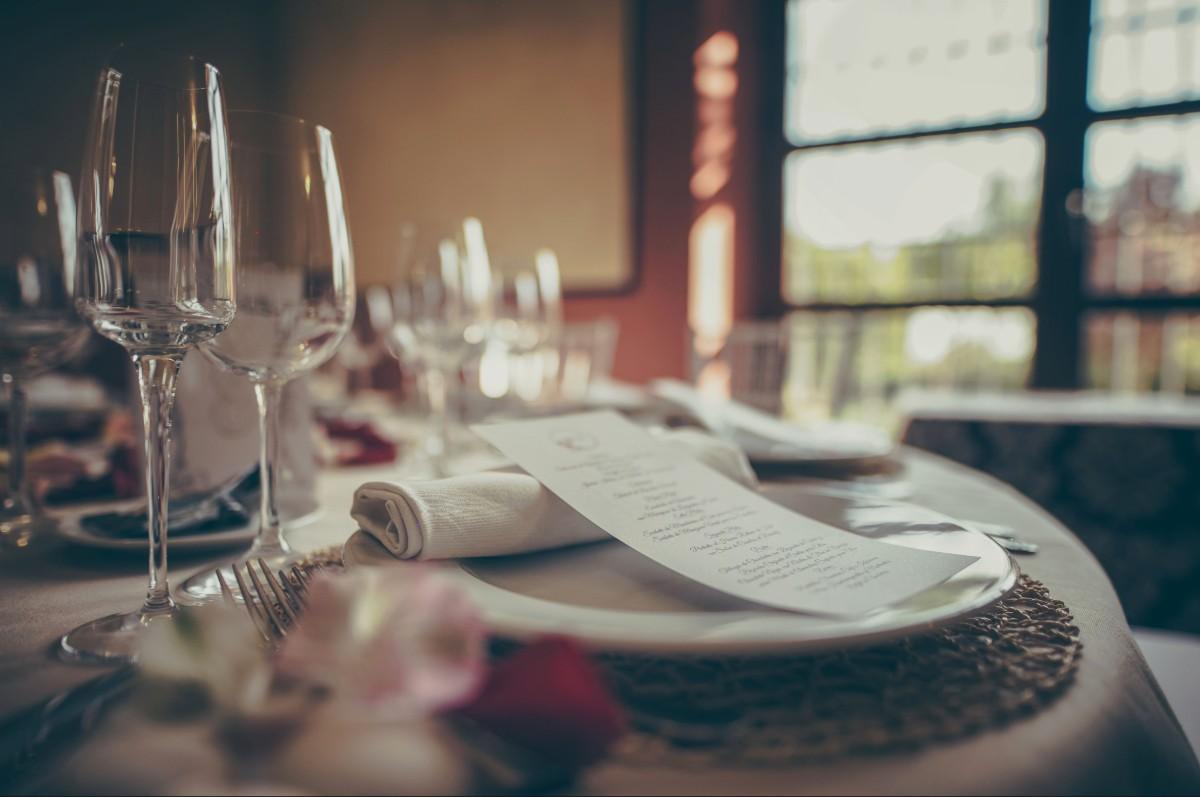
Propelled by technical innovation and shifting priorities, premium glassware is evolving to meet the needs of sommeliers today.
Although trendier venues will occasionally serve a £200 white Burgundy in what appears to be a whisky tumbler - I speak from experience – most of the top end of the restaurant sector values premiumisation in its glassware offering. An elegant design, an aesthetically pleasing bowl, and brand recognition still carry considerable cachet in the world of fine dining.
However, while prestige glassware is in no danger of disappearing from Michelin-starred pairing menus, the definition of luxury – and expectations of sommeliers – is evolving. As businesses contend with rising costs, staffing pressures, and ever-greater expectations from guests, durability, technical innovation, and even value for money are becoming as important as brand reputation.
According to Ian Bailey, Managing Director at ADI Trading Ltd: "The hospitality market is evolving. More upmarket establishments want a product that will complement the ambience they seek to convey, so emotional connections and innovations have gained greater value. But they still desire durability, for operational reasons."
As the exclusive representatives of Zwiesel Glas AG in the UK, the firm has a vested interest in championing innovation within the premium glassware category. When Zwiesel acquired the German brand Eisch in 2025, it became the custodian of a remarkable innovation: Eisch's SensiPlus range. This unique coating – which was deliberately not patented to avoid intellectual property theft – is designed to allow the full aromatic complexity of wine to be expressed without prolonged swirling or decanting.
"It is a very clever, technical innovation, which brings benefits to both the hotel/restaurant and its customers," explains Bailey. "It overcomes the challenge that fine wines need decanting to be at their best and to be more palatable to the majority of customers. This is evidence that performance technology is becoming an important element in glassware production."
Yet if glassware is becoming, in part, a performance technology rather than simply a vessel, will sommeliers readily embrace a scientifically driven advance that potentially challenges established wine-service rituals?
Mixed blessings
Glass manufacturers often present the pursuit of operational efficiency – and technical innovation – as elements that enhance rather than diminish the theatre of restaurant service. The subject, however, remains divisive within sommelier circles, with different stakeholders travelling in different directions.
"I've experienced better aromatics, color clarity, and overall grace in service with finer, more elevated brands. Roberto Conterno's sensory glass made me a believer," notes Christine Collado, chief restaurant officer at Parcelle in New York. However, she also believes that expectations must be measured. "Glassware or an expensive decanter isn't going to make an inexpensive white Burgundy turn into a glass of Coche Dury. But it for sure helps, if not just for the optics."
In a fine-dining restaurant, says sommelier Jiachen Lu, wine service should remember the basics: wine should be served at the appropriate temperature, poured with care, and presented in glassware that complements its style. "While the technological and scientific advances in glassware have been significant, I believe the fundamentals of wine service remain the most influential. Even the finest glass cannot compensate for wine that is served too warm, too cold, or handled poorly," she observes.
According to Daniel Marzotto, chef sommelier at Sketch: "I believe innovation in glassware has brought meaningful improvements, and the right glass can certainly enhance a wine's aromatic and flavour expression.
"However, the glass remains a tool. The greatest influence on the wine experience still comes from the sommelier, through the choice of the appropriate glass, correct serving temperature, precise pouring, and the ability to guide the guest. Innovation is valuable, but it is the sommelier's expertise and attention to detail that ultimately allow a wine to express its full potential."
Marzotto, like many professionals in the world of fine dining, has to balance presentation, effectiveness, durability, and commercial realities when selecting glassware.(1).jpg)
"Today, the name etched on the base of the glass matters far less than how the glass performs. If it enhances the wine, feels balanced in the hand, and works seamlessly in service, it has done its job," he says.
"For me, bowl shape is the most important factor, as it has the greatest impact on the wine's expression. Weight and balance also matter, ensuring comfort for both the guest and the service team. The best glass is the one that enhances the wine without drawing attention to itself."
Like Marzotto, Lu identifies bowl geometry as the principal driver of the sensory experience, agreeing that the "shape, weight, and overall quality of the glassware are more important than the name etched in its base."
Back in the US, sommelier Ryan Hodges is very blunt in his assessment. "I do not put much weight into technological advancements in glassware. I find traditional crystal glassware works fine for all of my needs," he says.
New luxury
In the 20th century, restaurants would spend generous sums on hand-blown glass, produced at significant cost – and sold at high prices. But while traditional craftsmanship still has value, as Bailey underlines, it is becoming less affordable due to sustained inflation. The solution, he says, "has been the rise of hybrid or machine-made ultra-fine stemware. This is a sophisticated product that can give the impression of being mouth-blown, but at a lower cost and with greater durability."
He adds: "This innovation is not just being encouraged by market need. It is also being driven by production need. Mouth-blown production is labour-intensive, hot, challenging work. It is not a type of employment that appeals to younger workers, so as master glassmakers retire, the workforce is diminishing and skills are being lost."
What is the future of premium glassware? From the production end, craftsmanship will increasingly be preserved through technical innovation rather than traditional manufacturing techniques; for hospitality operators, durability, sensory optimisation, operational efficiency and value are no longer secondary considerations - they are increasingly expected as standard.
"The future of premium hospitality glassware lies in finding the right balance between tradition and innovation. Over the next decade, I see a future where elegance, functionality and knowledge come together, with innovation serving hospitality while preserving the value of tradition," opines Marzotto.
Meanwhile, Lu believes that the industry will continue to move towards evidence-based design. "Restaurants today are expected to deliver exceptional guest experiences while operating efficiently, and glassware should support both objectives. Evidence-based design helps sommeliers make informed, practical decisions based on performance rather than perception," she says.
"Over the next decade, I expect purchasing decisions to be driven less by brand prestige and more by measurable performance, practicality and value. Prestige will always have a place in fine dining, but I believe it will increasingly be earned through thoughtful design and functionality."
Prestige was once earned through heritage alone. Today, it is increasingly earned through results.

Get expert insights, weekly highlights, and exclusive stories from the world's most trusted wine competition.