
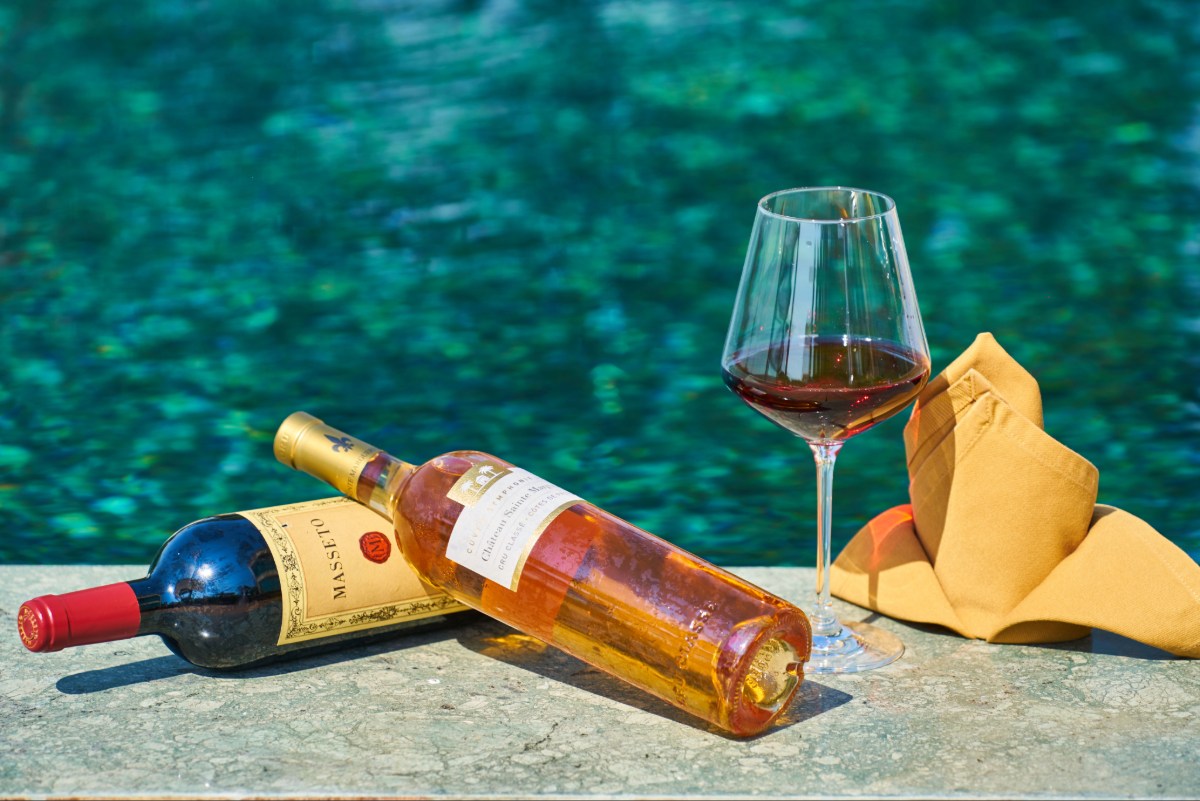
From chilled reds to the rise of Lambrusco, rosé is no longer the only summer story.
I don't know about you, but I take great comfort in knowing that when the recent heat waves transformed my house into a bread oven, air-conditioning manufacturers, ice cream sellers, and purveyors of rosé made a killing. When temperatures soar, a handful of industries see demand skyrocket – and, for the wine trade, that traditionally meant rosé by the pallet.
However, while Provençal pink – alongside rosés from other origins – remains an important cash cow for the trade in summer, conversations with buyers, retailers and sommeliers point to a broadening of consumer interest. For decades, summer wine had a commercial colour: pink. But while rosé remains a seasonal heavyweight, its monopoly over warm-weather drinking is in decline.
Quelle surprise
According to Fred Clelland, head of wine at Goodbye Horses, some of the most interesting commercial opportunities are coming from categories that would traditionally have been overlooked as warm-weather tipples – or styles that were fashionable in the 1970s.
"We've had a peculiarly high amount of requests for Lambrusco," he says. "I generally would also have seen this as more of an autumn/winter vibe given the more rustic, darker, brooding style of the drink."
But the demand for Lambrusco, emphasise other operators, is not a two-second fad. "Our Lambrusco Rosso sales have been really strong this Summer in Eleanore," notes Shaun McCarron, co-owner of The Little Chartroom and Eleanore restaurants. "Being able to offer guests something sparkling that doesn't break the bank and is delicious has been well received."
Indeed, value is central to the appeal of quick-moving SKUs in this scorcher of a summer we're experiencing. Consumers are not necessarily trading down – they want pleasure without the premium price tag.
Meanwhile, and perhaps even more surprisingly, fortified wines are having a moment in the summer of 2026.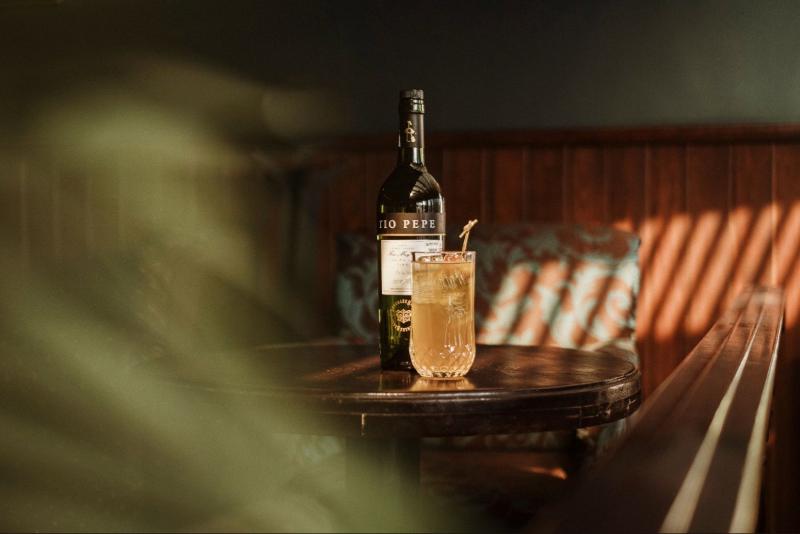
"It has been really nice to see that fortified wines have had a bit of a summer surge with Fino, Manzanilla and white Port seeing growth year on year. Also, things like Pineau de Charentes have also seen growth; this may be coming off the back of the spritz craze, which is no longer just linked to Aperol," reveals Dawn Davies MW, head buyer at Speciality Drinks.
She continues: "I have definitely focused more on pushing and buying in fortified wines - the spritz trend influenced what we buy. Also, we've moved away from the traditional big buys on rosé over the summer as we have seen a shift from our customers away from this style."
This trend is reflected in the independent retail sector, where Taurus Wines MD Rupert Pritchett reports that despite "not having great hopes for the business's port campaign," sales totalled well into five figures.
He adds: "At a time when en-primeur sales are falling, this was a welcome surprise."
The new classics
Elsewhere, once-emergent trends are becoming increasingly established and appear here to stay, according to stakeholders. Steve Daniel, wine development director at Hallgarten & Novum Wines, identifies the rise of "crisp, saline, coastal whites" as the commercial watchword of 2026, particularly from Galicia and the leading terroirs of Greece. These are no longer niche discoveries but increasingly reliable commercial categories.
"Greece remains a standard-bearer for new and interesting wines; however, looking more broadly at the coastal or island wine category is where we see things going. Wines from Sardinia, Sicily, Tenerife, the Azores, Puglia and more will all be staking their claim," he says.
"Mediterranean countries, such as the Italian islands and Greece, are also producing just the style of wines the UK consumer wants to drink: crisp, mineral, refreshing and saline - sales of white wines from these areas reflect this. The message that we are conveying to consumers is that they need to look further afield to find the styles of wine they have become accustomed to, due to climate shifts."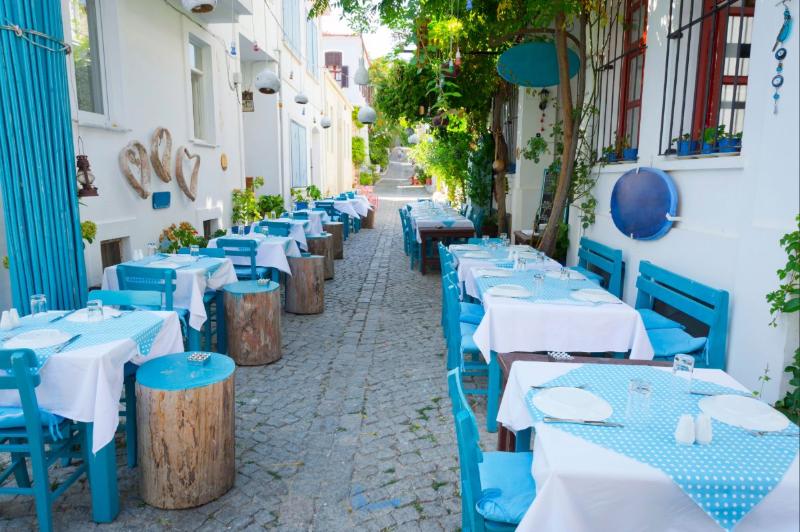
Back in the on-trade, Julio Sierra, head sommelier at Orrery by Pierre Minotti, explains that consumers are increasingly starting with a stylistic brief: typically requesting a glass of something fresh, mineral, low-alcohol, and chilled.
"Consumers are arguably more adventurous in style than origin," he says. "Five years ago, a guest might have ordered 'a Greek wine' or 'something from Slovenia' largely because the country was unfamiliar."
At the same time, chilled reds show no sign of slowing down, despite Pritchett's withering prediction that this "social media-driven fad will be short-lived."
Yet many sommeliers and retailers report buoyant sales of grapes that can be easily chilled – Gamay, Pinot Noir, Trousseau, to cite but a few examples – and argue that what could potentially be dismissed as a short-term trend has actually matured into an established phenomenon. "We get a lot of requests for chilled reds, which we can always do," notes McCarron.
According to Daniel: "The heatwaves this summer have certainly indicated demand for lighter, more food-friendly wine styles rather than bigger, bolder wines. As a result, we are seeing more demand for chillable or quaffable reds."
New luxury
The evidence from across the UK trade suggests that summer wine is entering a more fragmented phase - the common denominator is not colour, but style. As Sierra puts it: "Freshness has become the defining characteristic of modern summer drinking, whether that's in whites, rosés, sparkling wines or even reds."
So too, say stakeholders, has the broader definition of summer luxury changed – a concomitant of belt tightening and shifting consumer priorities.
"The combination of warmer UK weather and ongoing cost pressures has absolutely changed what people consider a summer luxury. A few years ago, luxury was often closely tied to recognised prestige: Provence rosé, white, Burgundy, top-class Sancerre or Champagne," reveals Sierra. 
But today, he adds, while consumers "still want to treat themselves," they're increasingly focused on quality of experience rather than prestigious labels.
"If I compare today's summer buying strategy with what it looked like five years ago, the biggest change is that we're buying for drinking occasions and styles of consumption, rather than simply stocking around traditional seasonal categories such as Provence rosé and Marlborough Sauvignon Blanc. Those categories still matter, but the demand profile is much broader today."
According to Pritchett, rosé accounted for 18% of the business's turnover by value between 1 May and 24 July – it clearly still has clout.
Yet he admits this figure is down from 21% in the same period last year.
Today, freshness, drinkability and value matter more than colour, and the trade is adapting accordingly. Rosé is big. But diversity is bigger.

Get expert insights, weekly highlights, and exclusive stories from the world's most trusted wine competition.