Cédric Pla, Director of Castel Châteaux & Grands Crus, speaks to James Lawrence about the group's approach to sustainable viticulture and the initiatives being implemented across its estates.
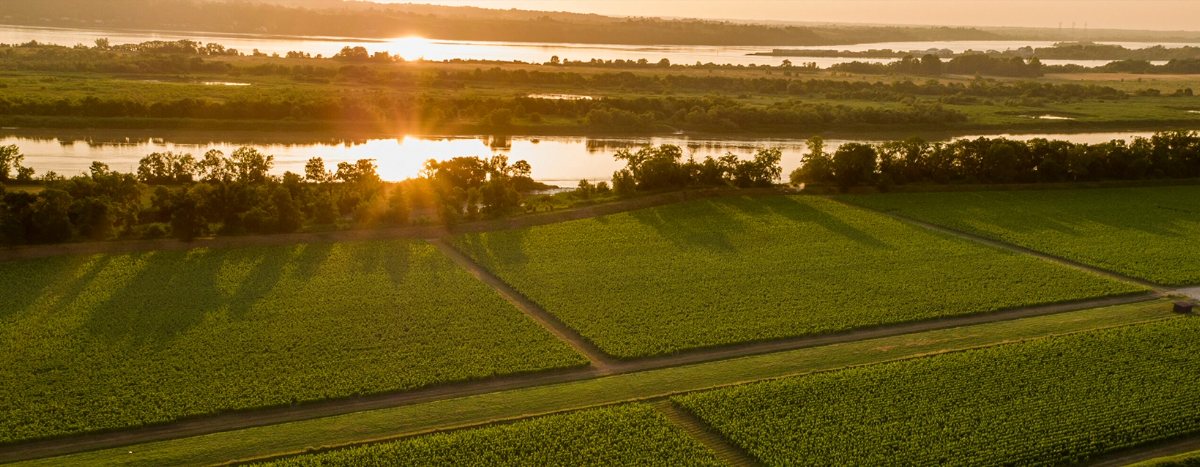
At Castel Family Estates, observes Pla, sustainable viticulture is inseparable from wine quality; it is one of its foundations. Bringing together 20 estates across several of France's leading wine regions, including Bordeaux, the Loire Valley, Languedoc and Provence, the family-owned collection is built on a clear conviction: preserving terroirs today is essential if they are to be passed on to future generations.
Across the estates, environmental certifications, organic farming, soil cultivation, cover crops, biodiversity initiatives and eco-grazing all serve the same goal: encouraging living soils, strengthening vineyard resilience and producing wines that remain true to their origins. This pragmatic approach adapts practices to each terroir while embedding fine wine production within a long-term commitment to environmental responsibility that has shaped the company's philosophy for generations..jpg)
How is sustainability put into practice in the vineyard?
Sustainability encompasses several dimensions, the first of which is environmental. We rely on certifications such as Terra Vitis, HVE and, at selected estates, organic certification, choosing the system best suited to each terroir.
This approach also forms part of a broader CSR strategy, with our estates participating in the Bordeaux Wine Environmental Management System, which leads to ISO 14001 certification.
Finally, sustainability also has an economic dimension. It is essential to enhance the value of our wines while maintaining viable production levels.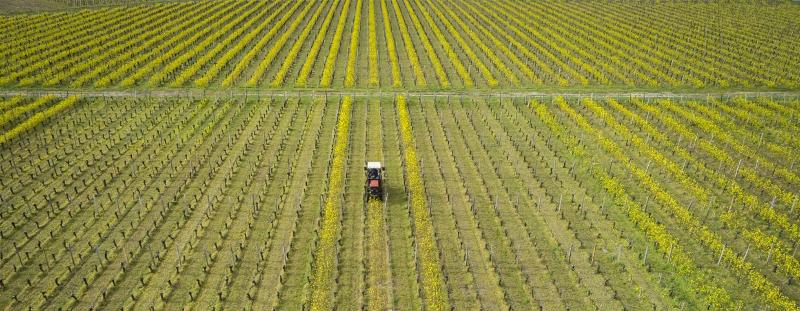
What role does research and development play in this approach?
Yields are currently under considerable pressure as a result of climate change. Our challenge is to maintain productive vineyards in Bordeaux, enabling us to produce high-quality wines in sufficient volumes while supporting a viable economic model.
To achieve this, we rely heavily on research and development. For several years, our teams have been adapting both vineyards and wines to changing climatic conditions so that, in 10, 20 or 30 years' time, we can continue producing wines that retain the distinctive character of Bordeaux, achieve appropriate yields and meet consumer expectations.
This involves adapting plant material and viticultural practices, as well as winemaking methods in the cellar.
Among the initiatives introduced, such as cover crops, hedgerows, beehives, flower-rich fallows and eco-grazing, which best illustrate your approach to biodiversity?
I like to use the example of the sheep grazing at Château Cavalier because this initiative combines economic, environmental and social sustainability.
We do not keep around 30 sheep simply for appearances or attractive photographs. More than 1,000 sheep graze in the vineyard before budbreak. The estate provides a temporary refuge for the farmer between the point when hay reserves begin to run low and the time when the flock can be moved to the summer mountain pastures.
We therefore play an important role during this transitional period. It is a practical initiative that delivers benefits across all three pillars of sustainability.
Why have soil management and the regeneration of living soils become such important priorities for the technical teams?
We regularly monitor the biological activity of our soils through analysis to ensure that organic matter is gradually made available to the vines.
We do not use mineral fertilisers, instead favouring organic inputs, soil amendments and cover crops. The breakdown of this organic matter depends on soil microorganisms, ranging from earthworms to the bacteria involved in the nitrogen cycle.
The fundamental principle is that we feed the soil rather than the plant, thereby preserving its richness and vitality.
What role do agroecological areas play within a wine estate?
A wine estate is not limited to its vineyards. It is an agricultural ecosystem made up not only of vineyard plots, but also of ditches, ponds, streams, woodland and surrounding natural areas.
All these elements influence the balance of both the vines and the wider ecosystem. Insects found within vineyard plots must be able to find refuge in woodland edges, ponds and grassed areas.
This is particularly important for beneficial organisms that help control certain vineyard pests. As these pests are not present throughout the year, beneficial species need permanent habitats so they remain available when required.
Grass cover, trees, ditches and wetlands therefore help preserve biodiversity, which in turn contributes naturally to vineyard protection.
What are the next challenges in taking this approach further, particularly in the face of climate change and the need to build more resilient vineyards?
Before discussing changes to grape varieties or relocating vineyards, there is still a great deal we can do within our existing vineyards.
We can adapt viticultural practices and plant material, particularly rootstocks. Before introducing new grape varieties in Bordeaux, solutions already exist that will allow us to preserve our Cabernet and Merlot vines while making vineyards more resilient.
Our trials involving new grape varieties, such as Liliorella and Albariño, currently cover only very small areas.
Winegrowers therefore have many options available before considering more radical measures. This is the role of our research and development department: to develop practices that will enable us to respond more effectively to climate change.

Get expert insights, weekly highlights, and exclusive stories from the world's most trusted wine competition.