New Zealand continues to rely heavily on Sauvignon Blanc in the export arena. But does that mean that significant diversification will forever remain a pipe dream?
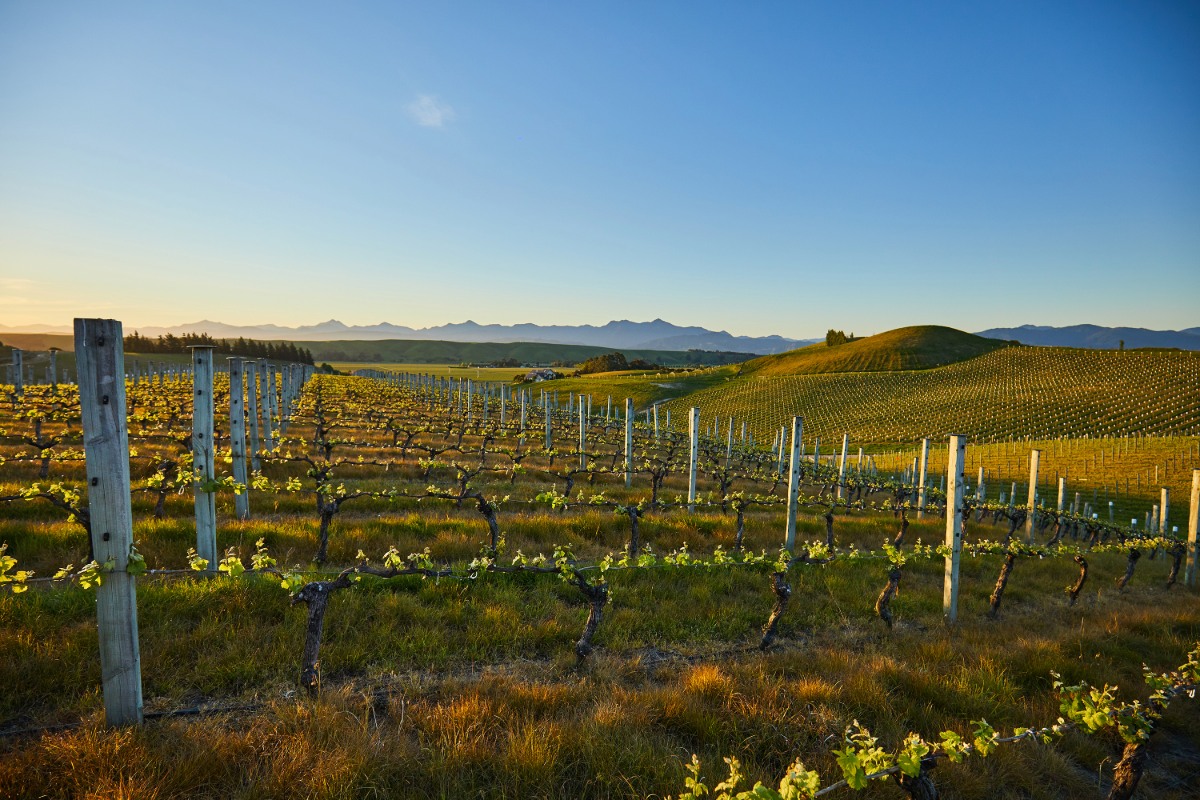
In January 2015, then chief executive of New Zealand Winegrowers, Philip Gregan revealed that Marlborough was on the cusp of being fully planted. "So the issue for the industry as a whole is now which regions we now look to develop and whether we need to focus on other wine styles," he said.
My inner wine geek did a merry dance: what could be more exciting than New Zealand producing more esoteric stuff – Arneis and Assyrtiko, for example – and gradually easing its reliance on a totemic but often very predictable expression of the signature white grape of Sancerre. Some of my colleagues expressed similar views from a business perspective: Marlborough Sauvignon was an undeniable commercial success, but what happened if consumers moved on, competition eroded its cachet, or New Zealand became trapped in the identity of a one-grape country?
However, we didn't get our wish. Over the past 11 years, New Zealand has diversified around the margins, but Sauvignon Blanc's market dominance hasn't just been maintained, it has expanded. In 2016, New Zealand exported 181.9m litres of Sauvignon Blanc, according to New Zealand Winegrowers' annual statistics. By 2025, that had risen to 251.1m litres – an increase of roughly 38%. The grape occupied 21,400 hectares of producing vineyard in 2016, rising to 28,109 ha by 2024.
Meanwhile, Pinot Noir, often touted as New Zealand's "next big thing", stood at 5,519ha in 2016 and was at 5,613ha in 2024 – effectively flat. Chardonnay, a grape that New Zealand clearly excels at, has actually declined from 3,116ha to 3,069ha. So too has the acreage dedicated to Merlot, Riesling and Gewürztraminer shrunk since 2016. The export figures tell a similar story: between 2016 and 2025, Pinot Noir exports fell from 12.2m litres to 8.4m, while Chardonnay declined from 6.1m to 3.7m. It makes sense: the only people in my friendship circle that don't love the stuff are, funnily enough, in the trade.
Hand on heart
On the issue of Kiwi diversification, I freely admit that I lead with my heart and not my head - my desire to see a major broadening of the offer (in volume as well as recognition) is largely based on a belief that a wine country so blessed with an extraordinary range of soils and climates should be able to offer the world a rich diversity of styles. There is just something so appealing about New Zealand becoming known not simply for one grape, but for a mosaic of distinctive places and grape varieties.
Yet Sauvignon Blanc's enormous consumer recognition, widespread distribution and economies of scale are obviously not to be sniffed at. It is also relatively easy and quick to make, unless oak maturation enters the equation. It arguably would be commercial suicide to radically alter the varietal mix – at least without an alternative plan in motion.
"The category dominance of SB is a great success that deserves to be celebrated and needs to be protected," observes Clive Jones, General Manager at Nautilus in Marlborough.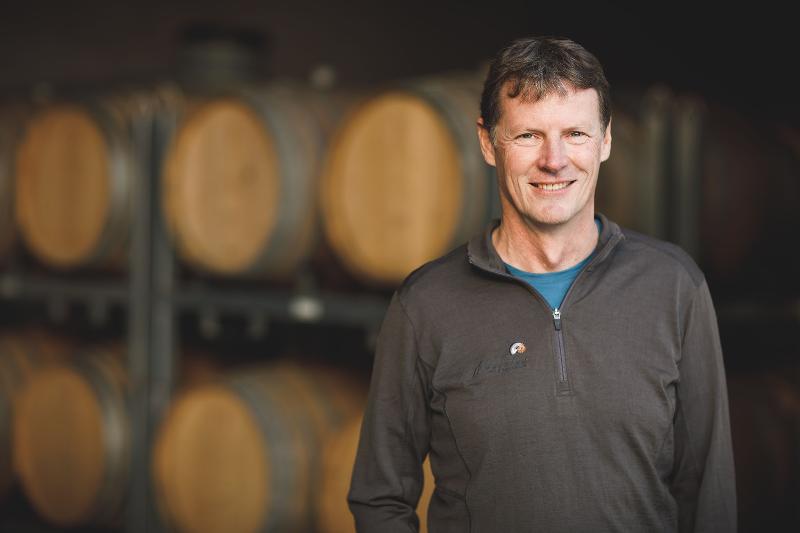
Haysley MacDonald, founder of Te Pā, agrees, reminding us that "Marlborough Sauvignon it is one of the very few categories in growth mode (albeit small growth), in an overall declining market for wine. The world loves the refreshing, zesty, and crisp profile of Sauvignon Blanc, and for many people it also fits into a more active lifestyle better than other alcoholic beverages. We should double down on this." In the 12 months to June 2026, the country's total wine exports reached NZ$2.108bn and 306.2m litres, with Sauvignon doing much of the heavy lifting.
Of course, there are dissenting voices within the industry. "It does worry me, on many levels, that our current 'crisis' within the New Zealand wine industry is largely the result of the too-rapid, unplanned and, at times, illogical expansion of Sauvignon Blanc production," says Dr John Forrest of Forrest Wines..jpg)
"Anywhere you could put a Sauvignon Blanc vine in the ground and legally call it 'Marlborough', people have." He describes his sadness at witnessing his ancestral dairy farm, fertile, rich pasture with three times the rainfall of his stony Wairau River gravel vineyards, "ploughed up and planted with Sauvignon Blanc."
Indeed, there is no evidence that consumers are likely to develop a Sauvignon allergy any time soon. Nevertheless, New Zealand faces numerous challenges, particularly the familiar industry problem of pumping capital and acreage into producing a successful category, only to encounter a slump in demand. For that reason, the 2026 harvest fell by about 15% on 2025 to approximately 440,000 tonnes, as wineries restricted grape intake to bring production closer to market demand.
Barriers to innovation
So what are the non-emotive arguments for further, measured grape diversification and the promotion of alternative varieties? One is commercial: Pinot Noir and Chardonnay, for example, typically occupy higher price points in the New Zealand wine portfolio. Felton Road Bannockburn Pinot Noir currently retails at around £55 a bottle in the UK, and this is by no means the ceiling. Meanwhile, a growing number of countries - particularly Chile and South Africa – produce excellent Sauvignon at highly competitive prices. And then there's the catch-22.
"The country's totemic association with SB makes it easier to open the conversation, but harder to change perceptions," reveals London-based sommelier Daniel Marzotto.
"Sauvignon Blanc has given New Zealand an incredibly strong identity, so guests already have a point of reference. The challenge is showing them that the country offers much more."
According to Nigel Greening, founder of Felton Road: "Its success was a double-edged sword for smaller producers or specialists in other varieties. Perhaps more worryingly, the dominance of the income potential of Sauvignon Blanc vineyards meant that any other varietal that wasn't an instant hit risked being pulled up and discarded." He adds that a combination of an assured sale of crop and very high yields had a very serious effect in putting vineyards or crops out of the reach of young, talented, and ambitious winemakers.
"The burden of success is to smother opportunity."
However, other stakeholders argue that climate change may force some replanting, as growers increasingly search for varieties that can tolerate intense heat and drought. Clive Jones reports that New Zealand Albariño is also starting really strongly off a small base (about 60 ha planted), boasting wide consumer appeal and growing international traction.
"Albariño is well suited to NZ's climate where it shows classic freshness and salinity, but also has the exuberant NZ fruitiness which sets it apart," he says, adding that he believes it will be easy to convert Sauvignon drinkers to this zesty grape.
"Marlborough is producing small volumes of high-quality wines. Currently these wines require an attention to detail that is not yet scalable, but Albariño looks to be a great plan B to Sauvignon and will likely benefit from climate change.".jpg)
Today, no other major wine-exporting nation is arguably as dependent on one single grape variety as New Zealand is on Sauvignon. And while I accept that diversification is no guaranteed panacea for further growth, neither is continued expansion of the status quo. A 'third way' would possibly involve expanding a portfolio where alternative grapes command disproportionately higher value, giving businesses more options if and when the economics of mass Sauvignon production become less attractive.
"I believe we have the long-term solution to becoming a sustainable, premium global wine producer right in front of us. What we sadly lack at the moment is the courage and imagination to take the first steps towards achieving what's possible," says Forrest.
Like many in the trade, I can take or leave most Kiwi Sauvignon, yet I accept that it will remain the industry's economic engine for the foreseeable future. But that does not mean it has to be the only thing powering the car.

Get expert insights, weekly highlights, and exclusive stories from the world's most trusted wine competition.