
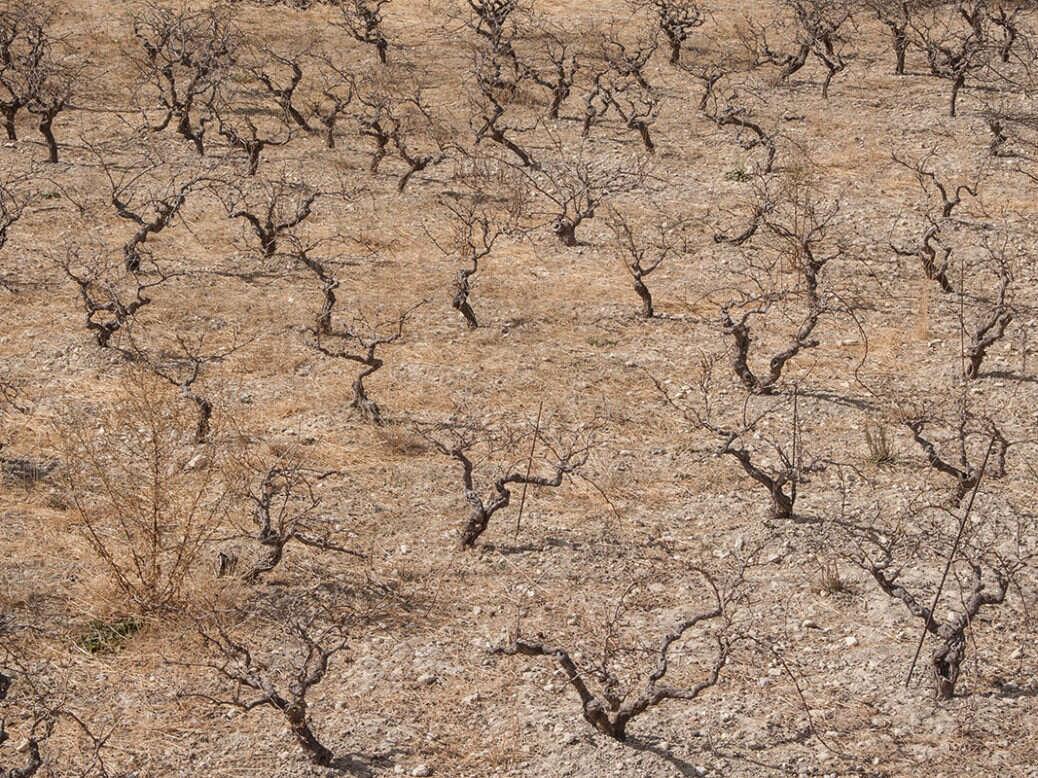
From drought in Australia to flooding in South America, a Super El Niño can only be bad news for winegrowers.
Scientists are warning that the latest El Niño event developing in the tropical Pacific could become one of the strongest on record. Ocean temperatures have risen rapidly in recent months, prompting forecasts of a potential "Super El Niño" later this year. If those predictions prove accurate, it could drive record global temperatures, intensify extreme weather and place further pressure on agriculture worldwide.
Across the wine industry, producers are already grappling with rising average temperatures, shifting growing seasons and increasingly frequent climate extremes. A powerful El Niño has the potential to amplify these existing challenges, affecting vineyards from South America to Australia and beyond.
Understanding El Niño
El Niño is a naturally occurring climate pattern caused by unusually warm sea surface temperatures in the central and eastern tropical Pacific Ocean. Although it originates thousands of miles from many of the world's wine regions, its influence extends across the globe, altering rainfall patterns, temperatures and the frequency of extreme weather.
Technically, El Niño is declared when sea surface temperatures in the eastern tropical Pacific rise at least 0.5°C above the long-term average. However, scientists estimate there is a 63% chance that temperatures could exceed 2°C later this year, according to the US National Weather Service's Climate Prediction Center. If this occurs, the event would be classified as a 'very strong' or 'Super El Niño'.
Heat and water stress
One of the greatest concerns surrounding a Super El Niño is the increased likelihood of prolonged heat and drought..jpg)
High temperatures accelerate grape ripening, resulting in earlier harvests, higher sugar accumulation and elevated alcohol levels. At the same time, acidity declines more rapidly, making it harder to preserve freshness and balance.
Extended heatwaves can also push vines beyond their physiological limits. Photosynthesis slows, berry development stalls, and grapes become more vulnerable to sunburn and dehydration. Water stress compounds these effects, particularly in regions already facing limited rainfall or restrictions on irrigation.
Australia, Chile, western North America and parts of southern Europe are among the regions that could experience particularly challenging growing conditions if drought intensifies.
For many producers, irrigation can provide a degree of protection. However, increasing competition for water from agriculture, urban populations and environmental needs means this solution is becoming less reliable and, in some regions, politically contentious.
Too much water can be equally damaging
While some vineyards may face drought, others could experience the opposite problem.
Heavy rainfall during the growing season increases disease pressure, particularly from fungal diseases such as downy mildew, powdery mildew and botrytis. Saturated soils can also delay vineyard operations, reduce fruit quality and complicate harvest logistics. Rain close to harvest may dilute flavours, encourage berry splitting and significantly increase the risk of rot, forcing growers into difficult decisions about when to pick.
The wine industry has already witnessed the consequences of a strong El Niño. In Argentina, the 2015–16 event contributed to the country's worst pre-harvest grape losses since 1957. National wine production fell by 27% compared with 2015, while Mendoza, the country's largest wine-producing region, saw production plunge by 39%. During April alone, around 400% more rain than usual fell over just 15 days, disrupting the harvest, delaying picking decisions and creating ideal conditions for botrytis, alongside widespread outbreaks of powdery and downy mildew.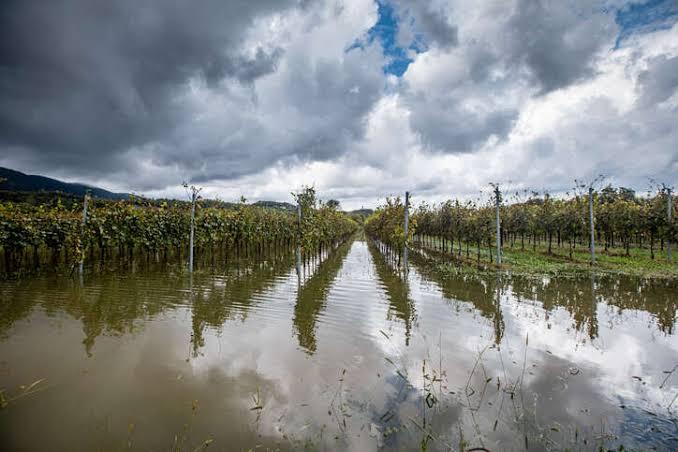
A more variable vintage
Vintage variation has always been part of fine wine's appeal. However, increasingly extreme weather is threatening the commercial viability of many vineyards.
Earlier budburst, driven by milder springs, leaves vines more vulnerable to damaging spring frosts if temperatures subsequently fall. Meanwhile, sudden heat spikes may cause grapes to reach sugar ripeness before phenolic maturity, forcing winemakers to choose between ripeness, balance and complexity.
For producers managing vineyards across different elevations, aspects or soil types, this adds another layer of complexity. Vineyard blocks that historically ripened weeks apart may now reach maturity almost simultaneously, placing significant pressure on labour, winery capacity and harvest logistics.
Global winners and losers
Although climate change is often discussed in broad terms, its effects remain highly regional. Some cooler wine regions may benefit from warmer conditions, achieving more consistent ripening and expanding the range of grape varieties that can be grown successfully. England is frequently cited as an example, with its sparkling wine industry flourishing in recent decades as growing seasons have become warmer.
However, a Super El Niño would not simply mean warmer weather. It represents greater climate volatility, increasing the likelihood of extreme conditions rather than gradual change. Sudden shifts in temperature or rainfall threaten not only annual yields but also the stylistic consistency on which many wine regions have built their reputations.
Building climate resilience
Many producers are already adapting. At Mount Majura Vineyard in Australia's Capital Territory, measures include trialling grape varieties better suited to heat and drought, using temperature and soil moisture sensors to improve irrigation efficiency, and maintaining cover crops to enhance soil health. The estate has also explored later-ripening varieties to spread harvest dates and relieve the pressure of increasingly compressed vintages.
A defining test
Warnings that global temperatures could rise even further come after an already exceptionally warm spring and summer. Western Europe recorded its hottest June on record, while several countries also experienced record-breaking temperatures.
Whether the developing El Niño ultimately reaches "Super" status remains to be seen.
Nevertheless, it highlights a broader reality confronting the wine industry. Climate variability is no longer an occasional challenge but an increasingly permanent feature of modern viticulture. For producers, long-term success will depend on building vineyards that are resilient enough to withstand a more uncertain and volatile climate.

Get expert insights, weekly highlights, and exclusive stories from the world's most trusted wine competition.