Piedmont's greatest strength - and weakness - is a wine culture built on complexity, hierarchy and tradition. Can it thrive in the 21st century, James Lawrence wonders?
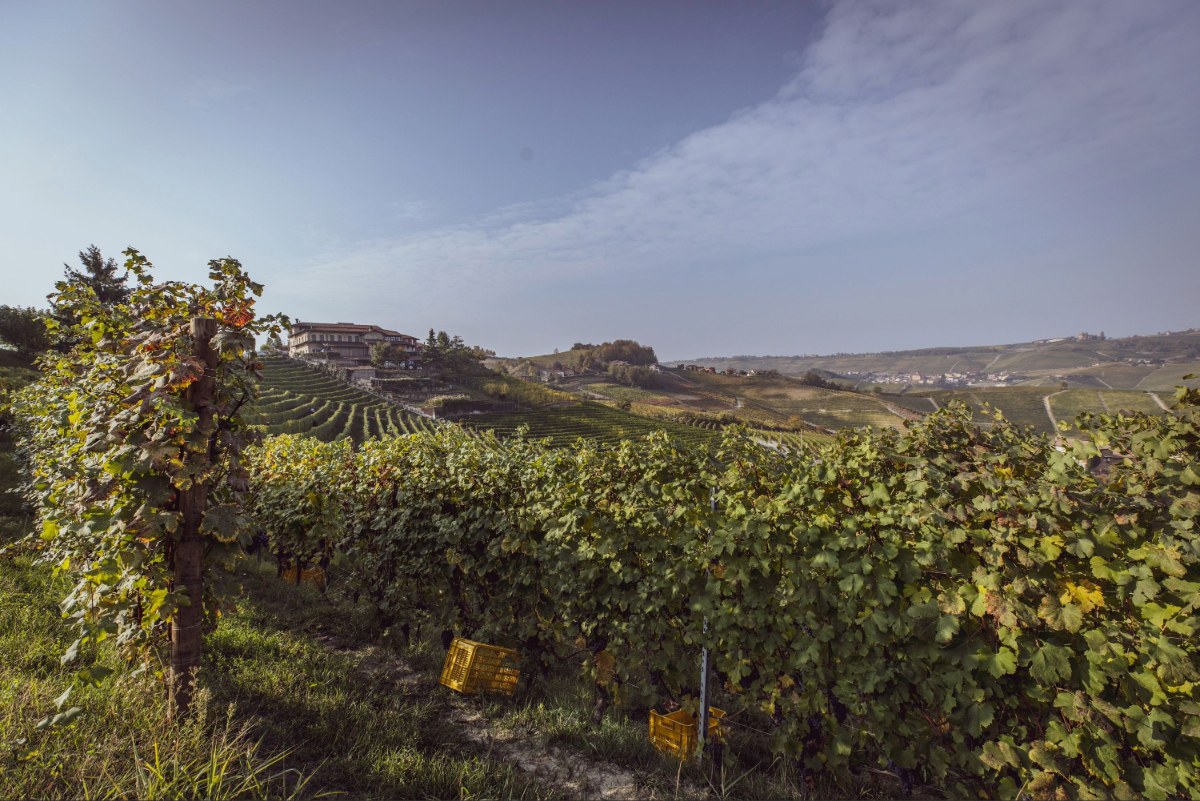
How do I usually describe Piedmont to wine newbies trying to get a handle on the region? Italy's answer to the Côte d'Or - and Côte Chalonnaise. Like their Burgundian counterparts, the region's top winegrowers are obsessed with their dirt. Carefully delineated single-vineyards in Barolo and Barbaresco are responsible for some of its most prestigious wines; yet, this is no one-trick pony, producing some very good white and decent sparkling too. It also confronts a similar headache: how to preserve the cachet of great, site-specific wines while adapting to a warmer climate and declining consumption. And, most importantly of all, the language surrounding Barolo in particular is becoming ever more detailed, yet potentially ever less accessible.
In recent times, Piedmont's leading appellation has invested considerable effort in explaining where its wines come from. In 2010, Barolo unveiled its Menzioni Geografiche Aggiuntive (MGA) system: a list of named vineyards and communes, partly based on the research of winemaker Renato Ratti.
So why is this controversial? The MGA system has given producers a much more granular geographical vocabulary, while helping to establish individual vineyard names as a shorthand for place. But several influential stakeholders have started to question whether increasing granularity is actually helping consumers to understand Piedmont - or simply reinforcing Barolo's image as a wine for specialists.
"The language of crus and MGAs has made Piedmont more complicated - sometimes far too complicated," says Achille Boroli of Boroli estate in Barolo.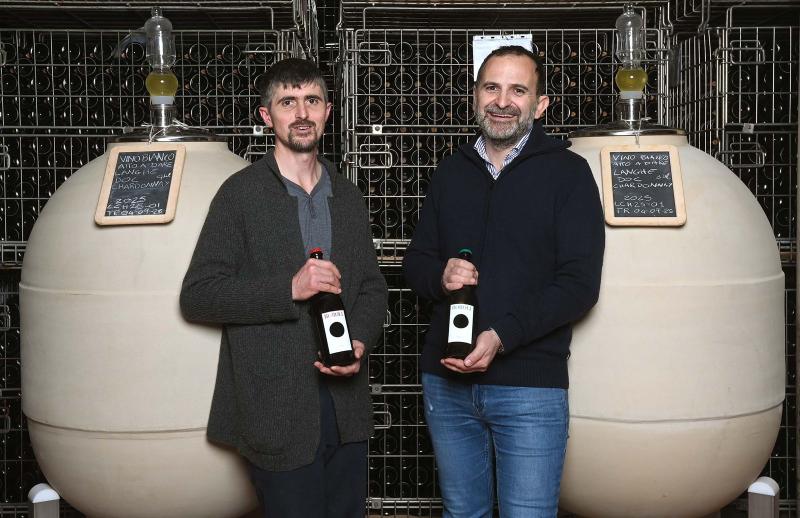
"The best-known vineyard names are already powerful reference points. They help build recognition and raise the profile of Barolo around the world." But in the long term, he believes "there is greater potential in communicating Barolo through its individual villages", as village-level wines can offer consumers a clearer way into the region, "helping them understand its different identities before exploring individual vineyards in greater depth."
Of course, this dilemma is not unique to Piedmont: how to communicate ever-greater precision without overwhelming consumers. Producers must somehow persuade drinkers that single-site wines justify a price premium while avoiding the curse of excessive complexity.
Federico Orione, head of sales and marketing at Bersano, agrees that for the broader public the subject remains complex. "Barolo is already a sophisticated appellation in itself, and appreciating the nuances of the MGAs requires time, experience and the right opportunities to learn," he says. Or perhaps a broader simplification is required.
"I believe consumers are already highly confused by the DOC and DOCG system, which has often been shaped more by politics than by what is genuinely understandable to the final consumer," opines Enrico Rivetto, owner of Azienda Agricola Rivetto. He is far from being alone.
Future shock
It is these twin themes of adaptation and diversification that continue to shape the debate over Piedmont's future in the 21st century. The pressures are both climatic and commercial; global wine consumption fell a further 2.7% in 2025, to an estimated 208 million hectolitres, according to the OIV. The pressure to retain existing consumers, while finding new ones, has therefore never been higher.
"If I could change one thing about the way Piedmont is governed, marketed or regulated over the next ten years, I would simplify the way the geographical origin of a wine is communicated on the label," says Rivetto.
"I would also reconsider the current subdivision of DOCs and DOCGs and introduce fewer rules for producers, perhaps maintaining minimum ageing requirements but allowing much greater freedom in the choices made by individual wineries." He also advocates investing more strongly in promoting the Piedmont brand as a whole, "within which consumers could discover the different expressions of the region, its wines and its local products."
Of course, climatic pressures and the practical responses - canopy management, shade trials, soil health, biodiversity and harvest timing - feature heavily in ongoing conversations. But the most repeated concern during interviews was how to market Piedmont's leading wines in the 21st century, and whether Barolo and Barbareso can remain aspirational without becoming intimidating to a new generation of drinkers. At the same time, appellation rules designed to protect identity are being questioned by producers who want more freedom to respond to increasing vintage variations.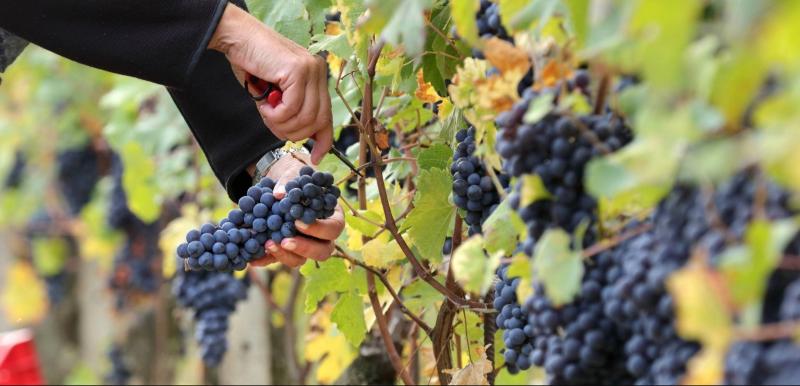
Boroli would like to see "greater flexibility in the required time wines spend in wood, depending on the vintage."
He adds: "It may sound idealistic, but if we truly want to adapt to climate change, we should be willing to discuss whether the same ageing requirements are always appropriate for very different growing seasons." At the same time, he worries that, too often, the language used to communicate Barolo and its wines "creates distance, particularly for younger generations, and makes people less inclined to open a bottle and enjoy it."
New roads to Rome
Meanwhile, most producers are broadly positive about a larger role for whites and sparkling wines, regarding diversification as one response to changing consumption patterns. Indeed, Piedmont's fine wine market remains relatively less liquid than Bordeaux, for example, and more accessible styles, including Arneis and traditional method fizz, offer ways into the region that do not require a substantial budget. The shift is already visible at producer level. In 2015, Gaja purchased 30 hectares in Trezzo Tinella, where the vineyards are largely planted to white varieties, benefiting from the cooler macroclimate. Between 2008 and 2024, Piedmont's acreage dedicated to white grapes increased by 14%, while red varieties fell by 16%, taking whites from 33% to 40% of total vineyard area.
"Consumption of sparkling and white wines is generally increasing, and I believe production of whites and sparkling wines in Piedmont will follow the same trend," agrees Rivetto.
"I expect to see more Blanc de Noirs, and I hope we will also see greater recognition and growth for the lesser-known indigenous grape varieties of Piedmont. They have an important role to play in the future of the region and in expanding the perception of what Piedmont can produce."
Yet Marco Parusso, owner of Parusso estate in Monforte d'Alba, is more wary, insisting that "the Nebbiolo grape must be preserved at all costs."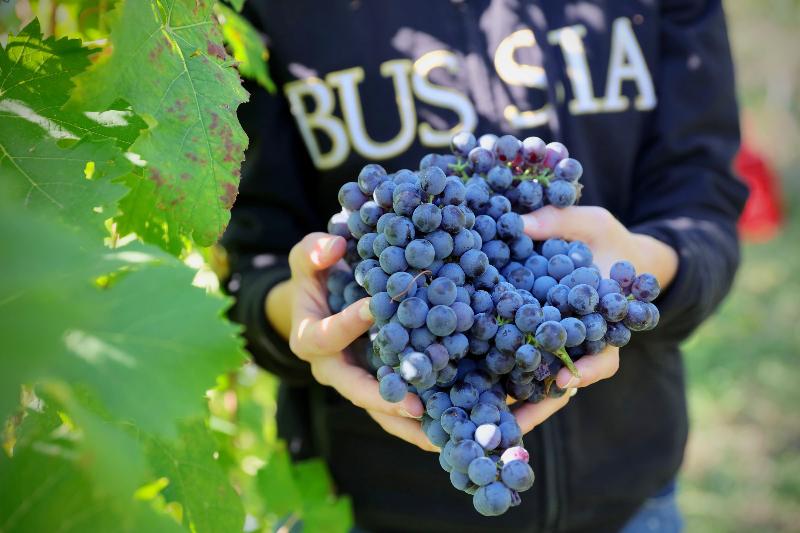
He continues: "It is a great ambassador for the Langhe, interpreted by many valuable producers. Nebbiolo expresses itself honestly through unique and noble wines, and that is what has earned it its reputation."
The mood in Piedmont today? Pensive, but also optimistic. The region possesses an extraordinary combination of wine, food, landscapes and rich culture – and that cultural capital has global appeal. According to Regione Piemonte, there were more than 6.73 million arrivals and 18.17 million overnight stays in 2025.
"Our biggest opportunity is the depth and diversity of what we already have: native grape varieties, distinctive landscapes, a strong food culture and wines with very different personalities and occasions of consumption," says Orione.
"Barolo and Barbaresco give us international visibility, while territories such as Monferrato offer enormous scope for further discovery."
One finds a strong collegiate atmosphere in Piedmont today, despite inevitable differences of style, philosophy and commercial priorities. "I believe we have a responsibility to contribute to the wider local community," notes Rivetto.
"We should create local plans to support local economies, schools, roads and essential services in small municipalities. This could create a virtuous circle in which other businesses, beyond the wine sector, also become involved in building a new future for the region. The wine industry can be a driver of this process, but the real opportunity is to create a stronger and more resilient local economy in which different sectors contribute to one another."
The hackneyed stereotype of Italians persists worldwide: verbose, chaotic, and gesticulating wildly at tourists sipping cappuccino at 9 pm. But in Northwest Italy, a thoughtful, progressive spirit, allied to sharp pragmatism, is increasingly evident: a willingness to question old certainties without discarding all that made the region great. Long live Piedmont.

Get expert insights, weekly highlights, and exclusive stories from the world's most trusted wine competition.