While outsiders remain fixated on geopolitics, Lebanon's winemakers are quietly getting on with the business of producing outstanding wines, says James Lawrence
Some winemakers contend with late spring frosts, unreliable pickers and a knackered tractor that invariably chooses harvest day to expire. Others risk their lives to bring you beautifully perfumed Carignan and improbably fresh rosé. Yet while Lebanese wine is often framed through the prism of geopolitical instability - "the miracle is not that they have flourished but that they exist at all in the chronic state of uncertainty in which they have to operate," notes Jancis Robinson MW - this isn't simply a story of survival. It is one of authenticity: a country producing about 10 million bottles annually, yet an extraordinary concentration of fine wine.
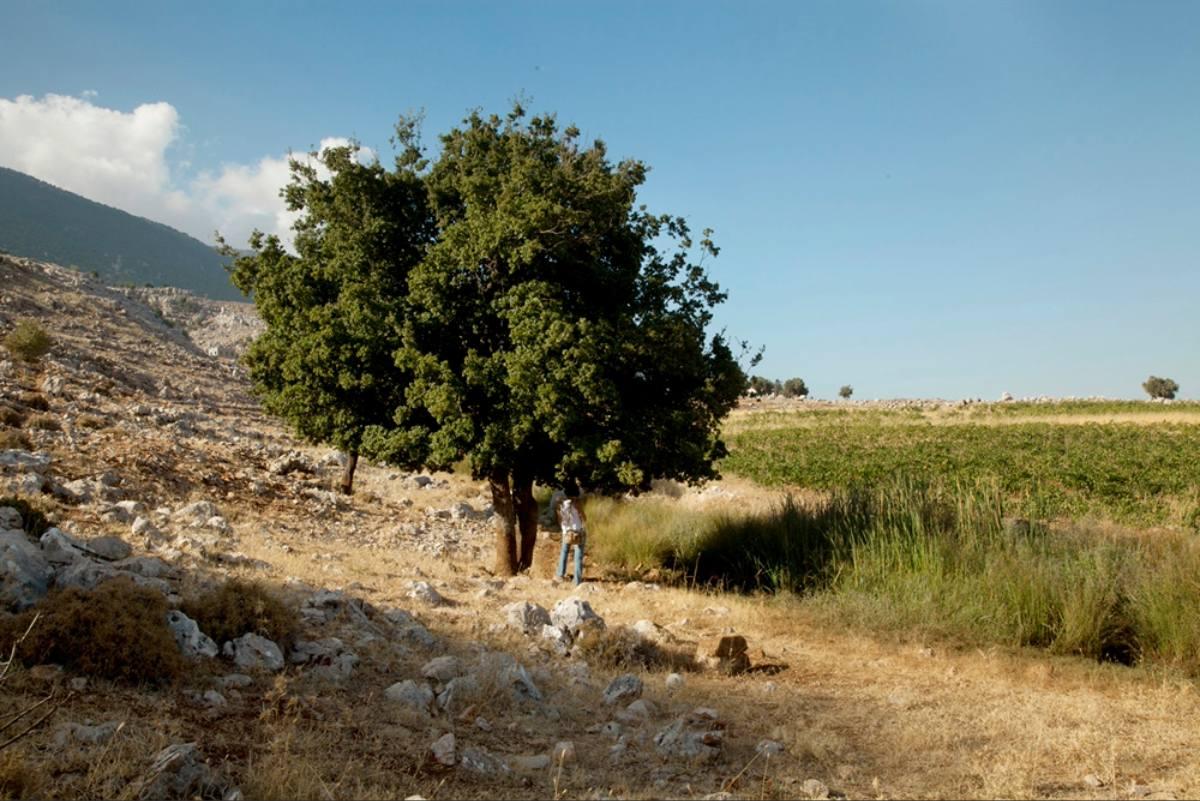
But I confess: I am chronically biased. Wet behind the ears as a fledgling wine writer, one of the first real celebrities I interviewed in 2010 was the late Serge Hochar of Château Musar. He was extremely kind to me and very patient; tasting older vintages of the white was an utterly spellbinding experience for a neophyte. He started my journey with Lebanese wine, giving me a fascinating history lesson that you've probably heard before. But briefly: viticulture predates the Romans by millennia, with the Phoenicians exporting wine across the Mediterranean in the first millennium BC, centuries before France had established the vineyards that dominate today's fine wine conversation. Modern Lebanese wine owes much to the Jesuit missionaries who replanted vineyards in the Bekaa Valley - the nation's key region - during the 19th century. The terroir, meanwhile, is spectacular.
According to Faouzi Issa, co-owner of Domaine des Tourelles: "The Bekaa Valley is a winemaker's dream. We have 300 days of sunshine, four distinct seasons, and dry, windy weather that means we have almost no disease pressure. But it's the altitude that really sets us apart - it gives our wines a freshness that makes them great to drink now, but with the structure to last for years."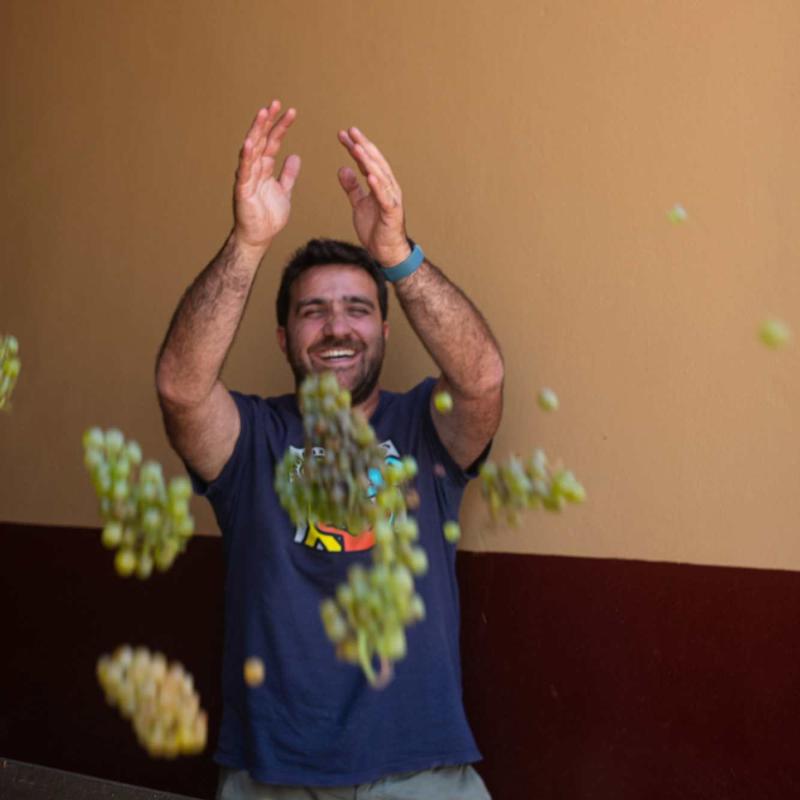
Today, although vineyards have been planted in the hills above Zahlé in the eastern Bekaa region and north towards Batroun, the southern valley remains Lebanon's viticultural heartland. Historically, investors were criticised for planting excessive amounts of Cabernet Sauvignon and Sauvignon Blanc – chasing globalism rather than expressing themselves. Yet winemakers are increasingly embracing what makes them different: a confidence that authenticity can be a commercial asset. Indeed, alongside classic Mediterranean and Bordeaux varieties – Grenache, Cinsault and Carignan remain the holy trinity of nineteenth-century Lebanese viticulture - producers are championing indigenous varieties such as Obeideh and Merwah.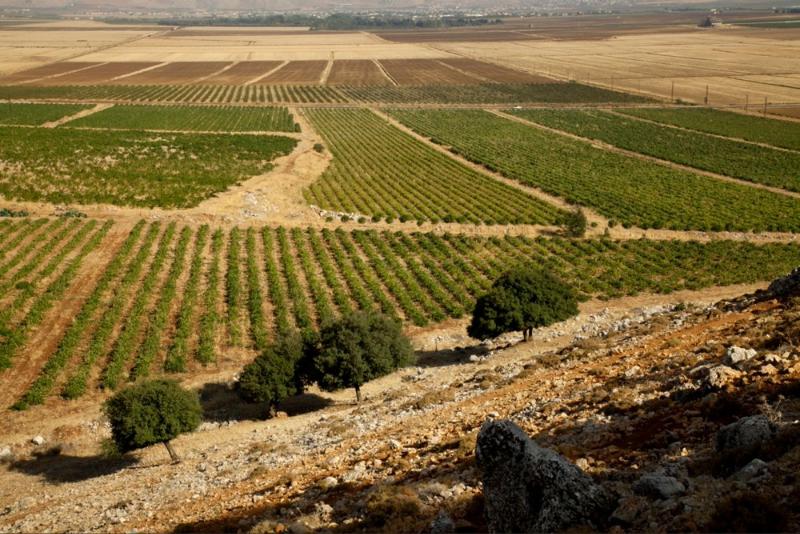
Donald Edwards, co-founder of Peckham Bazaar in London and an expert on the region, describes the country's most exciting development as "a newer generation's reinterpretation of the uniquely Lebanese dialogue between their indigenous varieties and the French traditions that run through their wines." He adds that the high-altitude viticulture practices in the Bekaa Valley "gives it a wonderful advantage with respect to climate change."
Issa agrees. "Our old vines really thrive in these conditions - they've adapted to the climate and the terroir over the years," he explains. "With the Vieilles Vignes series (Cinsault, Carignan, and a Merweh/Obeidi blend), I want the terroir to be the star. These wines show the true character of the grapes, with a Bekaa Valley stamp on them - that's exactly what I'm aiming for."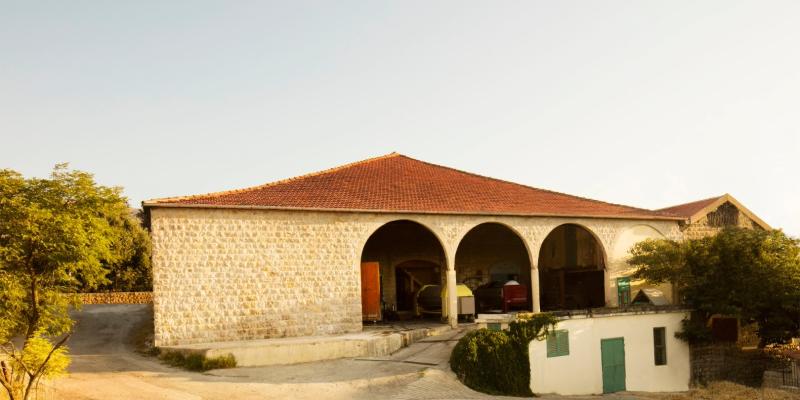
Moreover, he observes that due to the extremely low rainfall, most vineyards are, in practice, farmed with minimal chemical intervention.
Of course, the political and economic context remains precarious. Lebanon's financial crisis, soaring inflation, fragile infrastructure and periodic regional conflict make producing wine both expensive and unpredictable.
"The world is a very challenging place right now - not just Lebanon," says Issa.
"The economic and geopolitical climate has affected us in many ways: shipping, logistics, insurance, and all the crises Lebanon has faced and continues to face. But the Lebanese people are resilient - it's in our DNA. So we keep looking to the future with optimism, and we believe in it. We have every faith that we'll still be here in 50 years, making wine in this beautiful terroir and sharing it with people all over the world."
Meanwhile, Nicolas Angelina, global ambassador for Lebanon and North Macedonia for the IWC, observes that the challenges in recent years have had a paradoxical effect – "on one hand," he says, "there has been a surge in the number of vineyards and Lebanon now has more than 80 wineries at present."
He adds: "These have developed during a period of economic and geopolitical challenges. Some of the producers have focused on the story behind the wines and shown their resilience as their vineyards were destroyed by the war and impacted by missiles."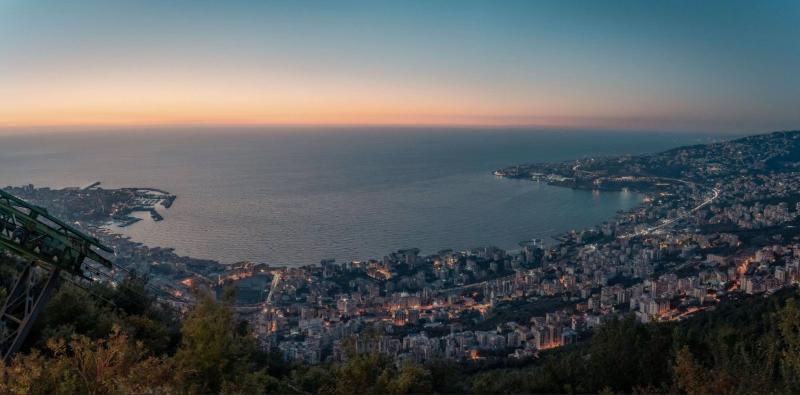
It must frustrate Lebanese winemakers that journalists – including this one – continue to reference political instability when they would much rather discuss old vines and fermentation in amphorae. So let's return to the wines. At their best, they combine Mediterranean generosity with mountain freshness, and a Lebanese panache that is entirely their own. They no longer deserve attention because they are made against the odds. They deserve attention because they are often excellent.

Get expert insights, weekly highlights, and exclusive stories from the world's most trusted wine competition.