
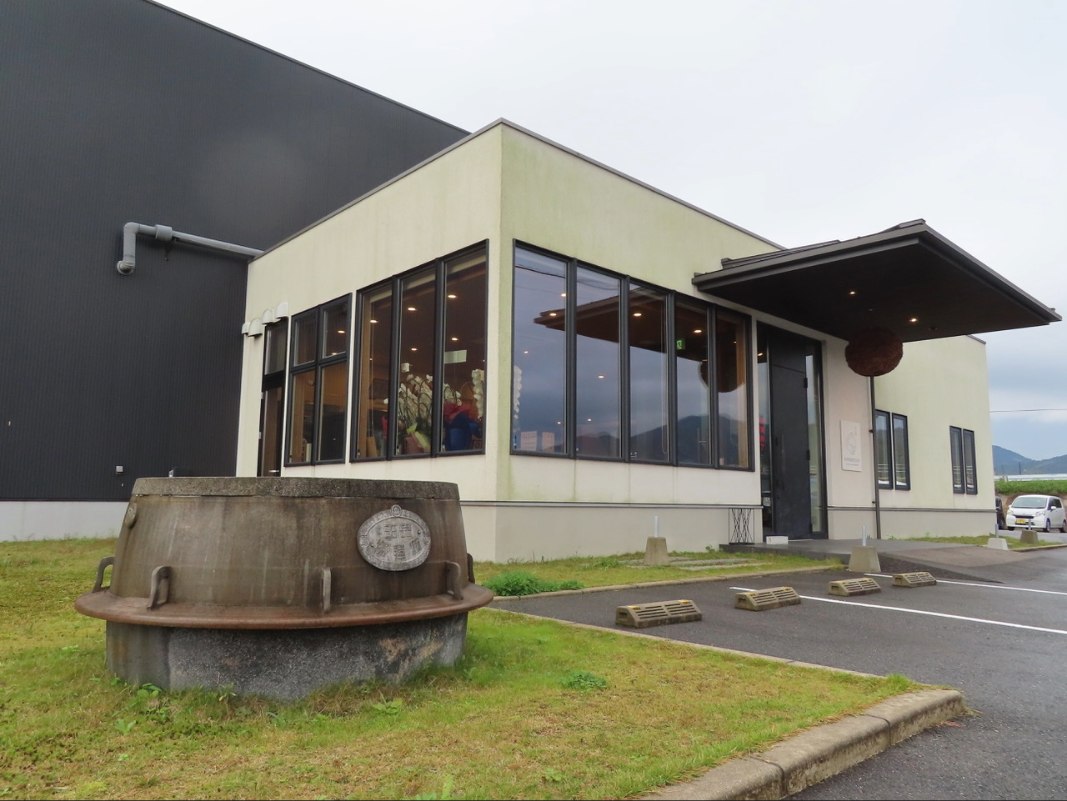
Despite its humble beginnings, Choshu Sake Brewery has emerged as one of Japan's leading producers of this enigmatic drink. Saki Kimura tells the story.
In 2026, Tenbi Junmai Ginjo Hotaten was named Champion Sake at the prestigious International Wine Challenge (IWC). The achievement was remarkable for Choshu Sake Brewery in Yamaguchi, Japan, which had been relaunched just seven years earlier in 2019. Neither its owner nor the team that would eventually take over brewing had any prior experience in sake production. How did they achieve such a result? I spoke with Susumu Okamoto, president of Choshu Sake Brewery, about their extraordinary journey.
A Brewery Given a Second Chance
In 2018, Choshu Industry Co., Ltd. - a Yamaguchi-based manufacturer of advanced energy equipment employing nearly 1,000 staff - acquired Kodama Sake Brewery in Kikugawa, Shimonoseki. Its president, Susumu Okamoto, had previously been a career civil servant at Japan's Ministry of Economy, Trade and Industry before taking over the family business.
Okamoto first visited Kikugawa while searching for an area with an abundant supply of clean water for a different business venture. The landscape and its natural resources immediately caught his attention.
"Kikugawa is a beautiful place, surrounded by mountains and rice fields," Okamoto explains. "It is a natural basin with an abundant supply of clean water, renowned for its five famous water sources. The brewery itself has a 150-year history, and the water has never run dry. I was struck by its quality and abundance - I felt it would be a real tragedy to let the brewery disappear."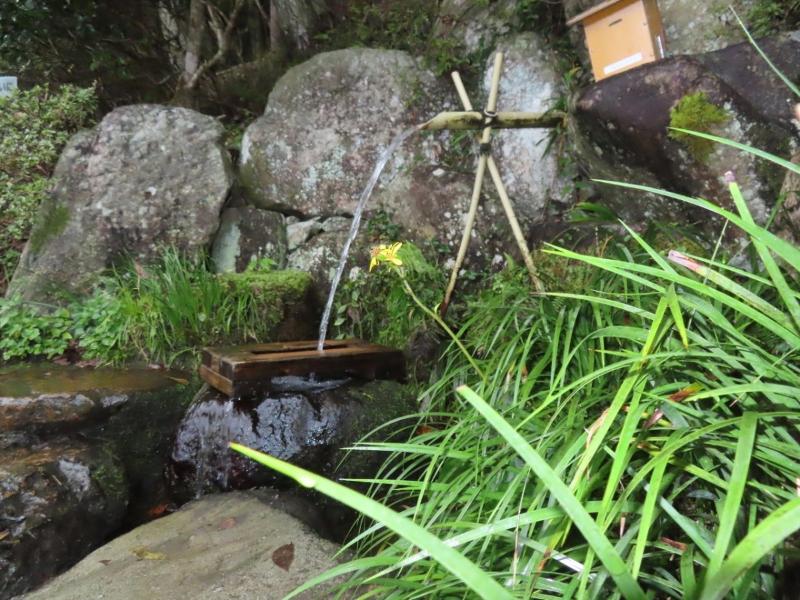
Although Yamaguchi has become one of Japan's most dynamic sake regions - home to internationally renowned names such as Dassai and Toyo Bijin - Shimonoseki had only two operational sake breweries at the time. Kodama's owner, then over 80, could no longer sustain the business.
Kodama's situation was far from unusual. The number of sake breweries across Japan has declined steadily for decades. Many family-run operations face the same crisis: aging owners with no successors to take the reins. Rather than see the historic site close, Okamoto set about finding a way for it to continue.
He also had a personal motivation. His time negotiating international agreements during his civil service years had instilled a passion for sharing Japanese food culture with the world.
"To be able to do that through my own business was fascinating," he says. "I felt truly honoured and fortunate to have the opportunity."
Learning to Brew from Scratch
As an industrial manufacturing firm, Choshu Industry possessed virtually no knowledge of sake production when it acquired the site. An experienced toji (master brewer) initially led the operation, but her departure in 2023 left behind a novice team without technical leadership. In sake brewing, the toji oversees the entire fermentation process - a role closely akin to that of a head winemaker.
Faced with the prospect of continuing production alone, Okamoto began with the only task he could immediately handle: deep cleaning.
"We were completely at a loss. I really didn't know where to begin, so I decided to clean," Okamoto admits. "Honestly, that was about all I could do. I went down to the brewery and started scrubbing the tanks, floors, and pipework. We also assembled the piping needed for production and got the main boiler running again. That was how we began."
Help soon arrived from across the close-knit Japanese sake industry. One of the first to step forward was Niizawa Sake Brewery in Miyagi Prefecture. Its president, Iwao Niizawa, had rebuilt his own operation from the ground up after it was devastated by the 2011 Great East Japan Earthquake.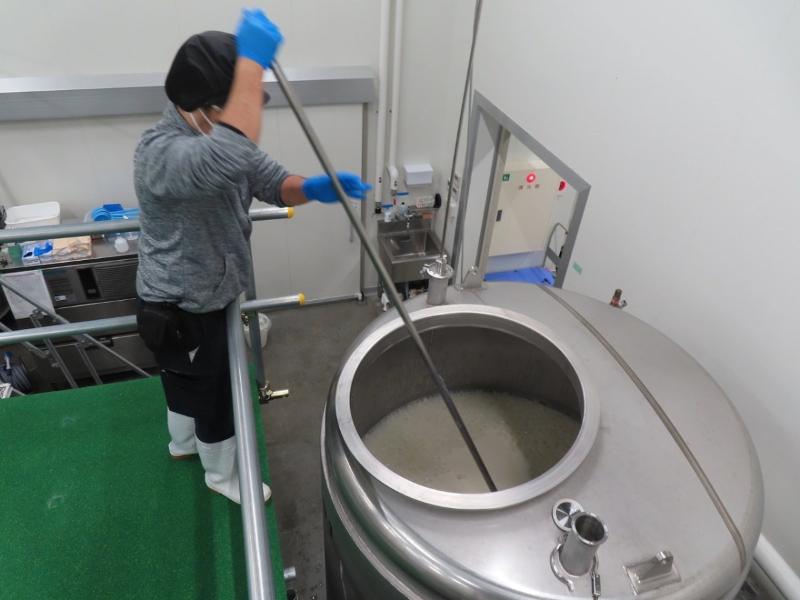
"He told us he wanted to support us at such a critical moment," Okamoto recalls. "When he arrived, he said, 'Let's start brewing today.' He brought two of his brewers with him and told me, 'I'm heading back tomorrow, but these two are staying.' I remember thinking: They're staying here?!"
Other producers, including Sumikawa Shuzojo (makers of Toyo Bijin), also offered hands-on assistance. In total, 13 breweries rallied around Choshu throughout that brewing season. Their guidance gave the novice team a crash course in production techniques and sensory evaluation.
Crucially, the visiting master brewers did not simply hand over a ready-made recipe. They taught core fundamentals and shared practical advice, but insisted that Choshu make its own decisions based on its local water, rice varieties, yeast strains, and koji (steamed rice cultivated with koji fungus, which converts starch into fermentable sugars).
"They didn't tell us to copy their methods," says Okamoto. "They wanted us to think for ourselves. That could be demanding, but it was essential if we were ever to stand on our own two feet."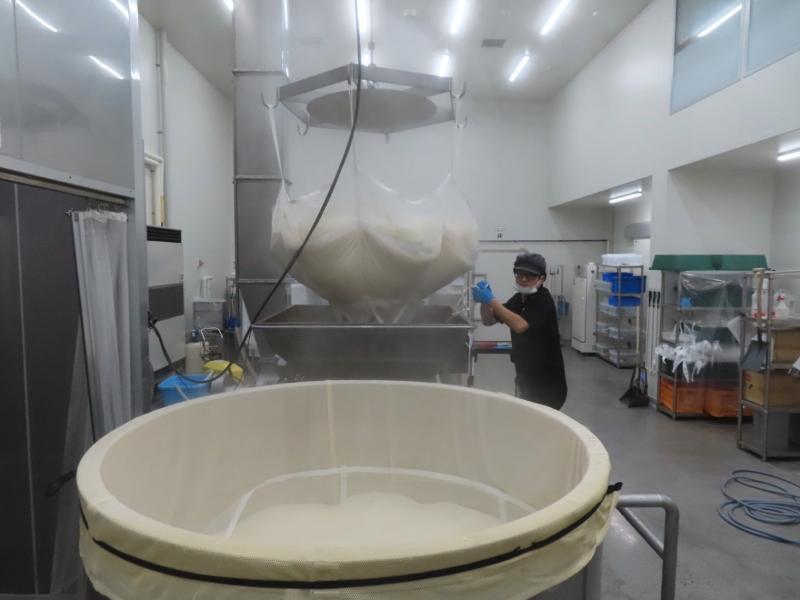
Over the following year, the brewery's new head of brewing took charge of adapting this advice and tailoring techniques specifically for Tenbi. As permanent brewery staff were hired, the original Choshu Industry personnel returned to the parent engineering company. Today, the head of brewing is the sole remaining member of the original transition team, leading a dedicated production crew of six.
From Local Festival Drink to World Champion
Drawing on his background in industrial engineering, the head of brewing led sweeping improvements to the facilities and quality control. One pivotal upgrade involved the brewery's water filtration.
Water makes up roughly 80% of finished sake and is used extensively throughout the process - from washing and soaking the rice to managing fermentation. Consistency is paramount. Although Kikugawa's well water was naturally superb, heavy rainfall could occasionally make it turbid, and the old filters struggled. The team installed an industrial-grade treatment tank from Choshu Industry to remove fine sediment and impurities before use.
"Coming from a manufacturing background, he arrived at that solution naturally," says Okamoto. "The water quality used in fermentation became completely consistent, and we saw an immediate leap in the finished product. When we entered the Yamaguchi Prefecture sake competition for the first time, we took home the top award."
After collecting further domestic accolades, the brewery entered the international stage. At the 2026 International Wine Challenge in London, Tenbi Junmai Ginjo Hotaten swept the competition to claim the ultimate title: Champion Sake.
Tenbi aims to produce sake with a pristine, elegant profile that showcases Kikugawa's soft water and locally harvested rice. They intentionally craft style profiles that appeal to beginners as well as seasoned enthusiasts.
"We want the natural umami of the rice to come through vividly, balanced by crisp acidity, freshness, and a clean finish," Okamoto explains. "We keep refining that profile so it remains refreshing and pairs beautifully with food."
The award-winning Hotaten expression was originally created for a local summer festival. It is brewed using Saito no Shizuku rice grown in nearby Toyota, Shimonoseki, alongside Yamada-Nishiki - Japan's most prized sake rice variety. Its name poetically evokes a night sky filled with fireflies.
"Kikugawa has pure water and is famous for its fireflies, so the town hosts a festival every summer," Okamoto says. "We wanted to brew a summer sake people could enjoy outdoors. We lowered the alcohol content slightly, gave it a brighter, fruit-forward aroma, and added a very gentle, subtle spritz. The deep blue label represents the sky at dusk."
While standard sake is typically bottled at 15-16% ABV, Hotaten is lighter at 13% ABV - making it particularly approachable for Western palates used to wine strength.
"We thought we were creating a niche product for a village event," Okamoto laughs. "Locals were thrilled, and now everyone is talking about it as a world champion. We've virtually sold out of stock and are having to apologize to customers desperate to buy a bottle!"
Built on Teamwork
For Okamoto, sustaining the brewery's quality comes down to collective spirit. Traditional sake brewing historically relied on a strict hierarchy beneath a single toji. Okamoto prefers a collaborative environment where every worker understands the broader goal.
"What matters most to us is harmony and teamwork," he says. "Great sake can only be made when everyone shares the same commitment. Whether you are washing rice or tending the koji, every stage requires seamless communication."
The IWC award has brought immense pride to the region, as well as to Choshu Industry's main workforce. Okamoto recalls being deeply touched when factory engineers expressed how proud they were of the sake division.
"I'm not used to people saying they're proud of me because of my work," he admits. "At first, I didn't quite know how to react!"
Following the win, Okamoto visited Yamanashi Meijo, the historic brewery behind Shichiken (which won Champion Sake the previous year), to meet its president, Tsushima Kitahara.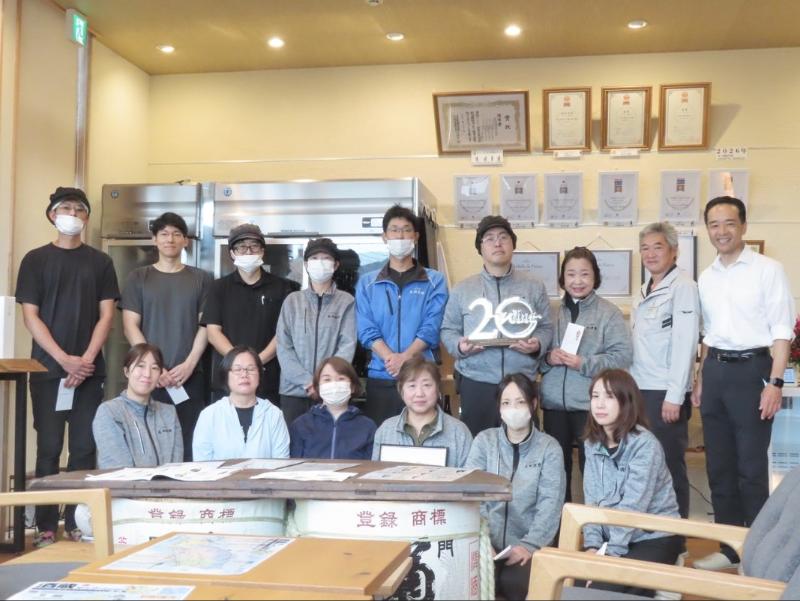
"I was awestruck by their 300-year heritage," Okamoto reflects. "It made me realize the sheer pedigree usually associated with this title. I felt the full weight of the IWC honour and wondered if we were truly worthy. We may be newcomers with a very different background, but I hope we can steadily build toward the standard Mr. Kitahara has set."
Looking ahead, Okamoto plans to deepen the brewery's roots in Kikugawa while expanding international exports to markets like the UK and Europe.
"First and foremost, we want to keep crafting honest sake rooted in our local community. Winning Champion Sake at the IWC is an incredible springboard. We see it as an invitation to share Kikugawa's heritage with a global audience - helping people everywhere experience a taste of real Japanese craftsmanship."

Get expert insights, weekly highlights, and exclusive stories from the world's most trusted wine competition.